Don't Let Condensation Ruin Your Garage!

Mario Salwan • December 29, 2022

One of the biggest threats to a garage is moisture. Garages typically are not climate-controlled, which means they see a lot of variation in both temperature and humidity levels. This makes it extremely easy for moisture in the local atmosphere to turn into condensation whenever it gets cold, coating everything in the garage and damaging anything vulnerable to water.


In worst-case situations, a garage that is constantly damp can easily pick up a mold or mildew infestation. Mold isn't just smelly; many types can be toxic or trigger allergies, making your garage very unpleasant to be in.


Fortunately, there are options for reducing or eliminating condensation in your garage. In this guide, we'll be looking at why and how condensation occurs, and various solutions for reducing condensation problems, such as installing better garage flooring.


I. The Causes of Garage Condensation

In general, condensation occurs whenever there's a relatively high amount of moisture in the atmosphere - humidity - which is then rapidly cooled. Cooler temperatures cause airborne moisture to form into droplets and precipitate onto nearby objects. So, you get a thin layer of water on exposed objects.


This can particularly be an issue in garages because there are a lot of naturally cold objects in a garage. Metal garage cabinetry, for example, doesn't hold onto heat. That's one of the reasons it's one of the first things to develop condensation when the temperature drops.


The same is true of your flooring, particularly if you have a bare concrete floor. Concrete is going to tend to be cold and attract moisture. Also, unfinished concrete is porous, meaning that it's easy for moisture to penetrate the concrete, or even be drawn up from the ground underneath.


This can cause a multitude of problems. For one thing, if the moisture carries any dissolved minerals in it, condensation will deposit those minerals on the concrete, potentially discoloring it or changing its chemical makeup. Also, if the concrete is full of moisture and temperatures drop below freezing, that can lead to cracks as the ice expands and breaks the floor.

There are also a few other more specific ways that moisture can end up in your garage, leading to condensation.


1. Water leaks

If your garage includes working plumbing, be sure to keep an eye out for leaks. They're often easy to overlook, especially since garages typically have a lot of different liquids in use. We recommend checking under your sinks, behind a fridge, etc, around once a month. If you see any water that shouldn't be there, start looking into whether any of your fixtures are leaking. 

If you garage is not heated, it might be a good idea to winterize any water spigots as they could freeze and develop cracks that will cause water leaks.


2. Property grading and drainage

If your property is flat, this isn't an issue. However, even minor elevation differences will cause water runoff to occur - and if your garage is at the bottom of the grade, it's going to receive a lot of that runoff. Aside from garage upgrades, you may want to consider adding features to your property to divert runoff, if it's heading for your garage.


3. High outdoor humidity levels

Unfortunately, if the Cleveland area is prone to high humidity, that's likely to make its way into your garage. It's difficult to overcome (although not impossible) and more something to be aware of since you'll be inherently prone to condensation.


4. Spring thaws

Probably the worst time for moisture in a garage is in the spring, as nearby ice and snow thaw. The sudden influx of water can easily make its way into a garage or its foundation. This, of course, will be worse if you have a runoff issue already since that means even more water flowing towards and into the garage.


II. Methods for Reducing Moisture and Condensation in Your Garage


1. Install better flooring

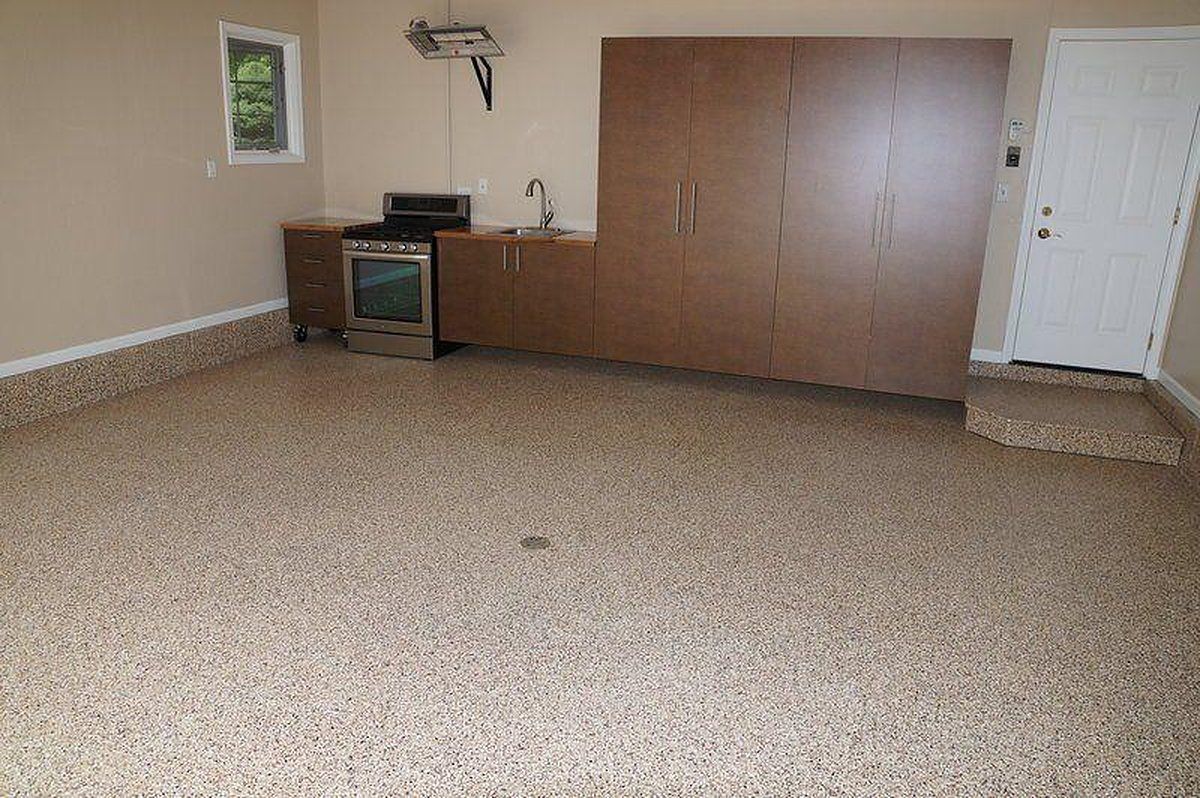
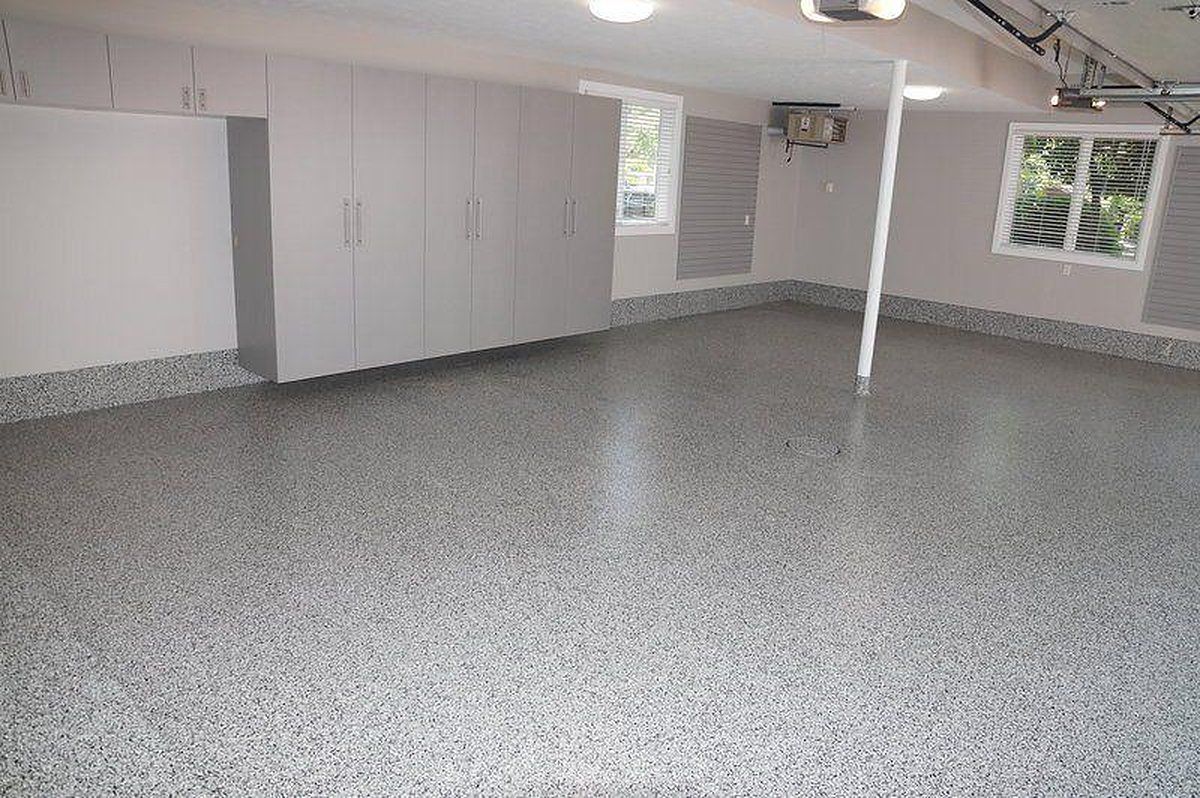
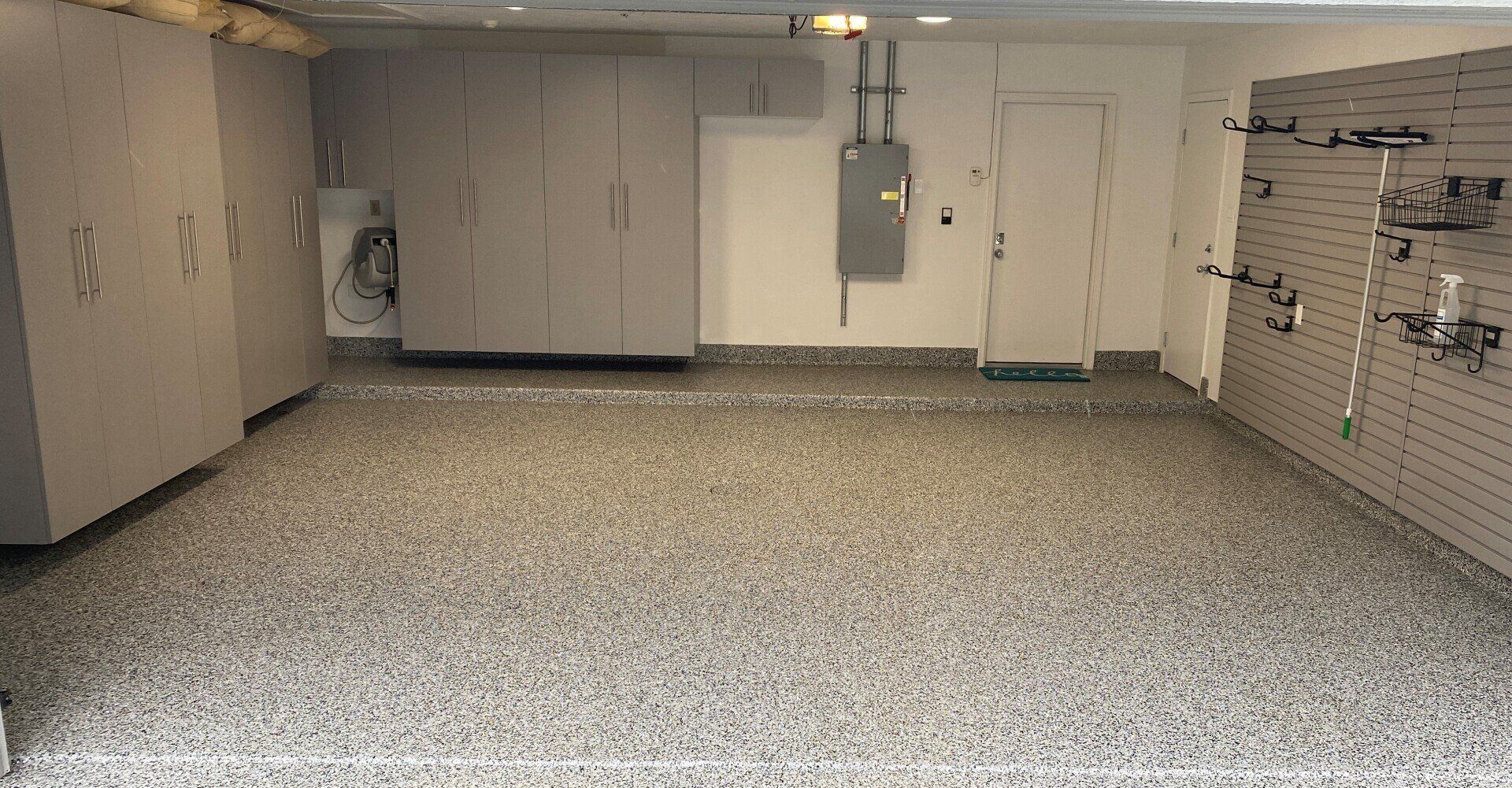
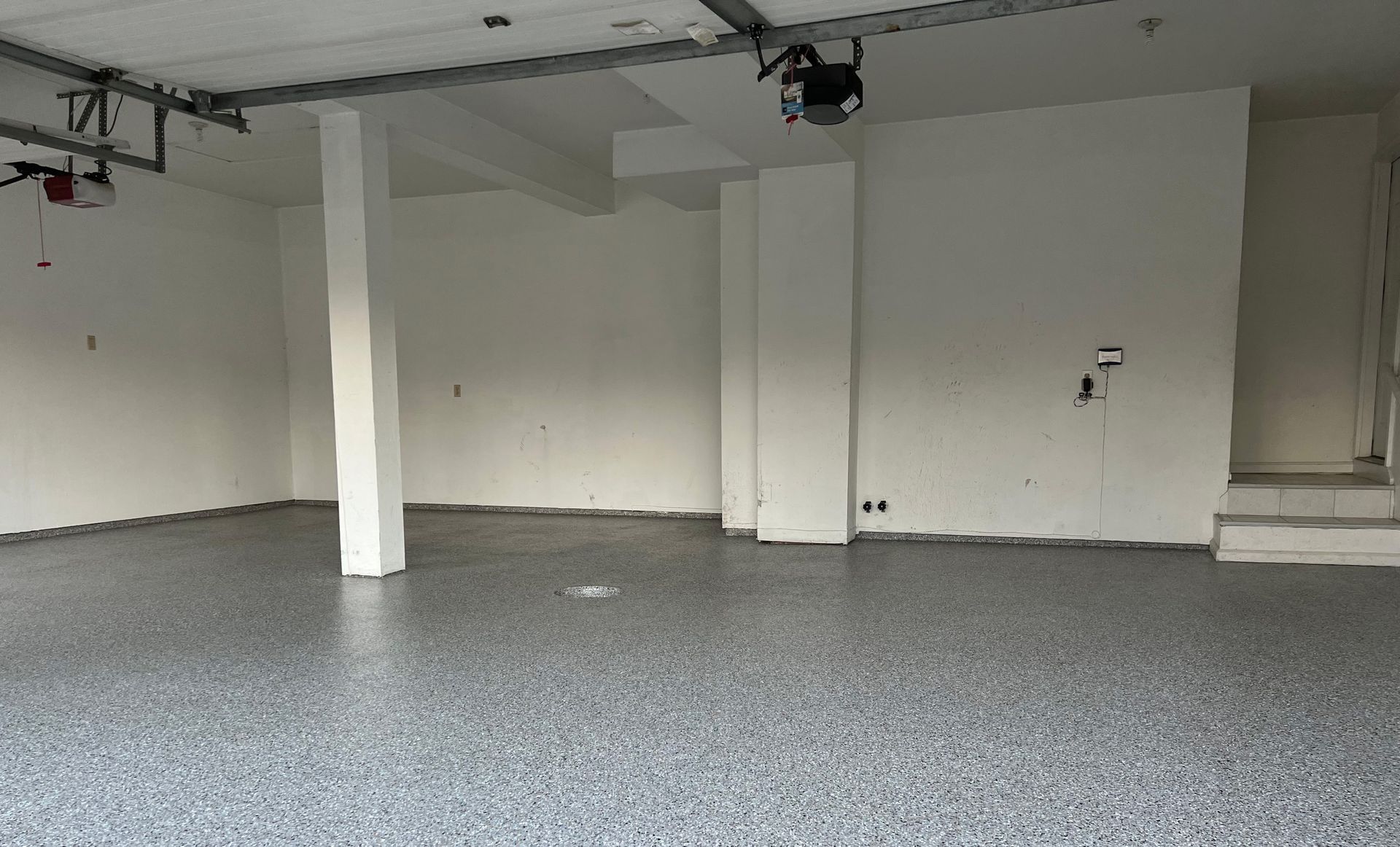
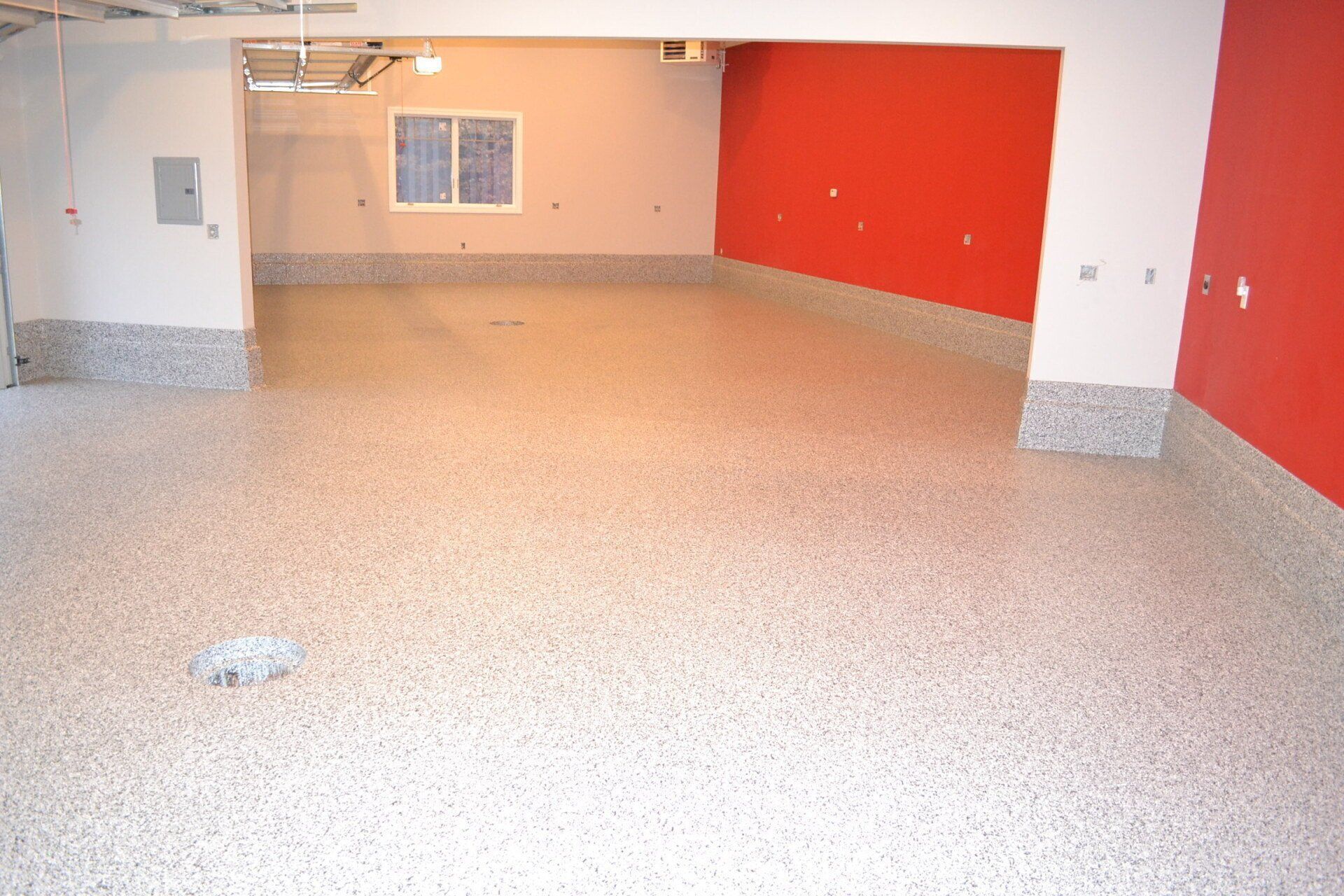
The best garage flooring systems can do a lot to reduce the moisture inside your garage. The most common solution is to take the existing concrete and coat it with a resinous material such as epoxy, urethane, or polyaspartic materials.

These coatings are super strong and stain-resistant, so they're a great overall upgrade to your floor in any case. More specifically on the topic, they will also eliminate any moisture making its way into your garage via the floor. When properly installed, these resinous coatings are completely water-tight, so no moisture gets in and out of the floor. It can also reduce the chances of cracking when the temperatures are freezing.


2. Install vapor barriers

Vapor barriers are simply sheets of plastic (typically polyethylene) that are applied to the interior face of stud frame walls and other areas where moisture could make its way in from the outdoors. These sheets are water-tight, so they prevent moisture from getting inside. Vapor barriers are inexpensive and easy to install, making them a good guard against unwanted moisture that can cause condensation.


However, the usefulness of vapor barriers largely depends on your local atmosphere. If you're in a hot dry area, like a desert region, they won't do any good because there isn't enough humidity for them to be needed. On the other hand, garages in rainy areas can benefit greatly from installing them.


3. Install better water barriers around the outside of the garage

If water runoff is an issue, the best solution is to prevent it from getting into your garage in the first place. Reworking your lawn/property grading with natural features that will act as barriers. Small, raised hills around the garage, for example, can redirect the water in less harmful directions.


4. Don't store wet cars or other items in the garage

Who wants to store a car outside when it’s raining or snowing? But we had to mention that if your garage floor is bare concreate, if it's raining or snowing out you're prone to humidity problems in your garage. Storing wet cars or cars full of snow inside your garage is only going to make that problem worse. The rain or snow on the car seep right into the bare concreate if your garage floor is not properly coated.


The same goes for any other soaked items. If it's wet and goes into the garage, the moisture is probably going to stay in the garage.


5. Have better ventilation or a Heater

A full climate control system is expensive, but there are cheaper ventilation options that can do an adequate job of moving moisture out of your garage. For example, simply installing a ventilation fan and exit vent can do a lot to pull air out of the garage and send it back outside. You'll also enjoy fresher air inside, thanks to the extra air circulation.


For larger garages, you may want to look into installing some ductwork, with fans pulling in air from multiple locations, keeping it moving around. Moving air is less prone to leaving condensation than still air. A garage heater is usually easily installed and can help reduce moisture.


6. Use a dehumidifier

For smaller garages, a portable dehumidifier can also do a lot of good. This is another option that can work well as an inexpensive alternative to full climate control. The nice thing about dehumidifiers is that you can choose the level of humidity you want, so they won't make the air bone dry.


As a rule of thumb, humidity up to 40% in a garage is OK and won't cause significant condensation. 30-40% humidity provides a pleasant atmosphere and still keeps your garage safe.


7. Use garage-friendly appliances

If you have or intend to have, a refrigerator or freezer stored in your garage, don't just use a random model from the store. There are appliances made specifically for garages, designed to limit moisture loss. Some include more advanced climate control functions as well, such as limiting the amount of heat generated by the fridge or freezer.


This isn't as necessary if you just have a little mini fridge for sodas or beers, but it's a must-have for larger units.


Garage Finisher Can Solve Your Condensation Problems in Cleveland


We're Ohio's most experienced choice for garage upgrades and improvements. From better moisture-resistant custom cabinetry to one of the best proprietary polyaspartic flooring systems on the market, we can take a good garage and make it great! We have years of experience and a long history of successful upgrades. Plus we stand behind our products with a Lifetime Unconditional Warranty.


If you have moisture issues in your garage, don't let the water keep eating away at your floor and causing moisture problems. Contact Garage Finisher to discuss your upgrade and renovation options!
garage floors
By Mario Salwan March 13, 2026
Are you trying to upgrade your garage? Read this blog to learn more about why garage floors matter more than you think for your home and how we can help.
By Mario Salwan March 13, 2026
The often-overlooked garage floor can significantly impact your home's value, usability, and aesthetics. Understanding the true importance of garage flooring can enhance your daily living environment and overall satisfaction with your home. This article delves into the surprising ways garage floors matter more than you might think. With the right flooring choice, you can transform your garage from a mere storage space to an integral part of your home. Explore how this often underutilized space can contribute to enhancing home value, usability, health, and style. Concrete Floors: Pros and Cons Concrete floors are the most traditional type of garage flooring and offer a variety of benefits. They are known for their durability and can withstand heavy loads, which makes them suitable for vehicles and storage. However, they can be prone to cracking over time if not properly maintained. Additionally, concrete floors can be cold and uninviting, which might not suit every homeowner's aesthetic preference. Despite these drawbacks, they remain a popular choice due to their affordability and resilience. One major advantage of concrete flooring is its low maintenance requirements. A simple cleaning routine can keep the floor looking good and prevent major issues. However, to improve their lifespan, applying sealants can help protect concrete floors from moisture infiltration, oil spills, and stains. Many homeowners also choose to paint or apply epoxy coatings to their concrete floors to enhance durability and improve the floor's appearance. These enhancements make concrete an even more attractive option for homeowners looking to upgrade their garage floors. According to Cognitive Market Research, out of the $39.9 billion global market revenue in 2025, North America market held 34.84% of the market share. This statistic underscores the region's investment in home improvements, including enhancements such as garage flooring. The Evolution of Garage Flooring Materials Garage flooring materials have evolved significantly over the years. Besides traditional concrete, homeowners now have the option to choose from a variety of materials, including interlocking tiles, epoxy coatings, and rubber flooring. These alternatives not only offer improved functionality and performance but also provide diverse aesthetic options to suit personal tastes. Modern materials can better resist stains, impact, and moisture, making them a practical choice for today's homeowners. The evolution of these materials marks the growing importance of garage spaces in residential living. Interlocking tiles offer a simple and customizable installation process. They come in various colors and patterns, allowing homeowners to create unique designs. Moreover, they provide a softer and more comfortable surface compared to traditional concrete, reducing strain on feet and making garage spaces more user-friendly. Epoxy coatings have also gained popularity due to their glossy finish and durable surface, which resists many common garage hazards. Rubber flooring, known for its resilience and shock absorption, is another versatile choice, especially appealing for its eco-friendly options. Common Garage Floor Types The options for garage flooring have expanded over the years, providing homeowners with a range of choices to meet different needs and preferences. Concrete floors remain a staple due to their durability and low cost. However, epoxy-coated garage floors have gained popularity due to their clean, polished appearance and the ability to resist stains and damage. Interlocking tiles also offer another appealing option, known for ease of installation and design versatility, allowing homeowners to add a personal touch to their garage spaces. Additionally, rubber flooring presents an eco-friendly, noise-reducing alternative, perfect for garages that double as workout spaces or workshops. Each type of garage flooring has its own set of advantages. Epoxy coatings are favored for their durability and effortless cleaning. Meanwhile, concrete garage floors provide easy installation and can be repaired if damaged, eliminating the need for entire floor replacements. With this range of options, homeowners can select a flooring type perfectly suited to their functional needs and aesthetic desires. Initial Installation Considerations When deciding on garage flooring, initial installation considerations can make a significant difference in long-term performance and satisfaction. The choice of material impacts not only the ease of installation but also the durability and cost-effectiveness over time. For instance, while concrete is straightforward to install, it may require repair and maintenance to prevent cracking. Epoxy flooring, although more demanding in the preparation stage, provides a seamless and durable finish. The initial investment in the right installation process and materials can save homeowners considerable time and expense down the road. Professional installation offers benefits that DIY approaches may not, such as ensuring a smoother application and adhering to the manufacturer's specifications. Engaging professionals might involve higher upfront costs, but it frequently results in a long-lasting, high-quality finish. Conversely, DIY installations can be budget-friendly but may compromise the flooring's resilience and aesthetic appeal if not executed correctly. Additionally, professional installers often offer warranties, providing peace of mind against potential issues. Thus, weighing the pros and cons of professional versus DIY installations is crucial in the planning process. Long-term Durability and Maintenance Durability and maintenance are key factors to consider when selecting a garage floor. High-performance materials like epoxy and rubber offer superior durability compared to traditional concrete, reducing the need for frequent repairs. Regular cleaning and inspections can help preserve the look and extend the lifespan of any type of garage flooring. Coatings like sealants or epoxies can enhance resistance to chemicals, moisture, and wear, further reducing maintenance needs. Maintenance requirements vary by material, and choosing a low-maintenance floor can significantly improve the garage experience. For example, epoxy floors are easy to clean and maintain their glossy appearance with minimal effort. Interlocking tiles can be individually replaced if damaged, saving on replacement costs. Rubber flooring often requires only basic cleaning to keep it looking new. Understanding these requirements is crucial to making informed decisions about garage floor management that align with the homeowner's lifestyle and expectations. Ultimately, the right choice for garage floors can elevate both the function and appeal of your home. By weighing materials, installation methods, and maintenance needs, homeowners can create a space that is durable, attractive, and practical. Investing in quality garage flooring today can deliver long-term value, comfort, and everyday satisfaction. Discover the Forever Floor difference. Get started today with Garage Finisher!
garage floor coating
By Mario Salwan March 6, 2026
Thinking about garage floor coating? Read this blog to learn more about the top three signs you need a new garage floor coating for your garage. Call us today!
By Mario Salwan January 29, 2026
If your garage floor is pitted, stained, dusty, or cracked, a garage floor coating installation can feel like the reset button. Garage Finisher makes the process simple: clear communication, clean prep, and a finished floor you’ll actually enjoy walking on. Your First Step Is A Quick, Practical Walkthrough Garage Finisher starts by looking at how you use the garage and what’s happening to the concrete, salt stains, cracks, peeling coatings, or moisture that keeps coming back, so your garage floor coating installation fits the way you actually live. This is where you’ll talk through color, texture, traction, and what “easy maintenance” really means for your household. Garage Finisher also sets expectations upfront, because in Cleveland and across Ohio, the floor has to handle freeze-thaw cycles, road salt, and hot tires. When you know what’s normal during the process, the whole project feels a lot less disruptive. What Happens First In A Garage Floor Coating Installation Garage Finisher begins with prep because coatings don’t bond to dust, oil, or weak concrete. The floor gets cleaned, then mechanically prepped so the coating can penetrate instead of sitting on top like paint, this is the step that makes a garage floor coating installation last. Garage Finisher treats this step like the foundation of the entire job, since rushed prep is where most failures start. If you want the “why” in plain terms, the right concrete surface profile for strong coating adhesion explains what quality prep is really doing beneath the finish. Dust Control And Safety Aren’t “Optional”, They’re Part Of Doing It Right  Garage Finisher uses professional equipment to manage dust during grinding and surface prep, because concrete work can kick up fine particles you don’t want floating through the house during a garage floor coating installation. Good crews contain the workspace, protect nearby areas, and keep the job site clean as they go. Garage Finisher also stays mindful of safety realities tied to concrete prep, especially during grinding. It’s worth reviewing how silica dust can be created during concrete work and why controlling it matters before any project starts. Repairs And Detail Work Are What Make The Floor Look “Finished” Garage Finisher handles cracks, pitting, and rough spots before any coating goes down, because those flaws don’t magically disappear under a glossy finish. This is also where edges, corners, and control joints get the attention that separates a quick job from a clean-looking garage floor coating installation. The goal is a smooth, uniform surface that looks intentional, not like a cover-up. Coating Day Is A Process, Not A Single Coat Garage Finisher applies the system in stages so each layer has a job, penetrating, building strength, adding design, and sealing everything in. When the coating is built in the system instead of a one-and-done layer, it holds up better to salt, moisture, and daily traffic. Garage Finisher’s Forever Floor approach is designed for real garages, not showroom floors. If you’re scheduling around work, kids, or parking, this is the point where Garage Finisher can tell you when you can walk on it, when you can move items back, and when it’s ready for vehicles. Cure Time And The “First Week” Rules That Protect Your New Floor Garage Finisher will give you simple do’s and don’ts for the first few days and how to easily clean your new floor forever. The biggest thing is planning your parking and heavy moving so the floor has the best chance to lock in that smooth, sealed surface. If you’re thinking about a garage floor coating installation and want a clear plan for timing, prep, and what your garage will look like at each stage, Garage Finisher can walk you through it before the first tool comes out. If you have additional questions you’d like to ask our team about garage floor coating installation, contact Garage Finisher , to transform your garage by the time the next Ohio winter shows up.
By Mario Salwan January 29, 2026
If you’re frustrated with your pitted, dusty, and stained garage floor, you’ve probably Googled a nature stone alternative and wondered what actually holds up in real life. Garage Finisher talks with Cleveland-area homeowners every week who want something tough, clean-looking, and low-maintenance. When “Pretty” Flooring Doesn’t Match Real Garage Life A garage floor gets hammered by road salt, hot tires, water, grit, and whatever spills during weekend projects, so Garage Finisher always starts with how you use the space, not just how you want it to look. Some systems look great at first, but if they’re porous or rely on weak bonding, they can start breaking down fast in Ohio’s freeze-thaw cycles, especially if you chose them simply because they looked like a nature stone alternative. Garage Finisher recommends thinking past the first impression and focusing on what happens after the first winter. If a surface traps moisture, stains easily, is slippery or is hard to clean, you’ll feel that pain every time you pull in, sweep, or try to keep the space safe & presentable. Moisture And Porosity Are The Deal-Breakers Most Homeowners Miss Before picking any coating or decorative surface, Garage Finisher wants homeowners to consider the concrete underneath. Concrete naturally holds moisture, and garages see extra water from snow melt and humid summer air, so if a floor system can’t handle moisture movement, it can bubble, discolor, or loosen over time, no matter which nature stone alternative you’re leaning toward. Choosing A Nature Stone Alternative That Won’t Turn Into A Maintenance Project A true nature stone alternative should give you the textured, high-end look you like without constant maintenance. Garage Finisher sees homeowners get disappointed when a “stone-style” surface holds onto grime, absorbs spills, or needs constant re-sealing to look decent. Garage Finisher’s rule of thumb is simple: if it’s hard to rinse clean, it’s not a good solution. Homeowners who want a garage they can actually use for a gym, workshop, storage, or hangout space, usually do best with a seamless, non-porous surface that rinses clean without drama. Compare Long-Term Wear, Not Just The First-Year Finish It helps to separate “surface looks” from “surface durability,” and Garage Finisher encourages homeowners to ask what protects the floor when the novelty wears off. Some options can chip under impact, while others resist abrasion but still show stains or dull quickly in high-traffic paths. Installation Quality Matters As Much As The Material Homeowners can buy a “good product” and still end up with a bad floor if the prep work is rushed. Garage Finisher focuses heavily on proper surface preparation because that’s what controls bonding, smoothness, and how well the finish stands up to Cleveland weather, car traffic, and chemical exposure. If you’re evaluating any nature stone alternative, Garage Finisher suggests asking direct questions about maintenance, not just color choices. A floor that’s installed correctly should feel solid underfoot, clean up easily, and keep its look without constant touch-ups. The Best Choice Is The One That Matches Your Goals And Your Garage Some homeowners want maximum grip, others want the easiest cleanup possible, and plenty want both, so Garage Finisher frames the decision around your priorities: appearance, traction, stain resistance, durability and how much time you want to spend maintaining it. If you’re torn between a few options, Garage Finisher can walk through what a nature stone alternative will look like after salt, slush, and summer humidity, so you can choose with confidence. If you’re considering a nature stone alternative and want a straight answer on what will hold up in the Cleveland weather, Garage Finisher is here to help. If you have additional questions you’d like to ask our team about the nature stone alternative, contact Garage Finisher , and make sure the floor you choose is one you’ll still love after the next winter.
Polyaspartic Flooring
By Mario Salwan December 24, 2025
See how polyaspartic flooring cures fast, resists Ohio winters, and outlasts epoxy, installed by Garage Finisher’s 5-layer Forever Floor system. Recommended image alt text: “Cleveland garage with polyaspartic flooring by Garage Finisher.
Garage Epoxy
By Mario Salwan December 17, 2025
Thinking about Garage Epoxy in Cleveland? Learn why many pick polyaspartic instead—and why Garage Finisher’s polyaspartic Forever Floor outlasts epoxy.
Garage Resurfacing
By Mario Salwan November 24, 2025
garage resurfacing that stands up to freeze–thaw cycles, road salt, moisture, and hot tires without constant upkeep.
natural stone alternatives
By Mario Salwan November 17, 2025
Among natural stone alternatives, polyaspartic coating systems stand out for durability and fast cure
Polyaspartic Flooring
By Mario Salwan October 27, 2025
Polyaspartic flooring is built for real life—hot tires, salty Cleveland winters, rolling tool chests, and weekend projects.