Garage Floor Coating Cleveland: Questions to Ask Contractors
Every week, we get a call from a Cleveland homeowner who hired the lowest-bid coater two or three years ago and is now staring at a floor that looks like it was finished with peeling stickers. Sometimes the contractor never came back. Sometimes the warranty turned out to be eighty days, not eighty years. The frustrating part — almost every one of these jobs could have been avoided with a short conversation up front. Before you sign anything for a garage floor coating in Cleveland, take ten minutes to ask the questions below; if a contractor cannot answer them clearly, our Forever Floor team can.
The point is not to be combative. The point is to find out, before you write a check, whether the company you are hiring is selling a one-day job or a lifetime system.
The Technical Edge: Questions That Separate Pros From Painters
1. How are you prepping the concrete — diamond grinding, shot blasting, or acid etching? There is only one correct answer for a Cleveland slab, and that is mechanical profiling with industrial diamond grinders (shot blasting is acceptable for very large commercial floors). Acid etching is a homeowner trick that does not generate the surface profile a real coating needs to bond. If the bid sheet says "acid wash" or "deep clean," you are buying paint, not a floor.
2. What exactly is in your coating system, and what is the wear layer? You want a multi-coat system — primer, body coat, top coat — not a single-coat application. The top coat should be polyaspartic, not epoxy. Polyaspartic is UV-stable, hot-tire resistant, and stays flexible in cold weather, which is why we built "Mick's Mixed" around it.
3. Who actually does the install, and how long have they done this? The bid price means very little if the crew swinging the grinder learned the trade last month. Ask whether the company uses W-2 employees or day-labor subs, and how many Cleveland garages the lead installer has personally completed.
The Lifestyle Benefit: Questions About What You Actually Live With
4. What is the realistic timeline — from grinding to driving on it? A reputable garage floor coating Cleveland installer should be able to tell you the day-by-day schedule before they start. For a typical two-car garage: grind and prep day one, coat day one or two, walk on it that evening, drive on it in 48 to 72 hours. Anyone promising "drive on it tonight" is either using a thinner system than they advertised or rushing your cure.
5. What does the warranty actually cover, and is it transferable? Read the warranty before you sign, not after the peel. A real lifetime warranty should cover delamination, hot tire pickup, and UV yellowing — and it should transfer to the next homeowner if you sell. A "lifetime warranty" that excludes the three most common failure modes is a marketing badge, not a guarantee. Take a look at what our past clients have actually experienced before you compare warranty language.
Ohio-Specific Considerations: Questions Most Contractors Cannot Answer
Cleveland concrete has its own personality, and the contractors who specialize here can talk about it without flinching.
6. How do you handle moisture vapor transmission in a Northeast Ohio slab? Roughly two-thirds of the garages we evaluate in Cleveland have measurable moisture vapor coming up through the slab — a result of poor vapor barriers from older construction, plus the freeze-thaw cycling we see from November through March. A pro will perform a calcium chloride test or use a relative humidity probe before quoting. If they shrug at this question, they are about to trap moisture under your new coating and watch it bubble out by spring.
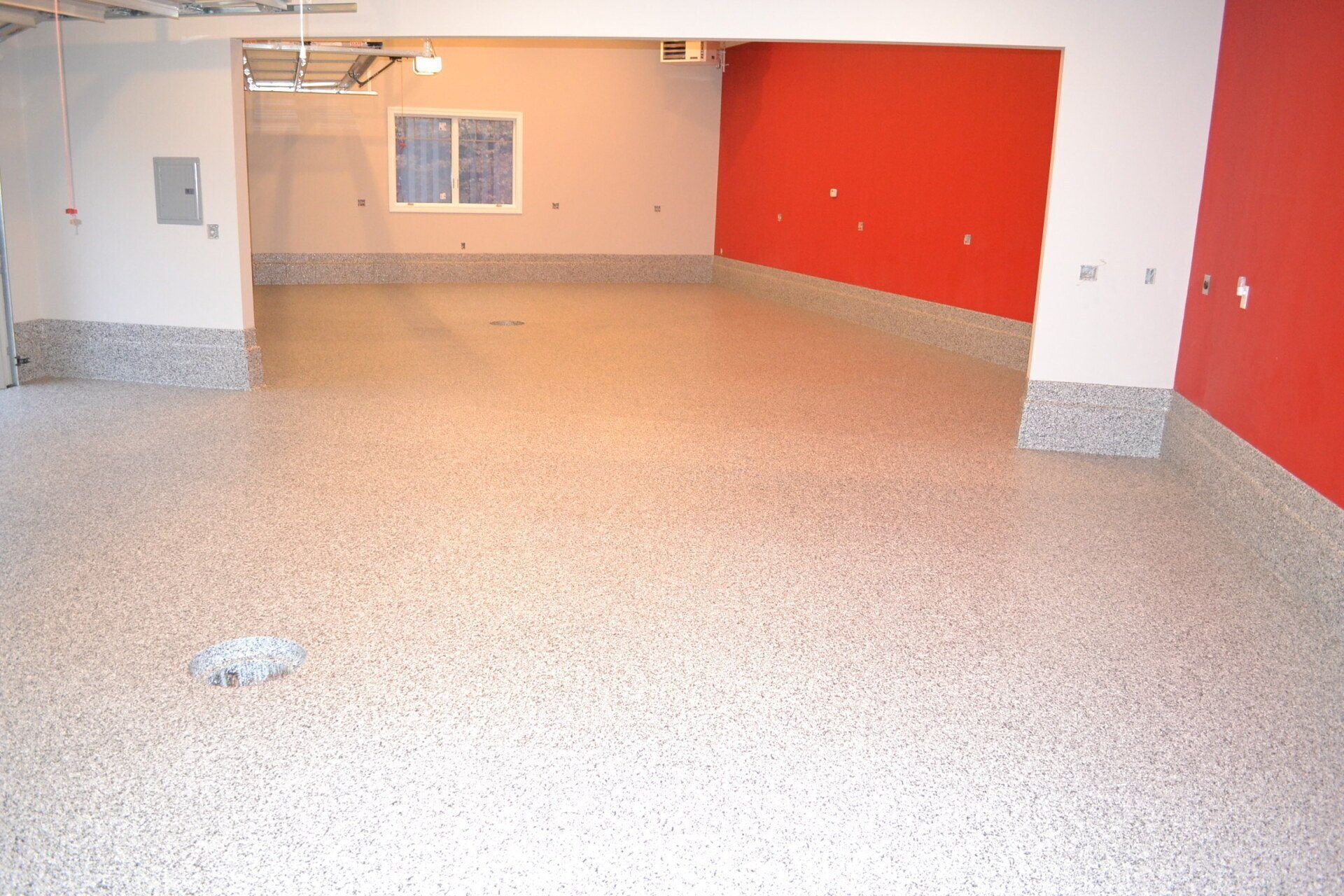
7. How will the system handle road salt and calcium chloride brine? This is the single biggest factor in Cleveland garage floor longevity, and it should be the easiest question for a qualified contractor to answer. The right answer involves a fully bonded, fully sealed surface with no exposed concrete at the perimeter, control joints, or transitions — because salt brine will find every hairline opening you leave it. If the bid skips edge detail or "saves time" by leaving control joints unfilled, the salt has already won.
Frequently Asked Questions
Is a more expensive coating always better? Not always — but a coating that is meaningfully cheaper than the regional average almost always is worse. The math is hard to fake: real diamond grinding, a real multi-coat polyaspartic system, and a real crew cost what they cost. If a Cleveland bid lands 40 percent under everyone else, something has been cut, and it is usually the prep.
What if my current floor is failing — can it be re-coated? Sometimes, but not always. If the existing coating is delaminating, it has to come off before anything new can bond. We grind down to bare concrete on most re-coat jobs, which is one reason we tell homeowners the second floor often costs more than the first should have.
How long until I can park on it? For a properly installed polyaspartic system in normal conditions, vehicles can return in 48 to 72 hours. We give every homeowner a written timeline at the walkthrough so there are no surprises about when the cars come back inside.
The Showroom Finish: Hire the Conversation You Want to Have in Three Years
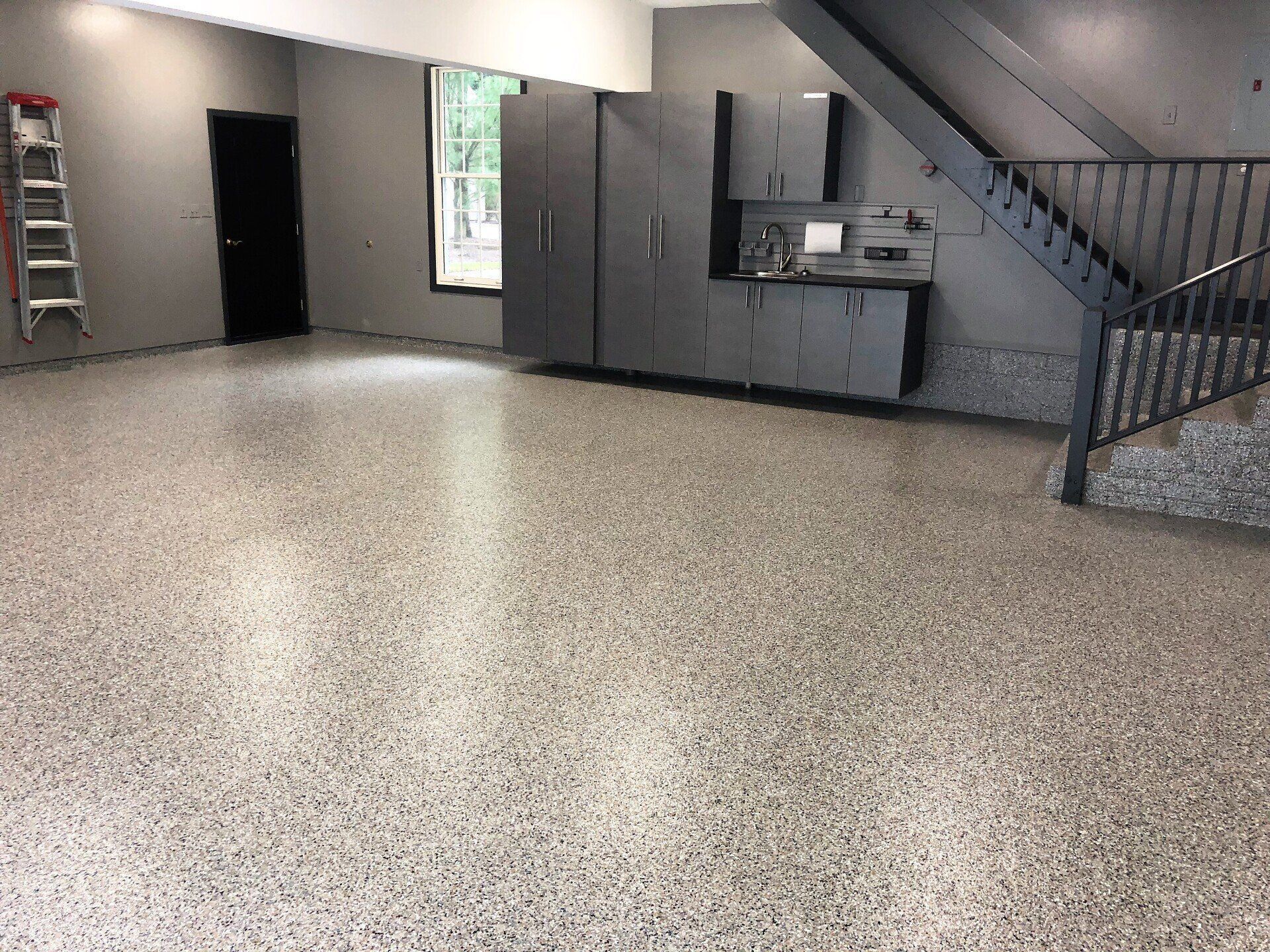
The right contractor will welcome these questions. The wrong contractor will get defensive, vague, or insist that "all garage floor coatings are basically the same." They are not. A finished floor that lasts a lifetime is built out of dozens of small craftsmanship decisions, and you have every right to know which ones are being made on your slab.
If you would rather skip the interview and start with a team that already answers all seven the right way, request a free on-site evaluation. We will walk your garage with you, test the slab, and give you a straight quote — no salt-and-pepper sales pitch, no upselling. Just an honest read on what your Cleveland concrete actually needs.