How Long Does a Polyaspartic Garage Floor Coating Last in Cleveland?
The single most common question a Cleveland homeowner asks us at the estimate is some version of: how long is this floor going to last? It is the right question, because every other decision, the color, the flake blend, the cabinet plan, depends on the answer. The honest short version: a properly installed polyaspartic garage floor coating in Cleveland is designed to be the last floor coating your slab will ever need. Our Forever Floor system is warranted for a lifetime because we have watched it perform for one, and this article walks through what actually determines how long a floor lasts in Northeast Ohio.
Lifespan is not a marketing number. It is a physical outcome that depends on chemistry, prep, and climate. All three have to line up, or the floor lands somewhere short of its potential.
The Technical Edge: What Determines Real Lifespan
The lifespan of a polyaspartic garage floor coating in Cleveland is not decided by the resin alone; it is decided by the bond between the resin and the slab underneath. If that bond is right, the floor lasts as long as the concrete does. If the bond is wrong, the floor peels off in sheets when the first spring thaw arrives.
Three technical inputs govern the outcome. Prep is first. Industrial diamond grinding opens the concrete pores and removes the weak laitance layer, giving the polyaspartic primer somewhere to anchor. Systems installed over acid-etched or "power-washed" slabs may look identical for the first six months, but the bond underneath is fundamentally weaker and will show it inside a couple of Cleveland winters.
Chemistry is second. Polyaspartic is a thermoset aliphatic polyurea, which means it does not soften under heat and does not chalk under UV. Both of those properties matter enormously for lifespan. Epoxy, the material polyaspartic gets confused with, is thermoplastic, meaning it softens when a hot tire is parked on it. That softening compounds over time and is why so many epoxy floors are visibly failing at year three.
System build is third. A single layer of polyaspartic will not last as long as a multi-layer system, no matter how good the resin is. Our five-layer build, penetrating primer, colored body coat, decorative flake, slip-resistant clear, and final polyaspartic top coat, creates redundant wear surface. The top coat carries the traffic, and the underlying layers are still protected long after wear you would notice.
The Lifestyle Benefit: What "Lifetime" Actually Looks Like
The practical definition of a lifetime polyaspartic floor is this: the maintenance disappears. There is no annual re-sealing, no periodic re-coating, no set of exclusions in the warranty that you discover only after the peel starts. You sweep it. You occasionally hose it off. That is the entire maintenance protocol.
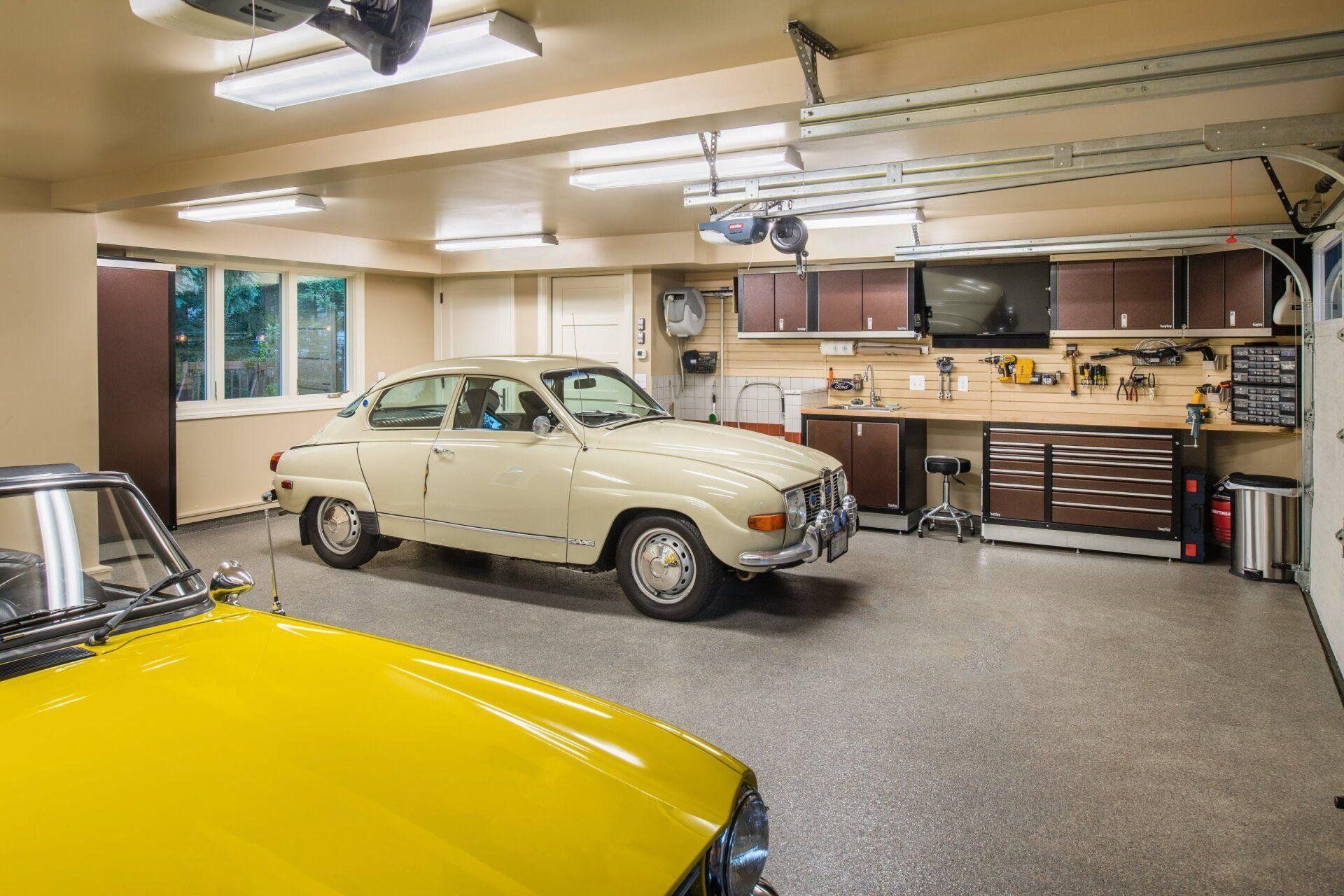
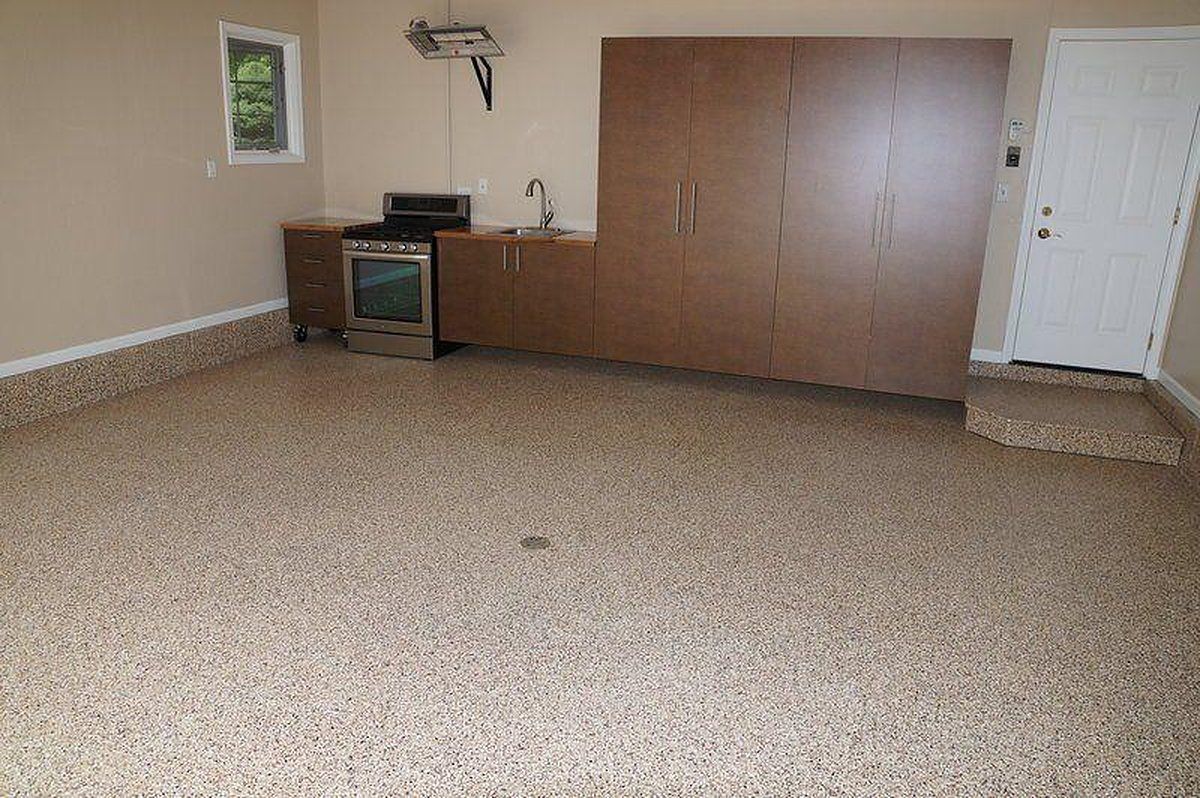
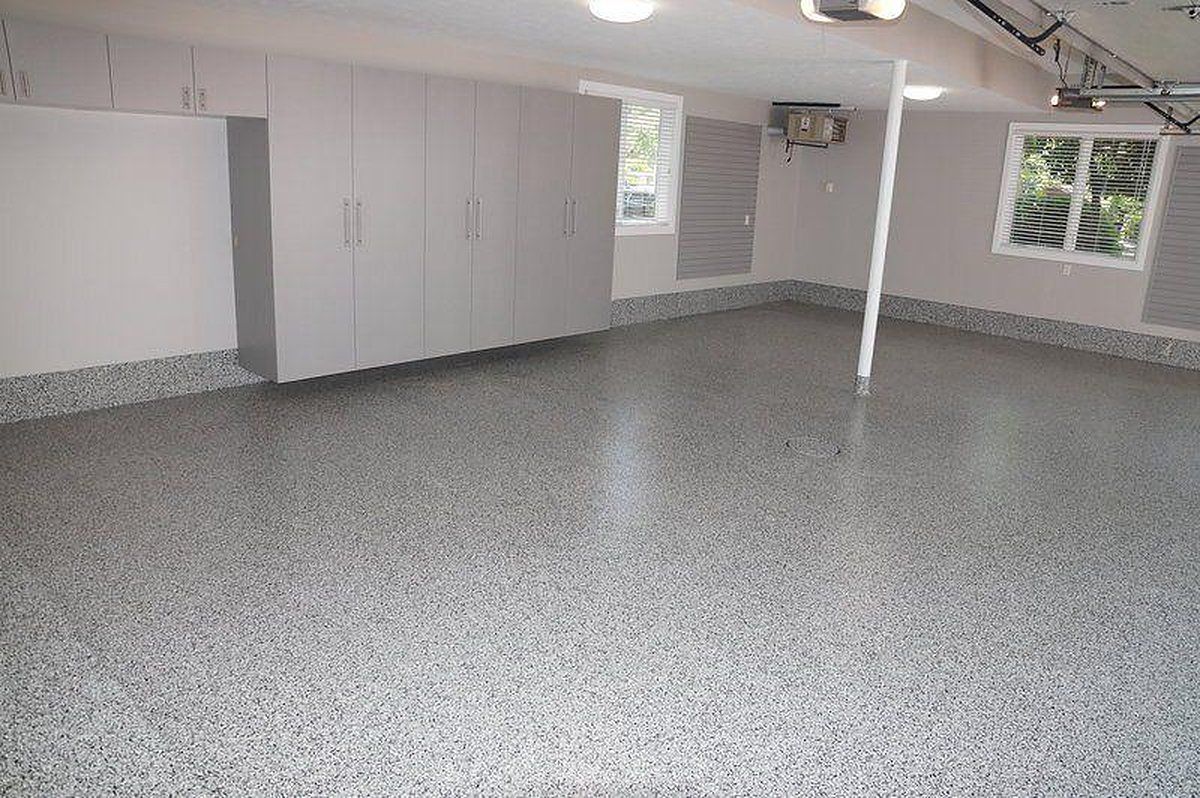
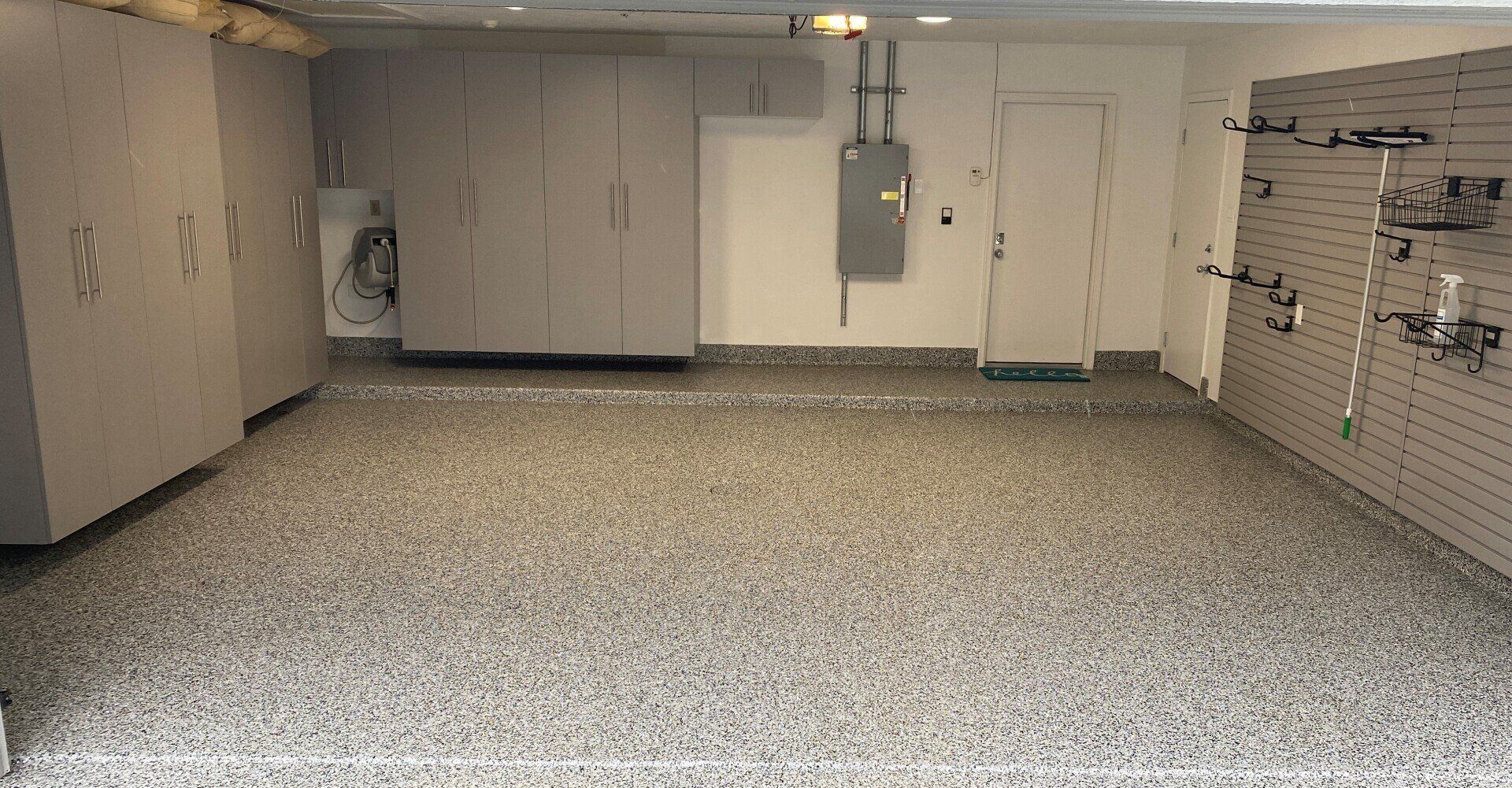
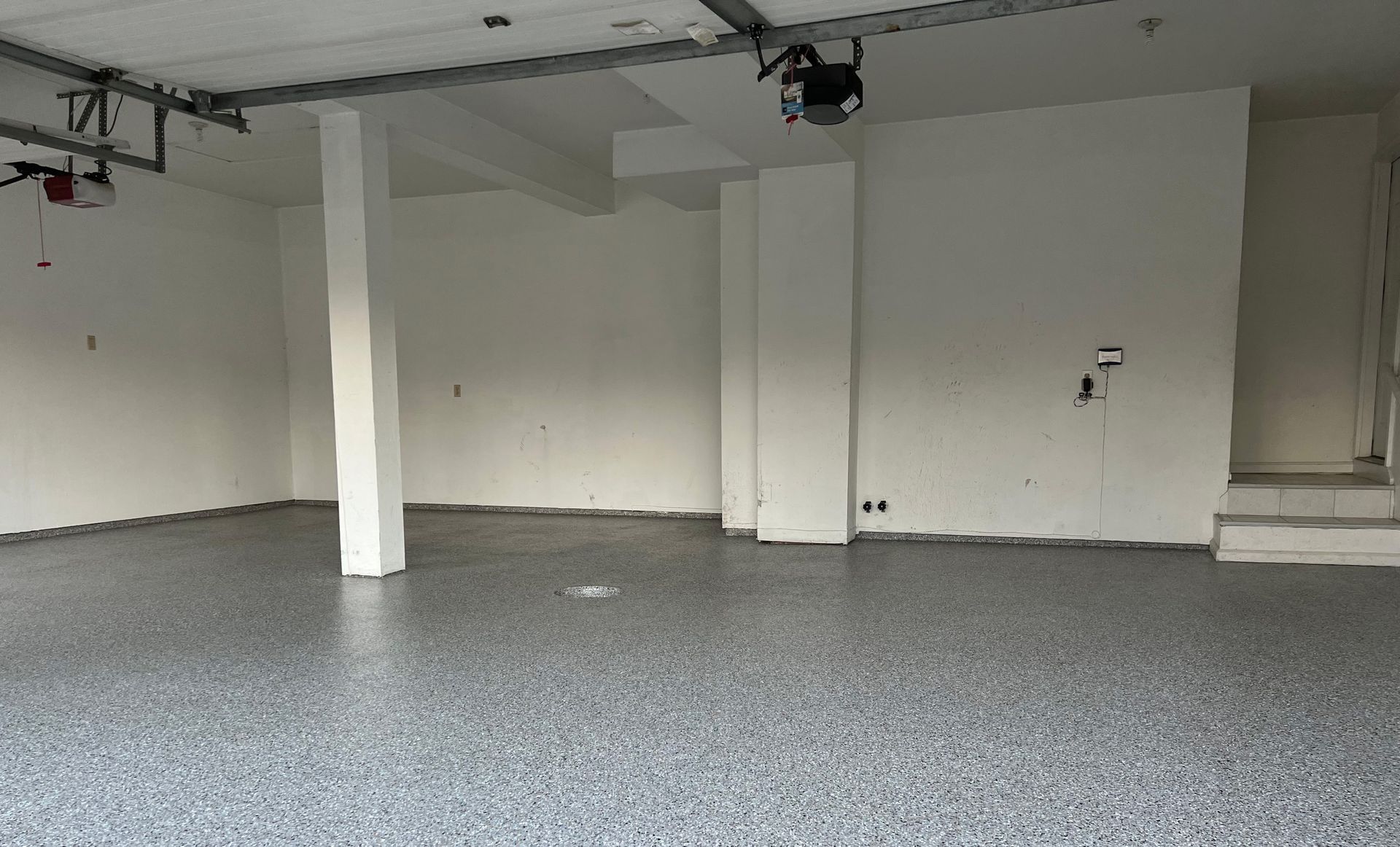
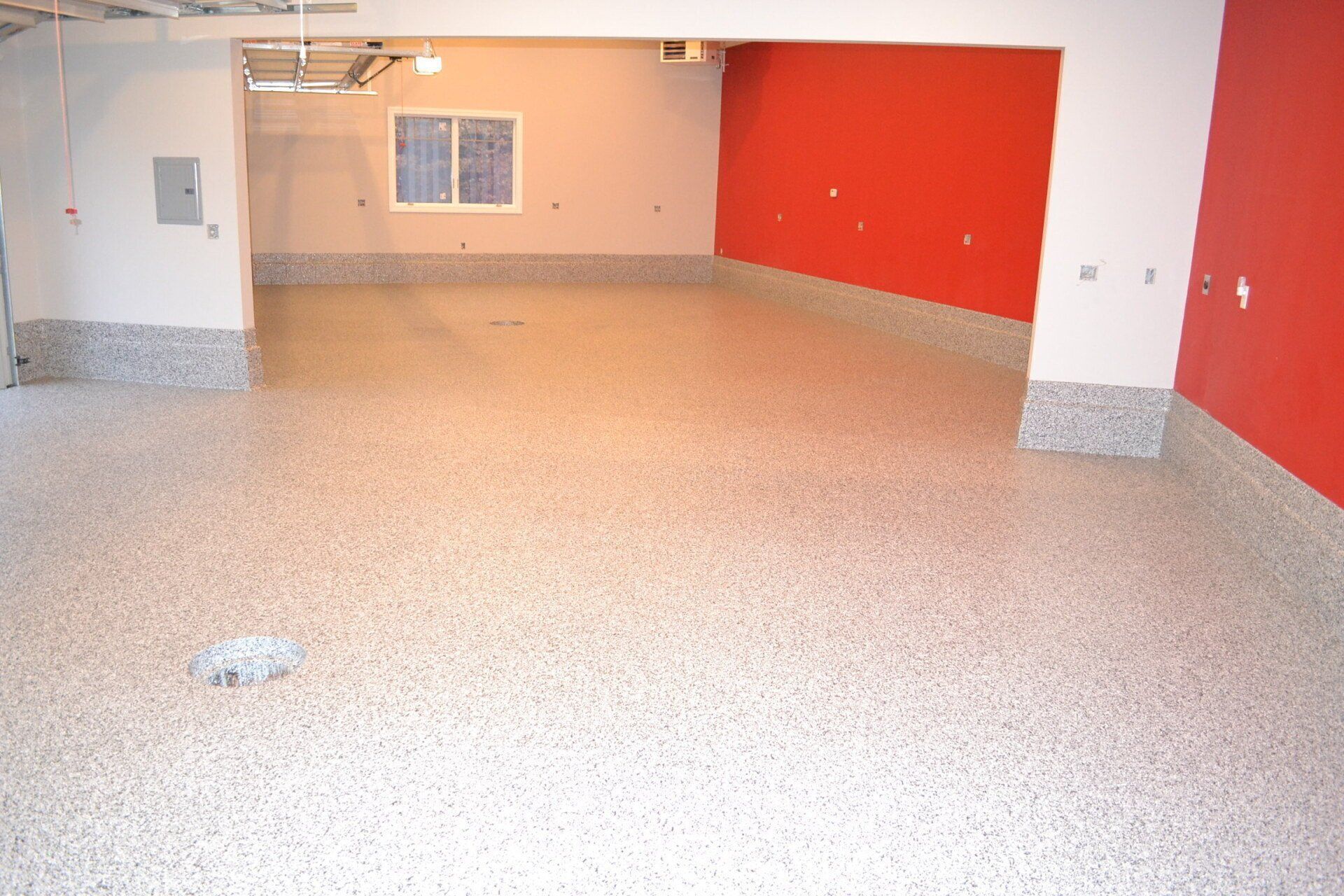
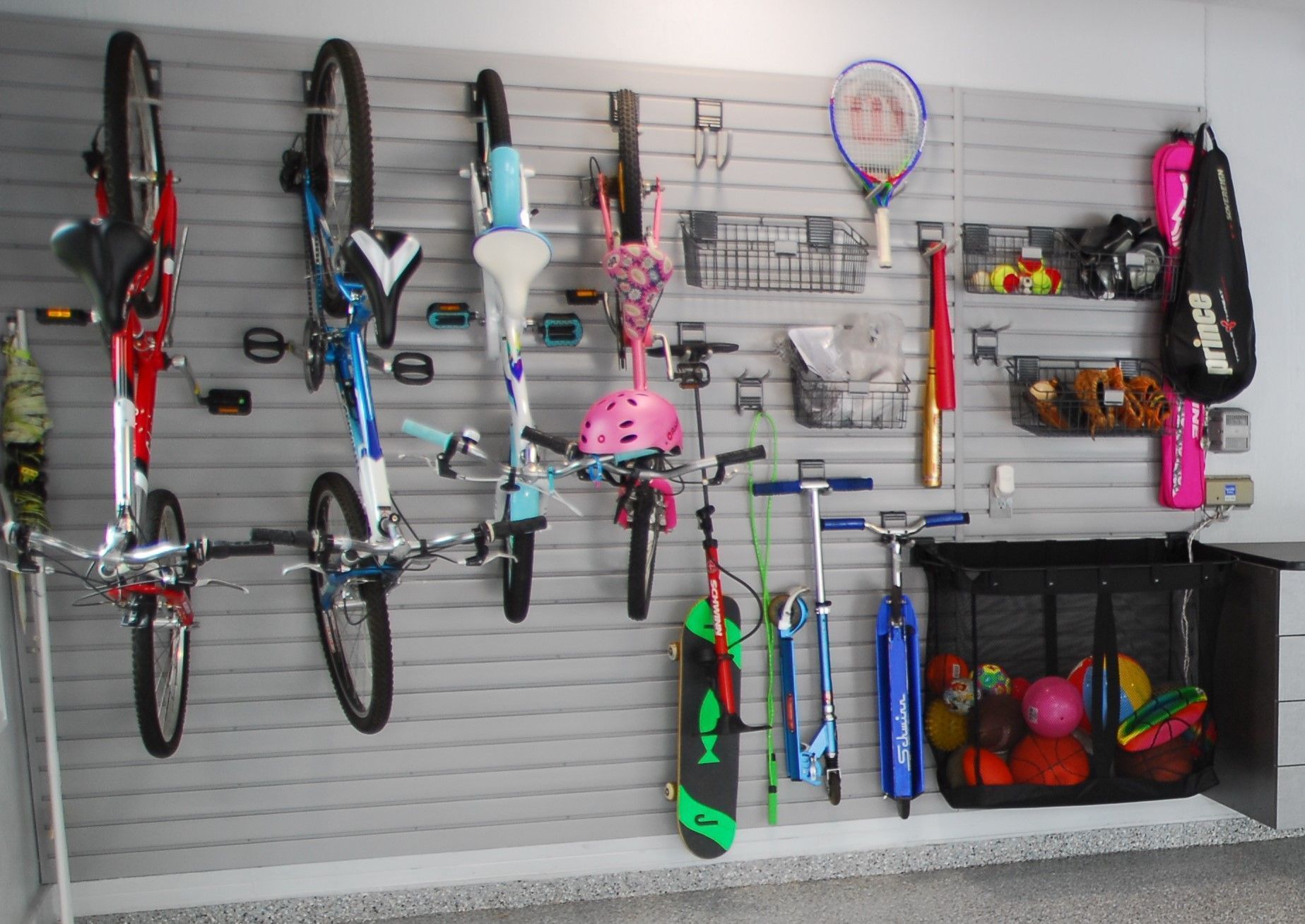
Aesthetically, a properly installed polyaspartic floor still looks like day one at year ten. The clear coat does not yellow. The decorative flakes do not fade. The finish reflects light the same way it did the day we handed the garage back. That visual permanence is what allows the cabinets and slatwall systems above the floor to keep looking premium too, because the floor is not slowly dragging the whole space down with it.
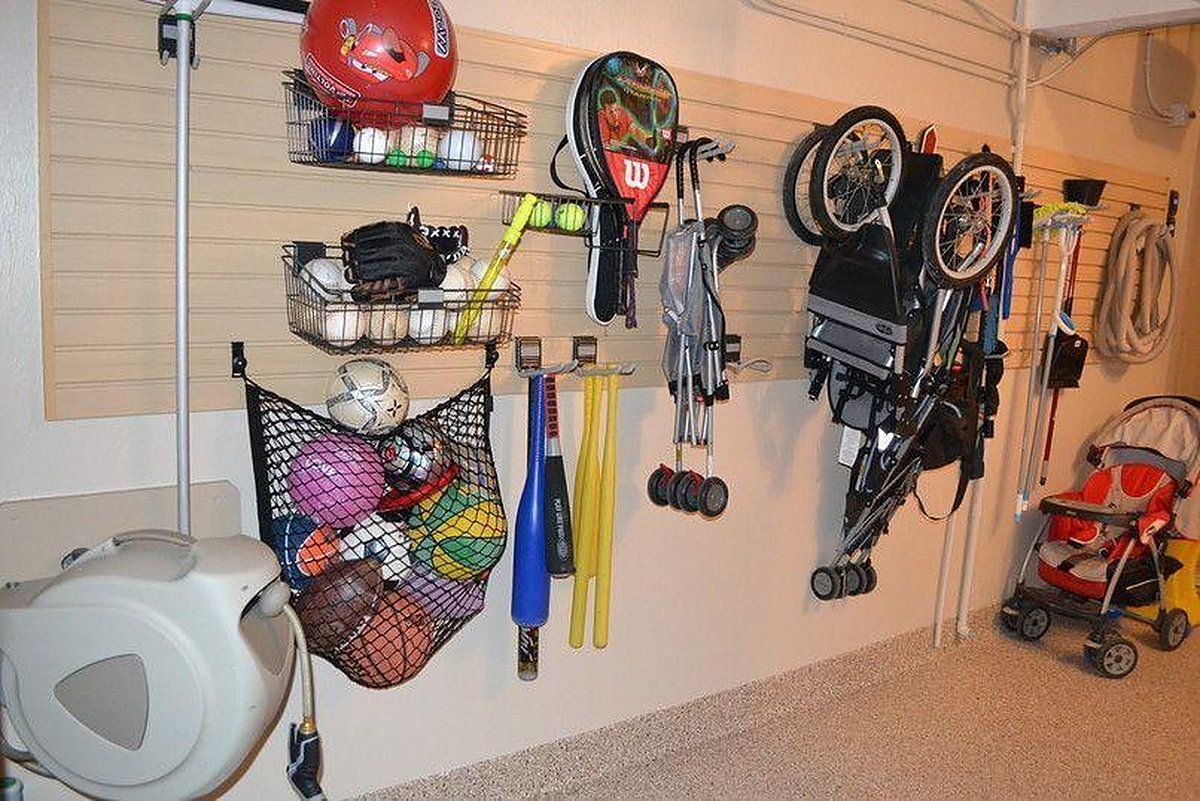
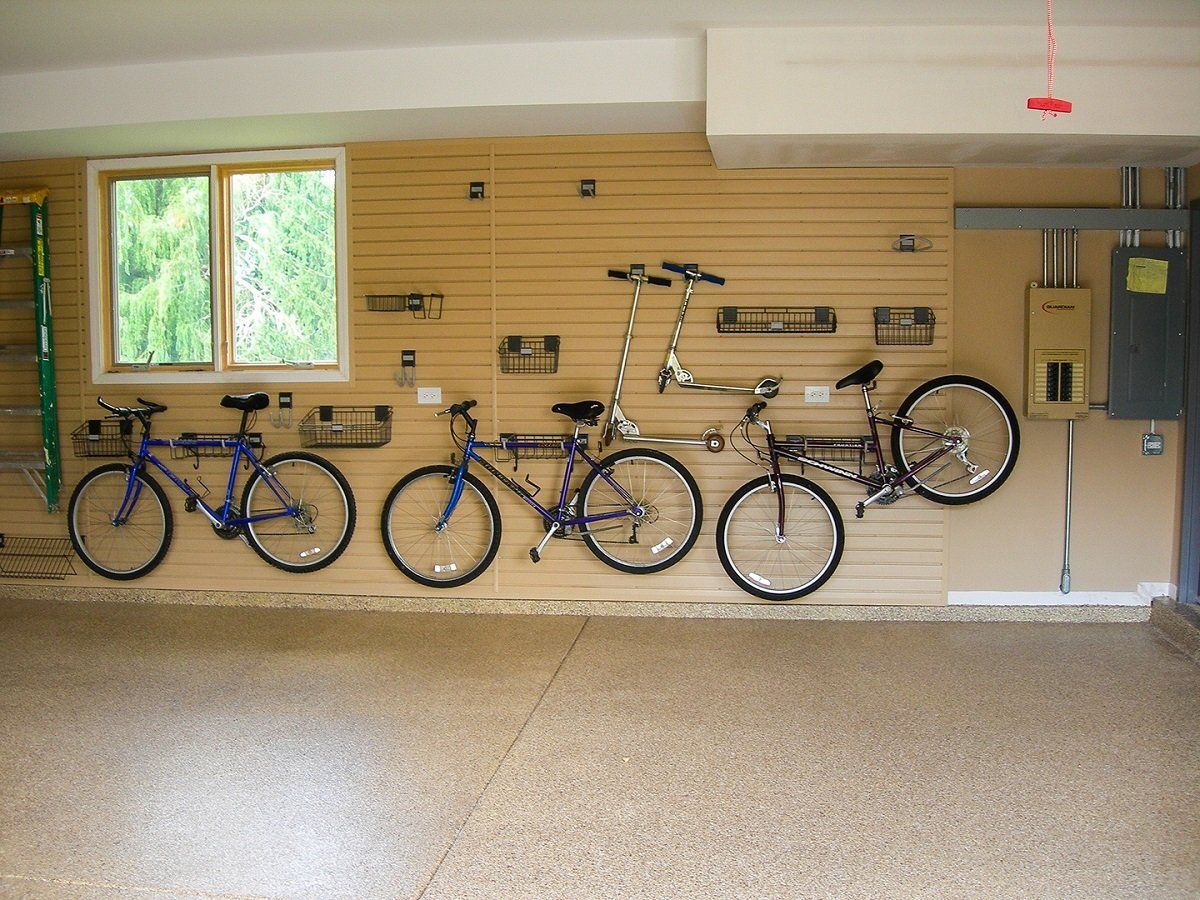
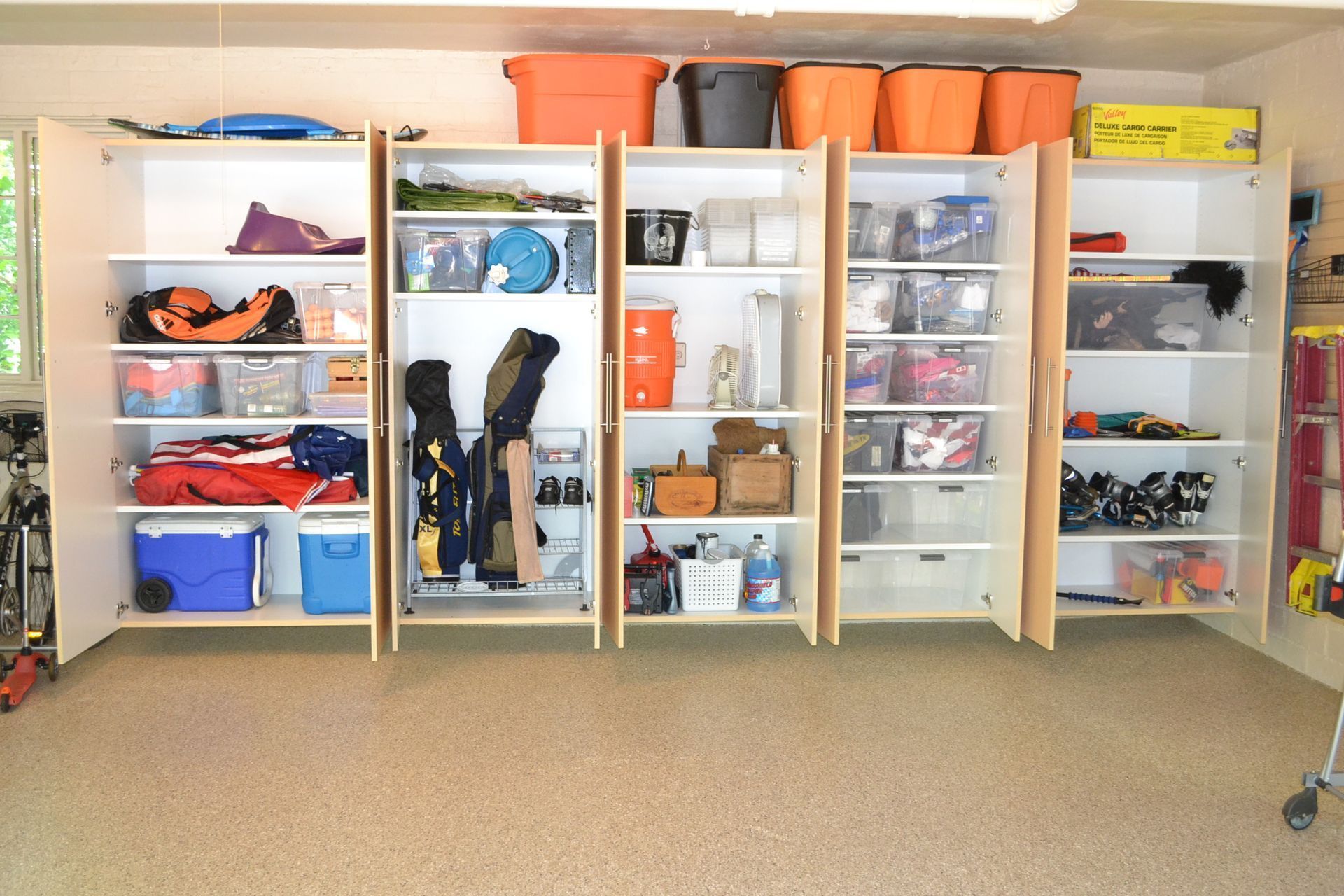
The functional benefit is that the garage never has to be "redone." Once the floor is right, the room is right. You add cabinets when you want them. You add slatwall when you want it. You do not come back to the floor because the floor is done.
Ohio-Specific Considerations
Lifespan in Cleveland is not the same as lifespan in Atlanta or Phoenix. Our climate compresses the lifespan of anything that is not built for it, and it exposes the difference between engineered coatings and painted ones.
Freeze-thaw cycling. A Cleveland slab expands and contracts every time the temperature crosses freezing, a cycle that happens dozens of times each winter. Polyaspartic stays slightly flexible across that temperature range and moves with the slab. Rigid coatings like epoxy crack off at the same movement. The flexibility difference is the single biggest reason polyaspartic outlasts epoxy in Northeast Ohio by a factor of two or three.
Calcium chloride brine. Road-salt residue tracked into a Cleveland garage every winter is chemically aggressive. Polyaspartic's dense, non-porous film resists chloride penetration; porous or thin coatings absorb the brine and lift from underneath. Perimeter and joint sealing determines whether the brine ever reaches the concrete at all, and edge detail is often where cheap installs quietly give up years of lifespan.
Moisture vapor transmission. Older Cleveland slabs move measurable moisture vapor up through the concrete every spring. A floor with a proper penetrating primer stops that vapor at the slab line and keeps the coating intact. A floor without one lifts in blisters by April. This is why we test moisture before quoting: a lifetime warranty depends on knowing what the slab is actually doing.
UV exposure at south-facing openings. Any epoxy floor near a south-facing window or overhead door yellows within a few years — direct sun breaks down the polymer chain. Polyaspartic is aliphatic and UV-stable, so the section of floor near the sun looks identical to the section that never sees it. In practical terms, a Forever Floor near the daylight looks the same at year fifteen as it does on install day.
Frequently Asked Questions
What is the realistic lifespan of a polyaspartic floor in Cleveland? A properly installed polyaspartic system in a residential Cleveland garage is engineered to last the life of the slab beneath it. We warranty ours for a lifetime, no exclusions, because the field data supports it. Floors we installed over a decade ago are still performing exactly as installed.
What shortens the lifespan? Almost always installation, not the material. Skipped prep, single-coat systems, unsealed control joints, and installations done outside the polyaspartic's cure window are the four biggest shorteners. If any of those show up on your bid sheet, the floor is not going to last regardless of what the salesperson promises.
Is the warranty transferable if I sell my home? Yes. Our lifetime warranty transfers to the next homeowner, which is one of the reasons buyers walking through a finished Cleveland garage take note. A transferable warranty is a real asset in a real estate transaction, and it should be part of how you compare bids.
The Showroom Finish: Built for the Lifetime of the House
The point of a polyaspartic garage floor coating in Cleveland is not that it lasts longer than the alternatives. The point is that it lasts. Once. Correctly. In the climate it actually lives in. When the floor is engineered for the slab and the slab is prepped for the coating, the lifespan question stops being a question.
If you are tired of watching floors fail three years in — or you are ready to buy the last floor your garage will ever need — reach out for a free evaluation. We will walk your slab, test the moisture, and show you exactly what a lifetime looks like in your Cleveland garage. One install. One warranty. One floor that outlives every other upgrade you make around it.