What Are the Best and Worst Garage Floor Finishing Options?
Garage Finisher • October 23, 2023
What Are the Best and Worst Garage Floor Finishing Options?
If you only have a bare concrete slab in your garage, you're asking for trouble. Bare concrete is easily damaged especially by road salt and even more easily stained. Normal car traffic and any little accident that happens in your garage will become a permanent part of the floor, causing staining, pitting and shortening its lifespan, and making it much more likely you'll have to lay down a new slab someday.
Of course, there are plenty of options for garage floor finishing for your Cleveland garage floor. Which options are best? Let's take a look at some of them, starting with the worst.
Ranking Your Options in Commercial Garage Floor Coating Products
7. Plain Concrete
Without a doubt, the worst thing you can do with your garage floor is nothing. A plain concrete slab is a fine starting point for a floor, but it's not a good long-term solution - especially if your garage sees a lot of use and road salt. Concrete is easy to damage, and even easier to stain. It doesn't take long at all for wear and tear to eat away at the concrete, causing it to become ugly and a dangerous tripping hazard. Many times the concrete is installed with a smooth finish in a garage making it slippery when wet.
If you still have plain concrete on your garage floor, virtually anything would be a better option.
Without a doubt, the worst thing you can do with your garage floor is nothing. A plain concrete slab is a fine starting point for a floor, but it's not a good long-term solution - especially if your garage sees a lot of use and road salt. Concrete is easy to damage, and even easier to stain. It doesn't take long at all for wear and tear to eat away at the concrete, causing it to become ugly and a dangerous tripping hazard. Many times the concrete is installed with a smooth finish in a garage making it slippery when wet.
If you still have plain concrete on your garage floor, virtually anything would be a better option.
6. Concrete Floor Paint
Concrete floor paint is more durable than regular wall paint and is usually made of materials such as latex or oils. Floor paints also typically include “nonslip” finishes and some attempt at making them chemical-resistant.
However, it's still just paint, and paint is easy to damage. It also does almost nothing to protect the floor from direct damage. A coat of paint could potentially cover up a heavily-stained concrete floor you don't want to replace, but it's not going to offer much in the way of long-term protection. This is little more than a band-aid for bigger problems and will quickly start peeling.
Concrete floor paint is more durable than regular wall paint and is usually made of materials such as latex or oils. Floor paints also typically include “nonslip” finishes and some attempt at making them chemical-resistant.
However, it's still just paint, and paint is easy to damage. It also does almost nothing to protect the floor from direct damage. A coat of paint could potentially cover up a heavily-stained concrete floor you don't want to replace, but it's not going to offer much in the way of long-term protection. This is little more than a band-aid for bigger problems and will quickly start peeling.
The only thing that paints or stains will do for your garage floor is change the color. They offer no real protection against damage, don't prevent water intrusion, and can still be stained by a variety of products that might be spilled. Also, as the paint or stain begins to crack and wear down, it'll end up looking even worse than a bare slab and may leave you with a peeling floor instead of your original bare concrete floor.
5. Nature Stone
For a while, stone garage floors made of Nature Stone were popular - but now, more and more people are paying to have their nature stone removed instead. The sales pitch for stone garage floors is that they would look like professional stonework, at a lower price. Unfortunately, they are typically overpriced for what you get, easily damaged, and will quickly start looking bad. Worse, nature stone garage floors are porous, so they have the same problems as basic concrete with soaking up stains, trap dirt and potentially allowing chemicals to seep through to the ground below. Even the manufacturer, recommends that you regularly pay to reseal the floor or else it will fall apart.
We know this one from personal experience. We do a lot of work for people who bought into Nature Stone and later regretted it, calling us to remove the stone and install different garage flooring. Don't waste your money.
For a while, stone garage floors made of Nature Stone were popular - but now, more and more people are paying to have their nature stone removed instead. The sales pitch for stone garage floors is that they would look like professional stonework, at a lower price. Unfortunately, they are typically overpriced for what you get, easily damaged, and will quickly start looking bad. Worse, nature stone garage floors are porous, so they have the same problems as basic concrete with soaking up stains, trap dirt and potentially allowing chemicals to seep through to the ground below. Even the manufacturer, recommends that you regularly pay to reseal the floor or else it will fall apart.
We know this one from personal experience. We do a lot of work for people who bought into Nature Stone and later regretted it, calling us to remove the stone and install different garage flooring. Don't waste your money.
4. Home Epoxy Kits
Resinous coatings have been a popular option for improving concrete floors going back to the mid-20th Century, and this can be an excellent choice in many situations - but not the DIY kits you can find online or in big box stores.
The epoxy in these kits is much weaker than what you can get from flooring professionals. The directions on proper installation are flawed and the product is cheap resulting in quick failure after installation. Many homeowners are very upset after installing these kits because they not only wasted their money but they also waster a couple weekends of free time that could have spent with family and friends.
If you're interested in resinous coatings, hire a professional company with a long track record of successful installs.
Resinous coatings have been a popular option for improving concrete floors going back to the mid-20th Century, and this can be an excellent choice in many situations - but not the DIY kits you can find online or in big box stores.
The epoxy in these kits is much weaker than what you can get from flooring professionals. The directions on proper installation are flawed and the product is cheap resulting in quick failure after installation. Many homeowners are very upset after installing these kits because they not only wasted their money but they also waster a couple weekends of free time that could have spent with family and friends.
If you're interested in resinous coatings, hire a professional company with a long track record of successful installs.
- Epoxy Floor Coating
Epoxy coatings are one of the most known options. Epoxy is extremely hard and durable and can stand up to a lot of damage. However, it becomes brittle over time, can crack when punctured and is very susceptible to hot tire peeling. Additionally epoxy is very sensitive to moisture in the concrete and can peel because of moisture pressure. In many applications epoxy flooring can be extremely slippery making it a bad combination for a wet garage floor.
Epoxy coatings are one of the most known options. Epoxy is extremely hard and durable and can stand up to a lot of damage. However, it becomes brittle over time, can crack when punctured and is very susceptible to hot tire peeling. Additionally epoxy is very sensitive to moisture in the concrete and can peel because of moisture pressure. In many applications epoxy flooring can be extremely slippery making it a bad combination for a wet garage floor.
- Floor Sealers
Floor sealers are roll-on or pump-spray products, generally made of latex or acrylic. These do have the advantage of being temporarily water-tight if properly applied, and do provide some level of protection for your garage floor. However, the problem is that they don't have a long term bond to concrete, have a very short life of approximately 1 year and even minor mistakes in application will cause them to fail quickly. Yearly resealing is needed and the buildup can cause visual problems and a slippery garage floor.
3 - Garage Flooring Tiles
A garage floor can be covered in tiles, much like a kitchen or bathroom, and you'll get similar results from the work. This can be a good choice, especially if you have a reason to make your garage floor look fancy.
However, garage floor tiles still suffer from the same problems as other types of tiles. They're fairly easy to damage, and will start to peel up over time - especially if they're exposed to a lot of moisture. You'll also have issues with dirt building up and staining the grout between tiles. The top problem with tiles in a garage is they are slippery when wet! Also, cleaning a garage filled with grout lines is going to take a long time!
There are arguments to be made for garage flooring tiles, but know what you're getting into.
However, garage floor tiles still suffer from the same problems as other types of tiles. They're fairly easy to damage, and will start to peel up over time - especially if they're exposed to a lot of moisture. You'll also have issues with dirt building up and staining the grout between tiles. The top problem with tiles in a garage is they are slippery when wet! Also, cleaning a garage filled with grout lines is going to take a long time!
There are arguments to be made for garage flooring tiles, but know what you're getting into.
Interlocking floor tiles are a popular option, mostly because they're cheap to purchase and easy to install. They'll provide some level of protection against impact damage, and come in a wide variety of colors and styles. Plus they can be used to cover up existing stains or damage. However, the fact that they only cover up damage doesn’t mean the damage is properly repaired. Also many porous tiles allow dirt to enter the floor between the concrete and the tile with no easy way to remove the debris. Plastic tiles are also susceptible to cupping when in direct sunlight. Some tiles can cause mildew to grow under the tile because they do not allow the water to evaporate.
2. Flooring Mats
Mats can be a solid option for your garage floor, especially if your vehicles aren't particularly heavy. Mats are easy to install, and being a bit softer and more rubbery, resist impact damage well. They also don't hurt so much to fall on, so it's a good choice if you expect a lot of spills, or have small kids running around.
However, always remember that these mats are simply covering the floor, and aren't sealed down. You will need to periodically peel up the mats and clean underneath. Mats are also going to be vulnerable to staining, and damage from spilled chemicals, so spills need to be cleaned up ASAP.
Mats can be a solid option for your garage floor, especially if your vehicles aren't particularly heavy. Mats are easy to install, and being a bit softer and more rubbery, resist impact damage well. They also don't hurt so much to fall on, so it's a good choice if you expect a lot of spills, or have small kids running around.
However, always remember that these mats are simply covering the floor, and aren't sealed down. You will need to periodically peel up the mats and clean underneath. Mats are also going to be vulnerable to staining, and damage from spilled chemicals, so spills need to be cleaned up ASAP.
1 - Polyaspartic Coatings
When you want the best combination of strength and longevity, professionally installed resinous coatings are the way to go - and polyaspartic coating
is the best flooring resin currently available. It's stronger and more durable than epoxy or other options like urethane resin while being extremely quick to install and cure. A polyaspartic coating can typically be installed (by professionals) in a day, and be ready for use within 24 hours.
Polyaspartic coatings are exceptionally resistant to damage, can't be harmed by most common chemicals, road salt or UV light, and are also easy to clean. All it takes is just hosing down the floor from time to time. This means a polyaspartic coating can easily last the lifetime of your garage, a true one-and-done upgrade.
Polyaspartic coatings are exceptionally resistant to damage, can't be harmed by most common chemicals, road salt or UV light, and are also easy to clean. All it takes is just hosing down the floor from time to time. This means a polyaspartic coating can easily last the lifetime of your garage, a true one-and-done upgrade.
For the best in garage floor finishing, you can't beat polyaspartic coatings
like Garage Finisher’s 5 Layer Proprietary Polyaspartic Forever Floor. Garage Finisher’s Proprietary Polyaspartic formulation penetrates & makes a mechanical bond tightly with the concrete, l and is impervious to road salt and other spills in the garage. Garage Finisher’s Lifetime Warranty insures you never have to coat your garage floor again!
Let Our Team at Garage Finisher in Cleveland Help!
Garage Finisher's Forever Floor is the best option in Ohio for strong, long-lasting garage flooring! Our extra-strong proprietary blend, combined with our five-layer installation process, means it's likely to be the last garage flooring you ever install unless you move and call us again! Contact us to learn more about Forever Floor!
Garage Finisher offers the best garage floor coatings in Cleveland! Contact us today to discuss your options.
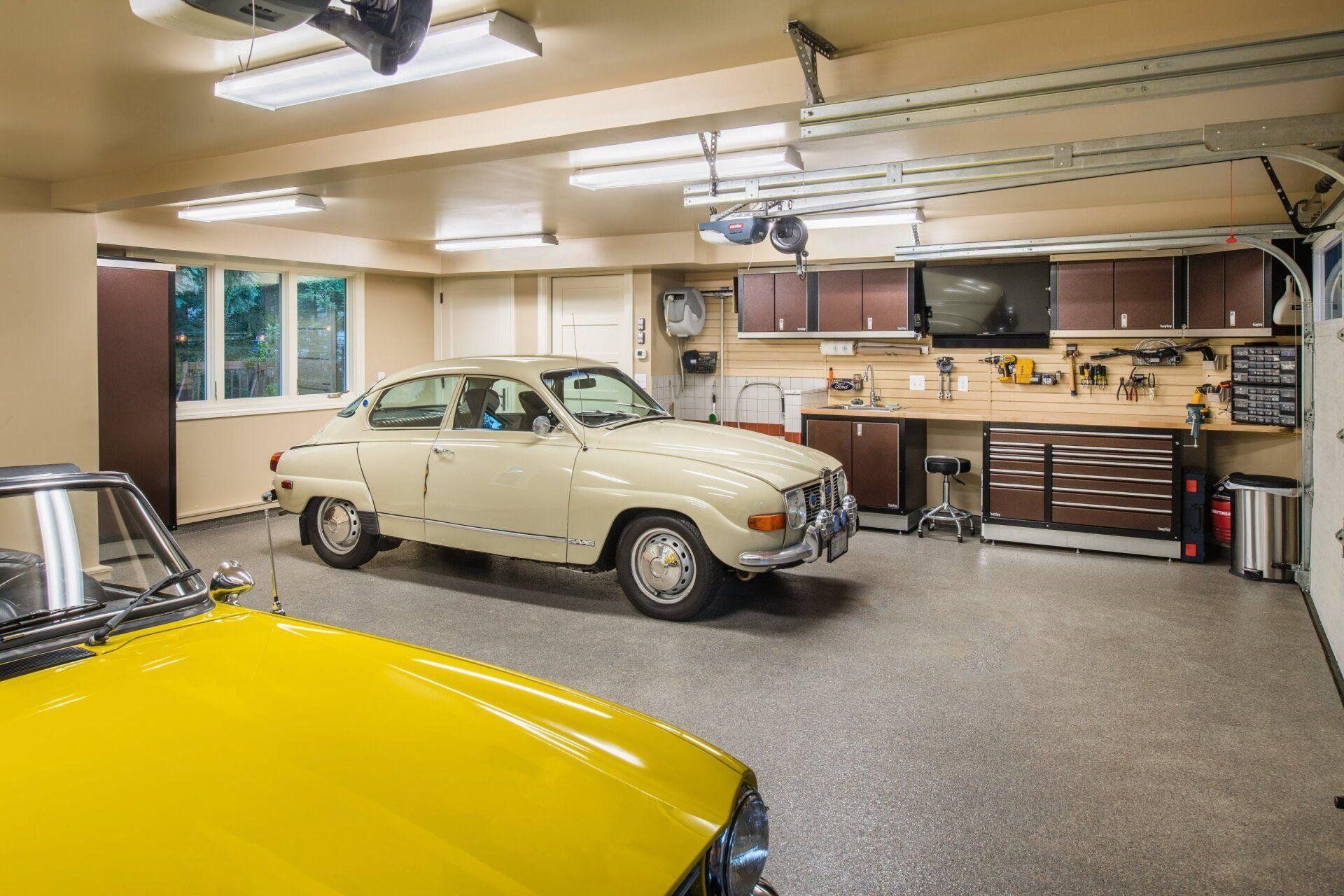
Garage workshop ideas for Cleveland homeowners: build in the right order, from floor to storage to power and light. Book a free on-site evaluation.
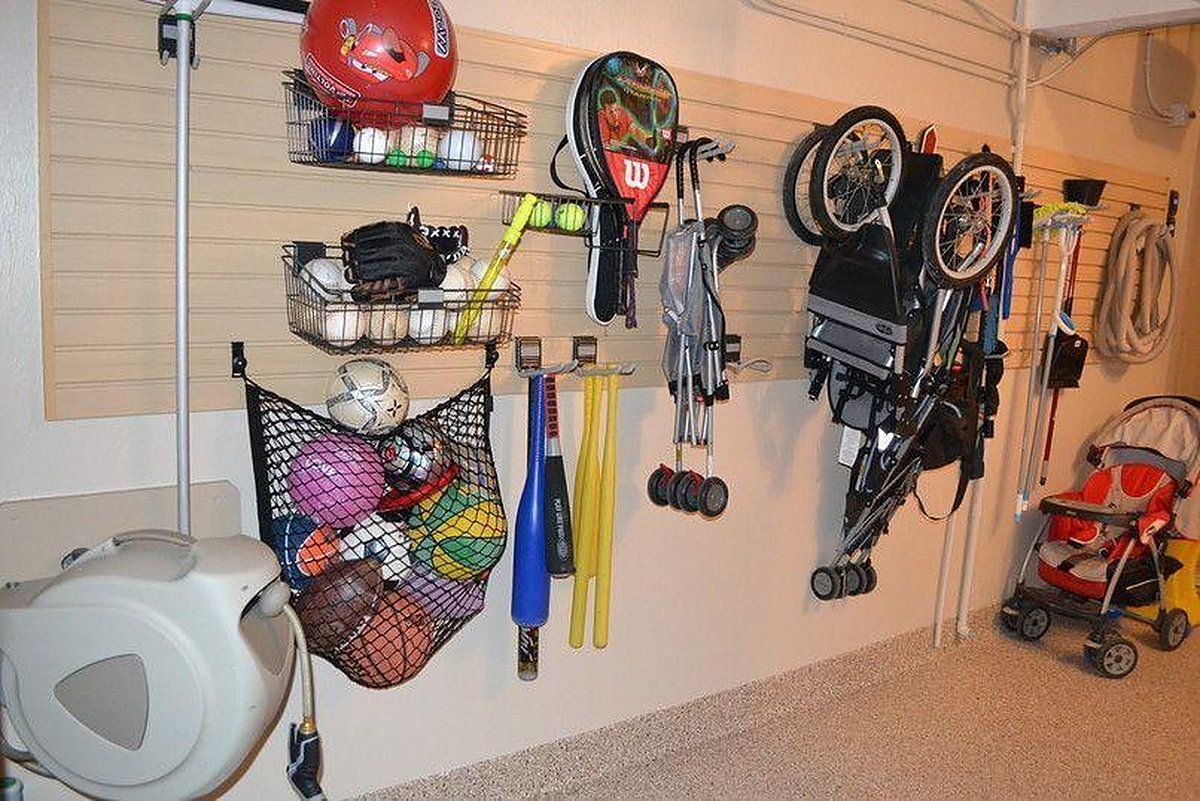
Pick slatwall accessories by load, not looks. Hooks, baskets, and shelves for a garage wall that holds up. Schedule a free on-site consultation today.
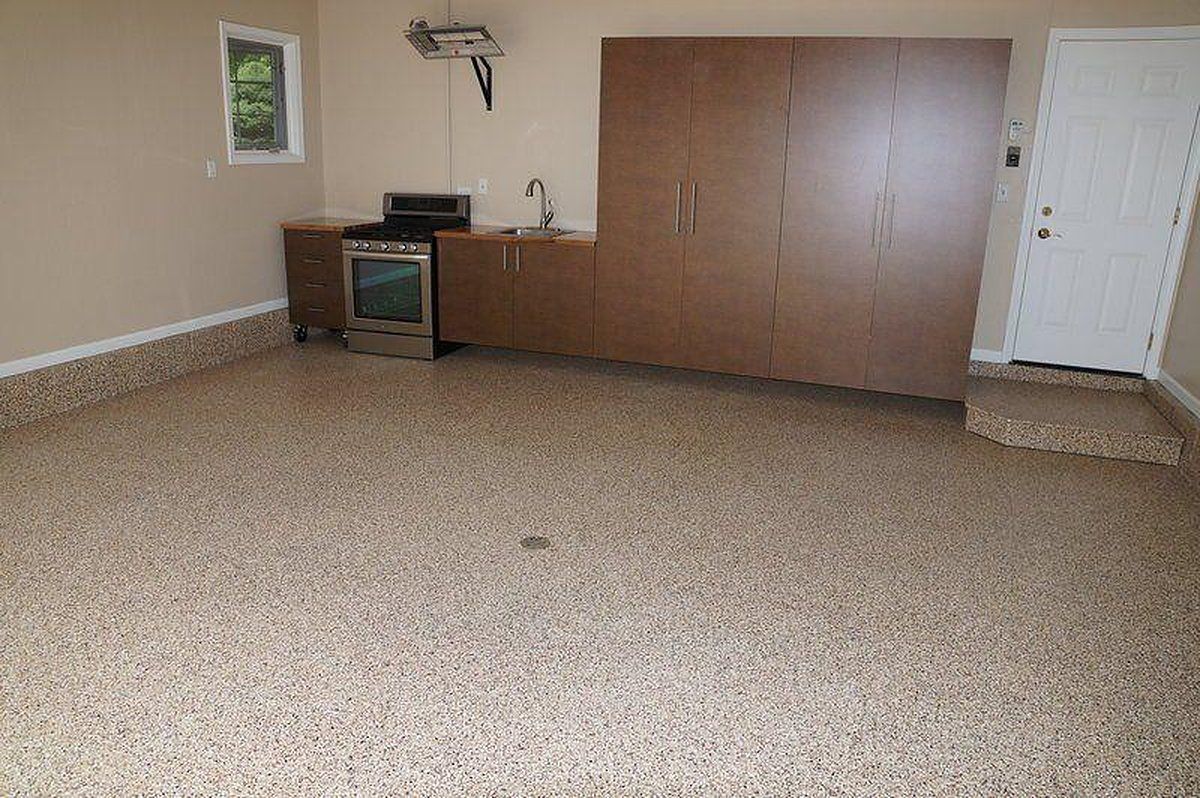
Garage man cave ideas for Cleveland homes that keep room for the car: a floor built for Ohio winters, cabinets that hide clutter, and walls for display.
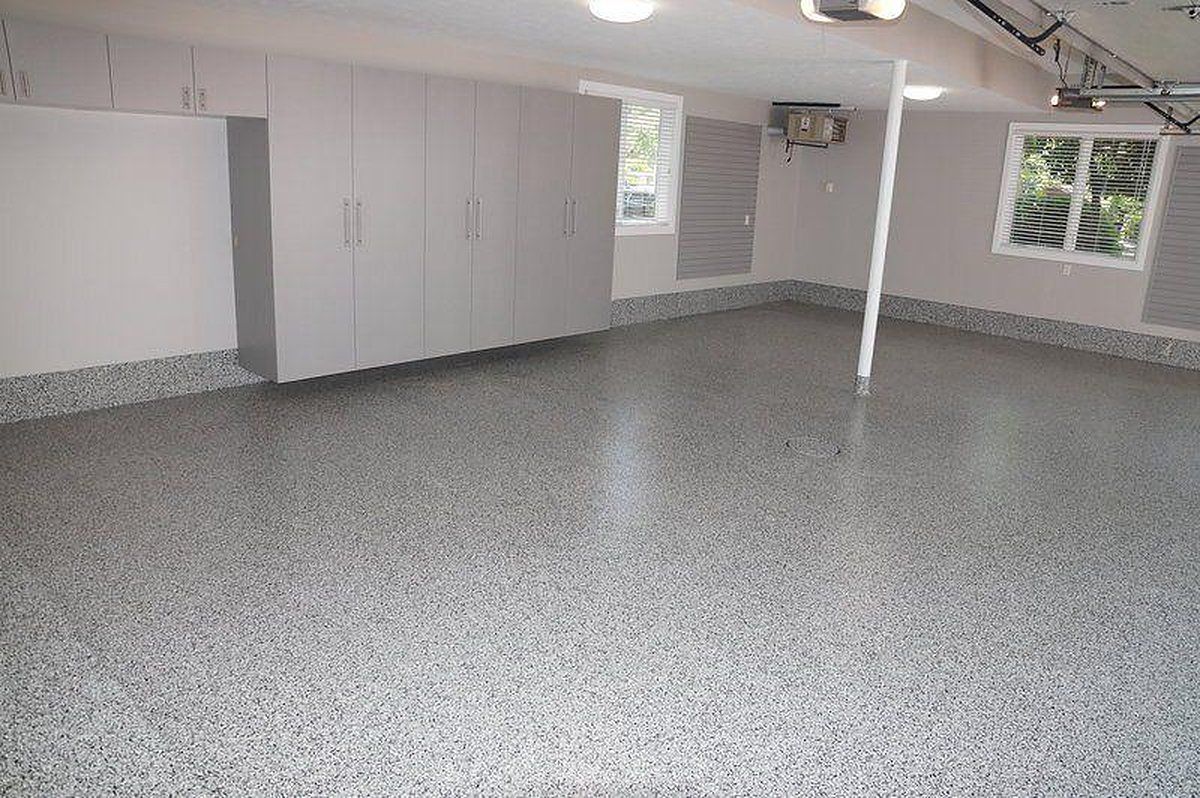
Garage gym flooring for Cleveland homes: why a bonded polyaspartic floor with rubber where weights land beats loose mats. Book a free floor evaluation.
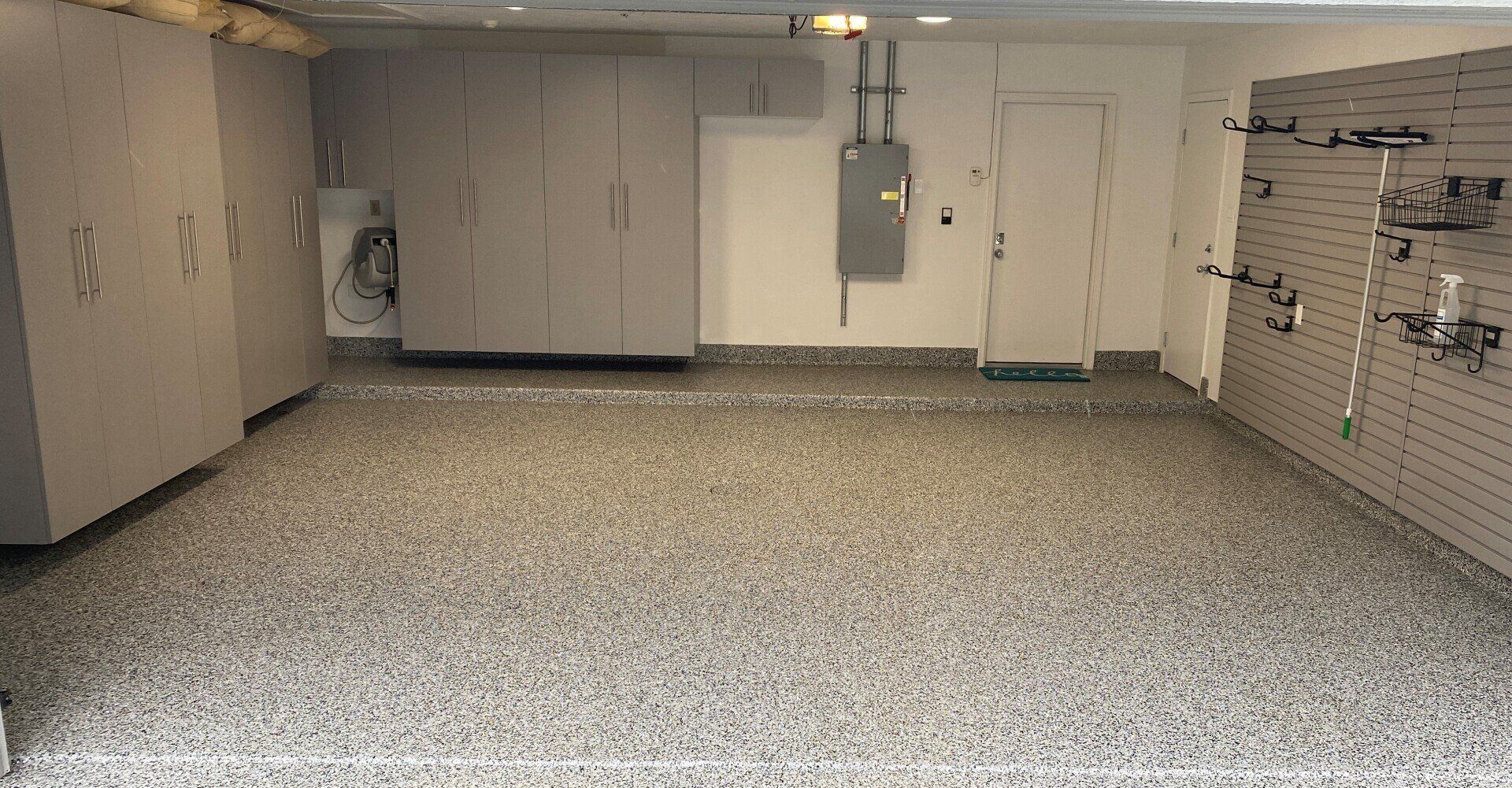
Fall is the best time for a garage renovation in Cleveland. Seal the floor and get organized before winter salt and freeze-thaw cycles hit bare concrete.
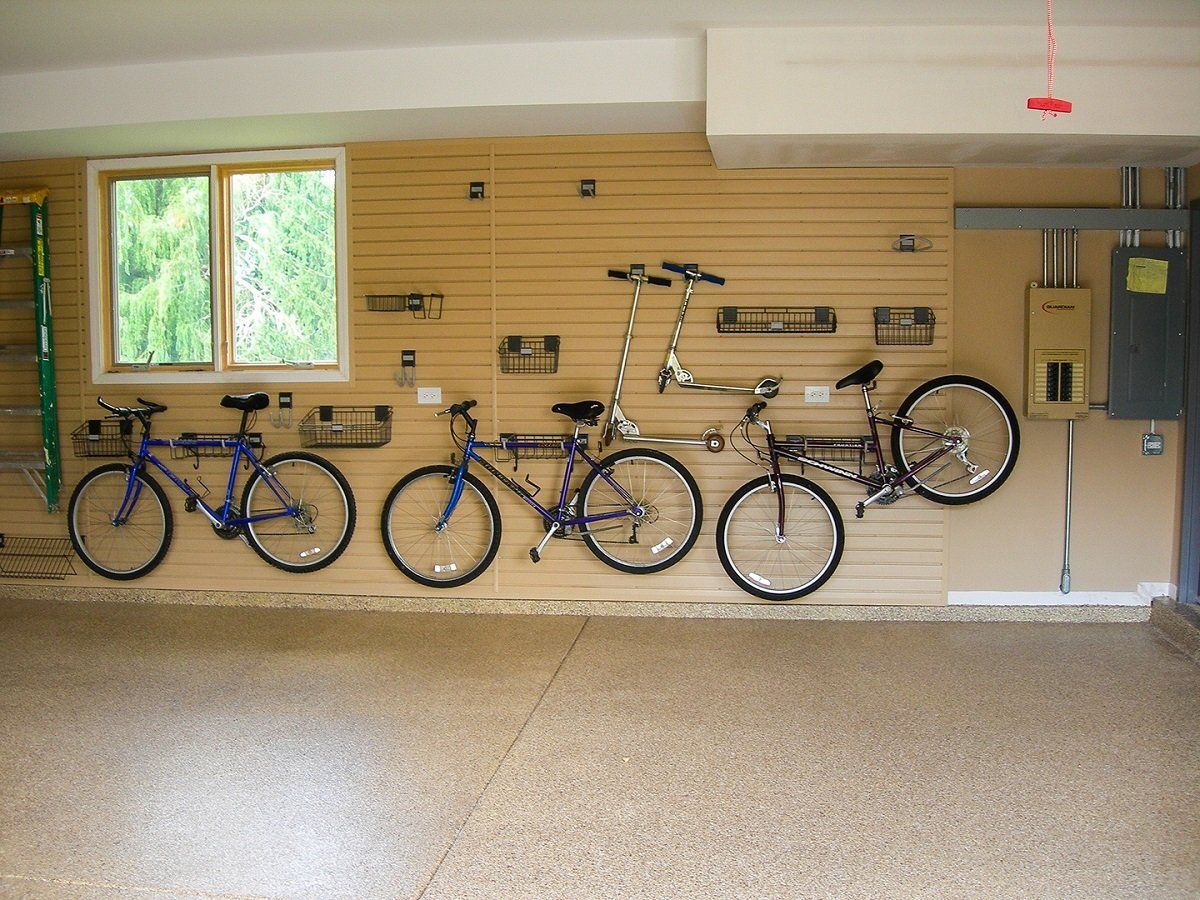
Slatwall, pegboard, or track rails? See which garage wall system holds the most weight and survives a Cleveland winter, and which ones end up on the floor.
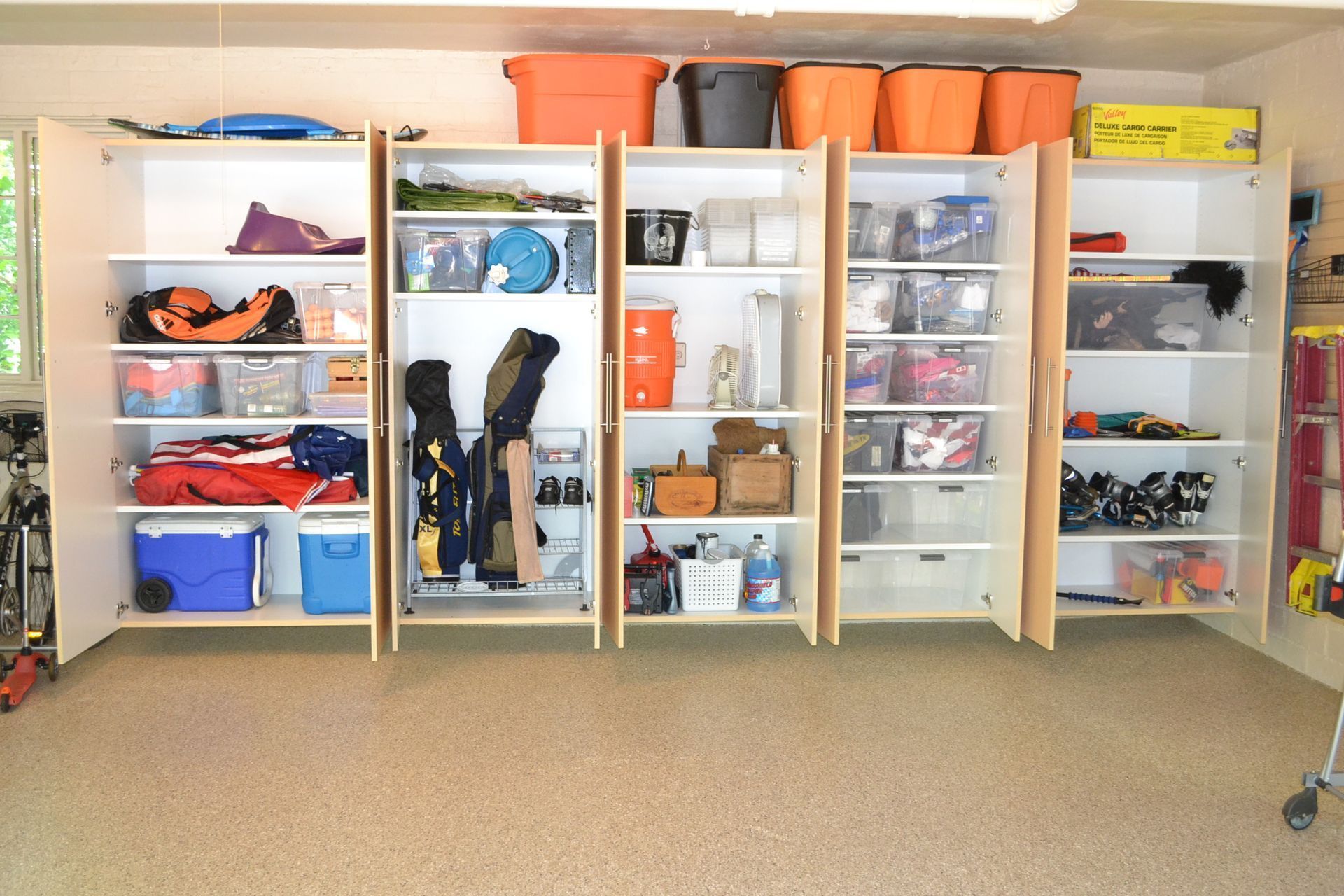
Custom garage cabinets cost in Cleveland varies widely. See what drives the price and why premium powder-coated cabinets beat cheap big-box kits.
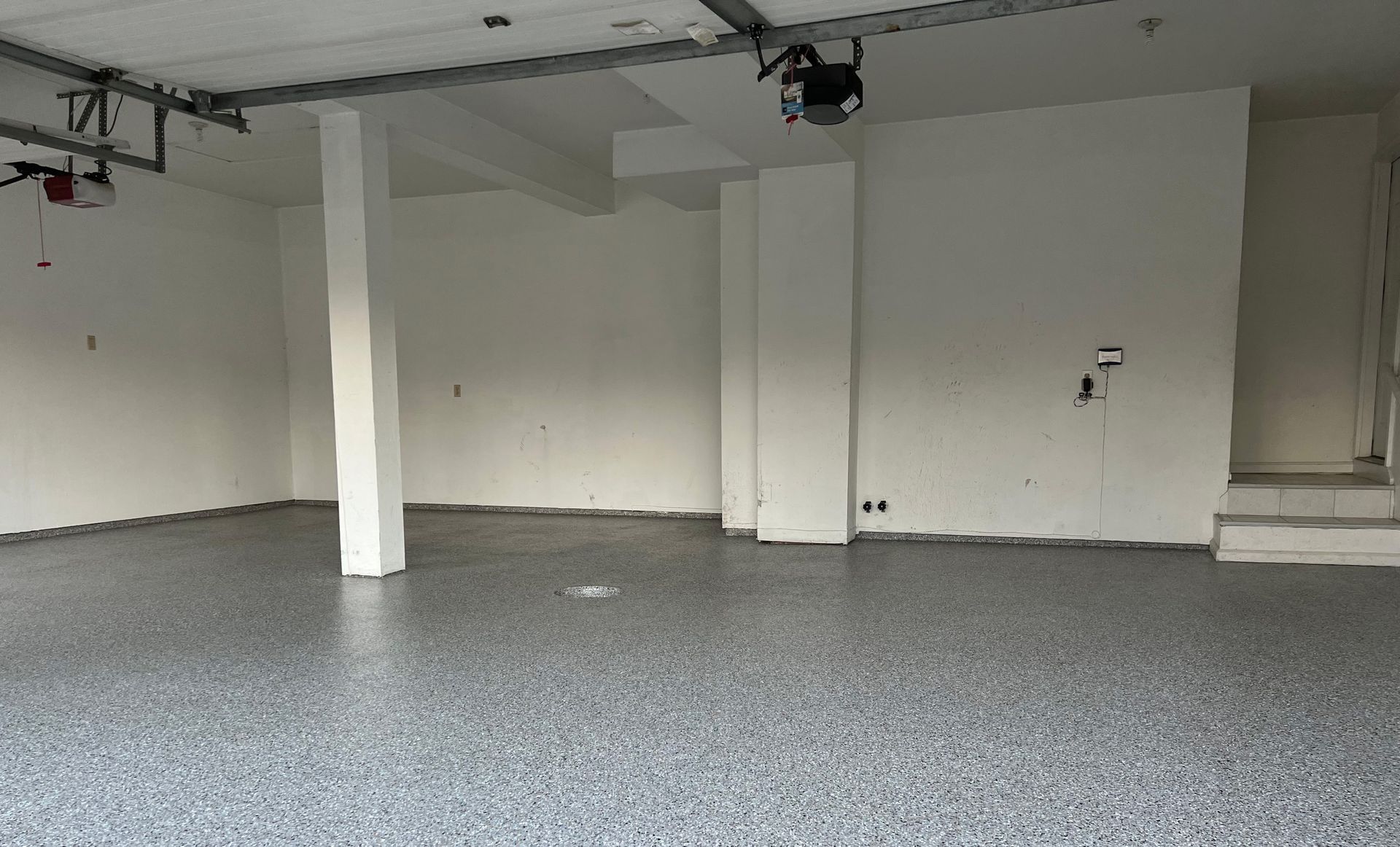
Garage floor prep decides whether a coating lasts or peels. See why Cleveland's diamond-grinding process beats acid etching and cheap DIY kits.
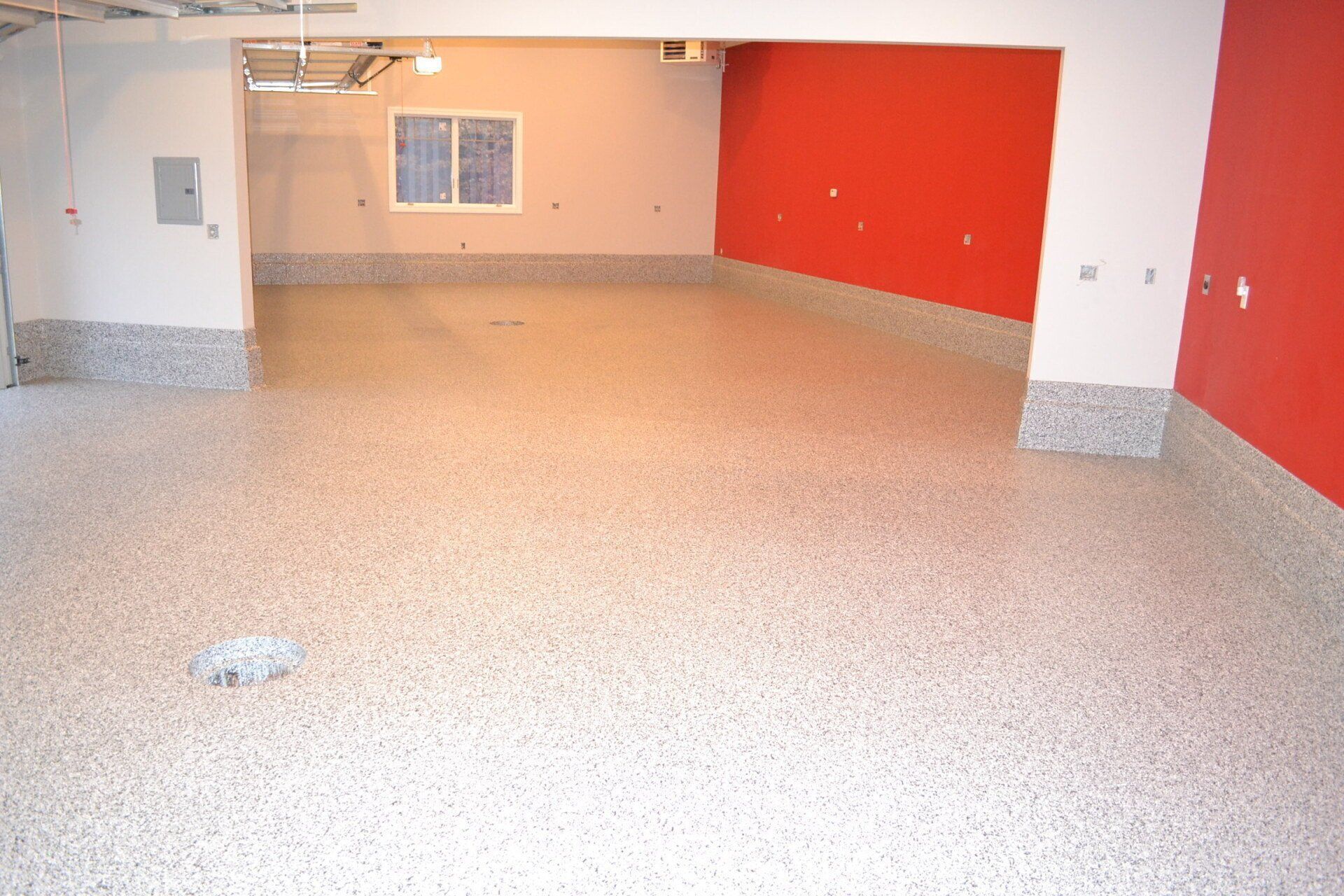
Finished garage ideas built for Cleveland: floor-first sequencing, salt-line design, lighting, and materials rated for unheated, unconditioned garages.
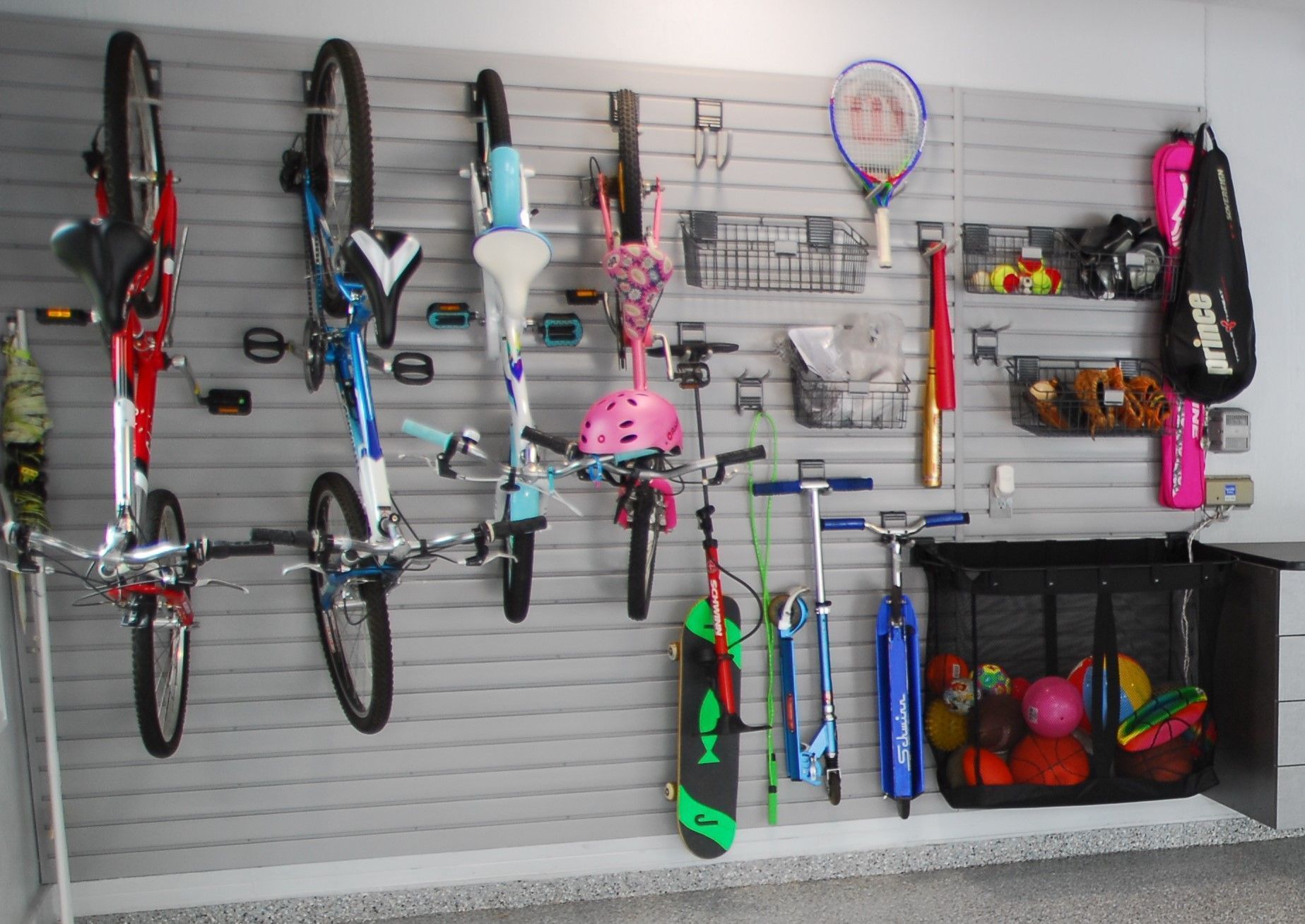
Garage slatwall in Cleveland: what the panels really hold, why drywall anchors fail, and how wall storage gives you back a full lane of floor space.