Garage Gym Flooring in Cleveland: Build the Floor Before the Rack
Most garage gym flooring plans in Cleveland start and end with a stack of horse-stall mats thrown over bare concrete. The squat rack gets ordered first, the bumper plates are on the way, and nobody thinks about the floor until it's too late. We see it every winter. Six months in, the mats have shifted, the concrete underneath is stained and dusty, and every drop of sweat and spilled pre-workout has soaked into the slab. In Northeast Ohio the floor under a home gym has to deal with a lot more than barbells, so every garage gym we build starts with a polyaspartic floor bonded into the concrete.
Rubber mats protect your weights. They do nothing for the concrete underneath them.
The Technical Edge: Two Layers, Two Jobs
Good garage gym flooring has two parts. The whole garage needs a sealed, bonded surface, and the lifting zone needs something soft on top of it to absorb impact. When people expect one product to do both, one of those jobs doesn't get done.
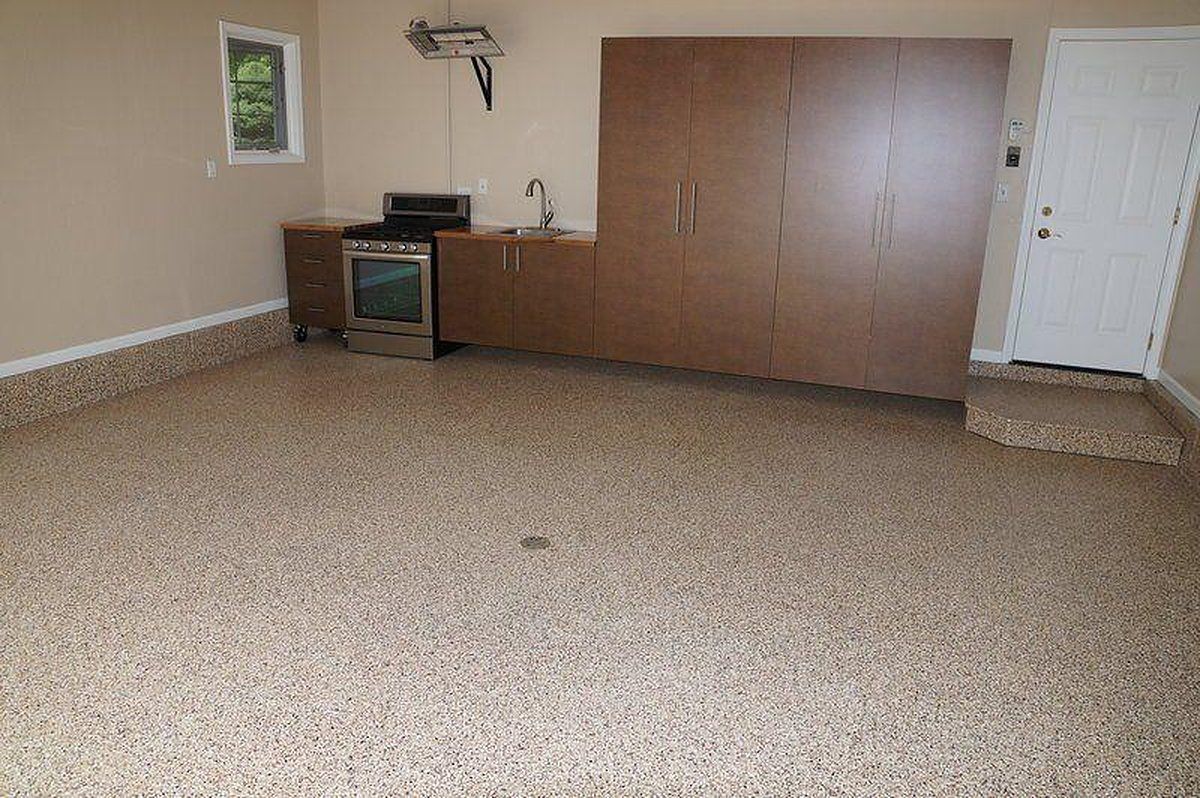
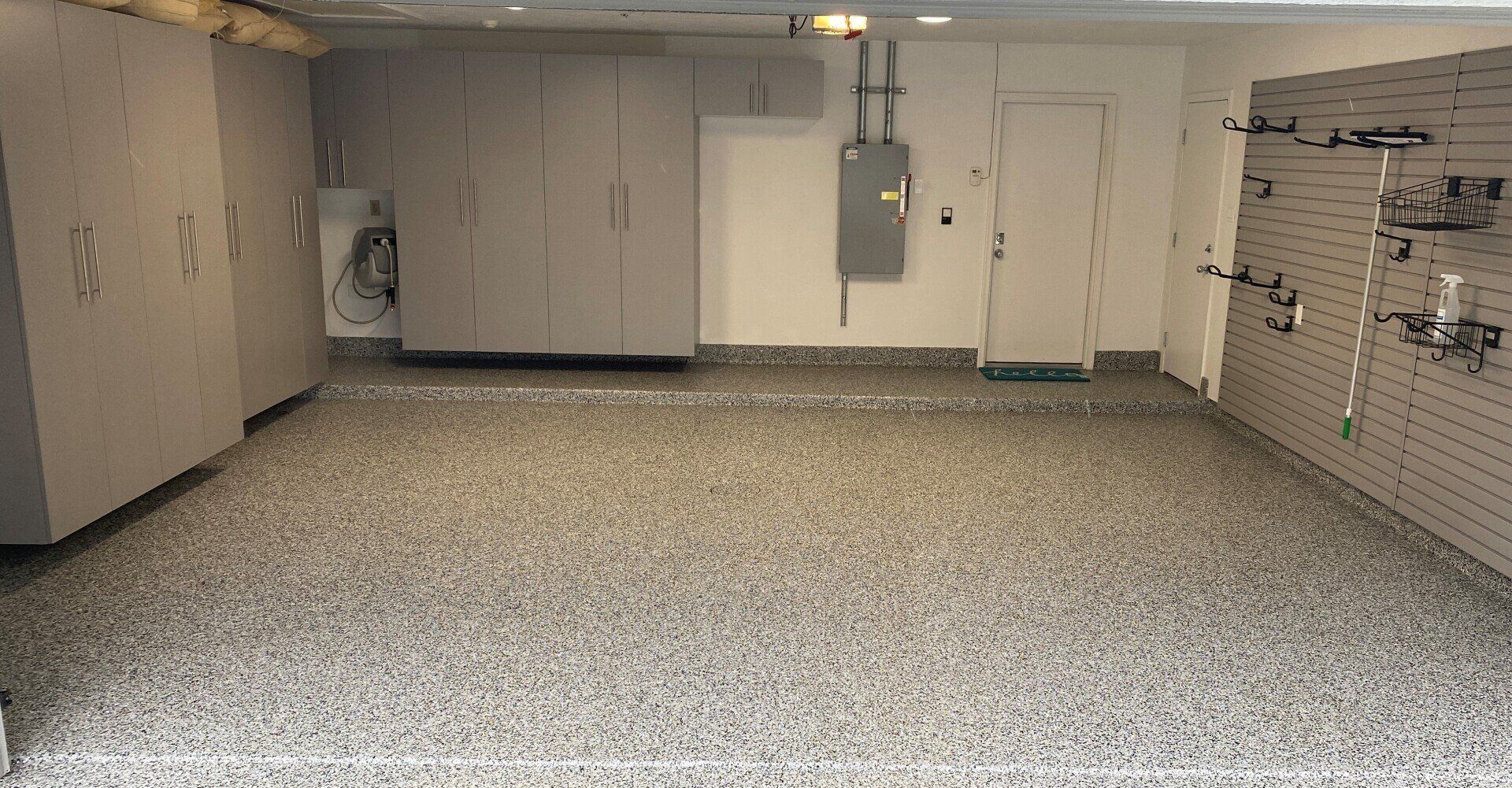
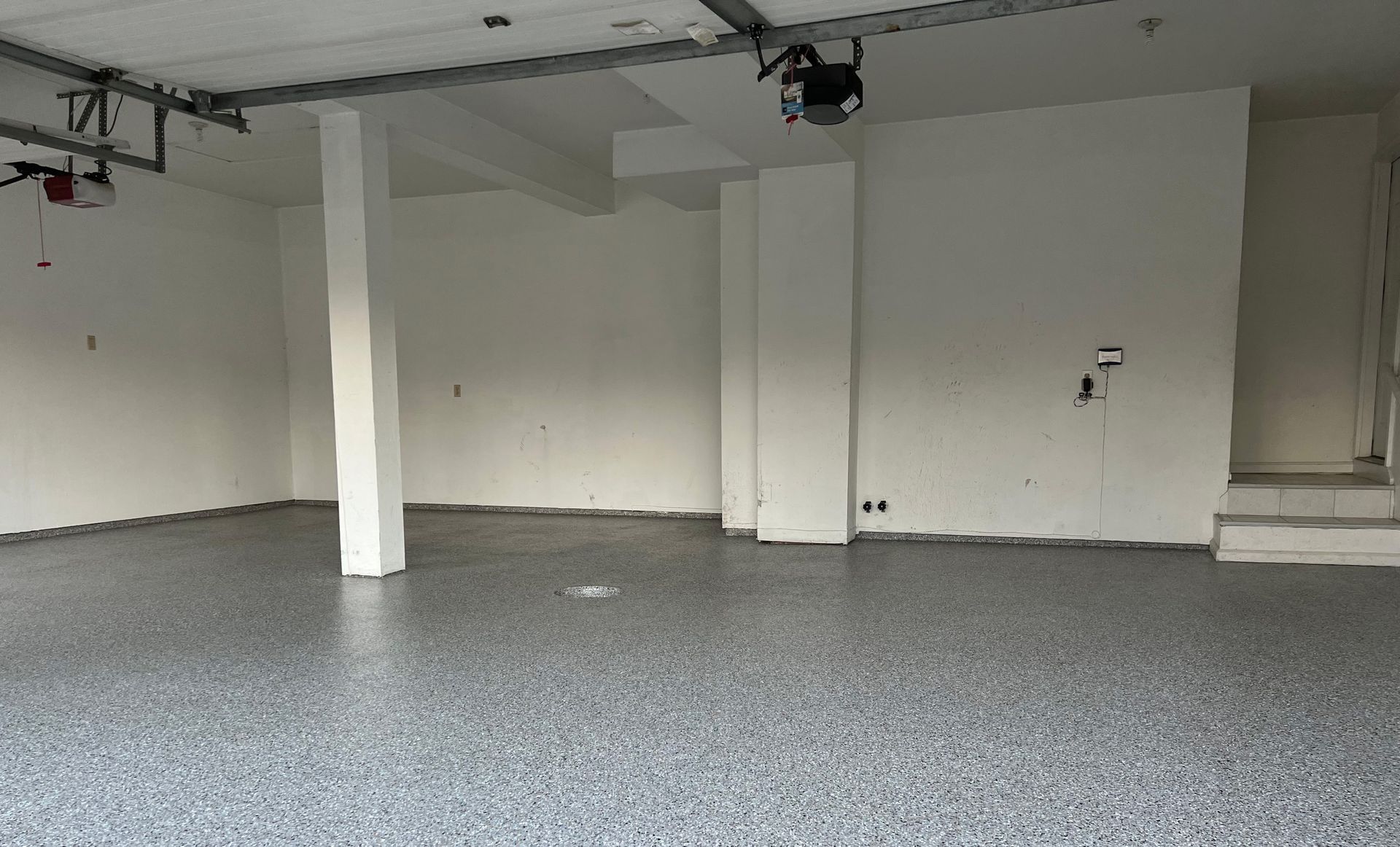
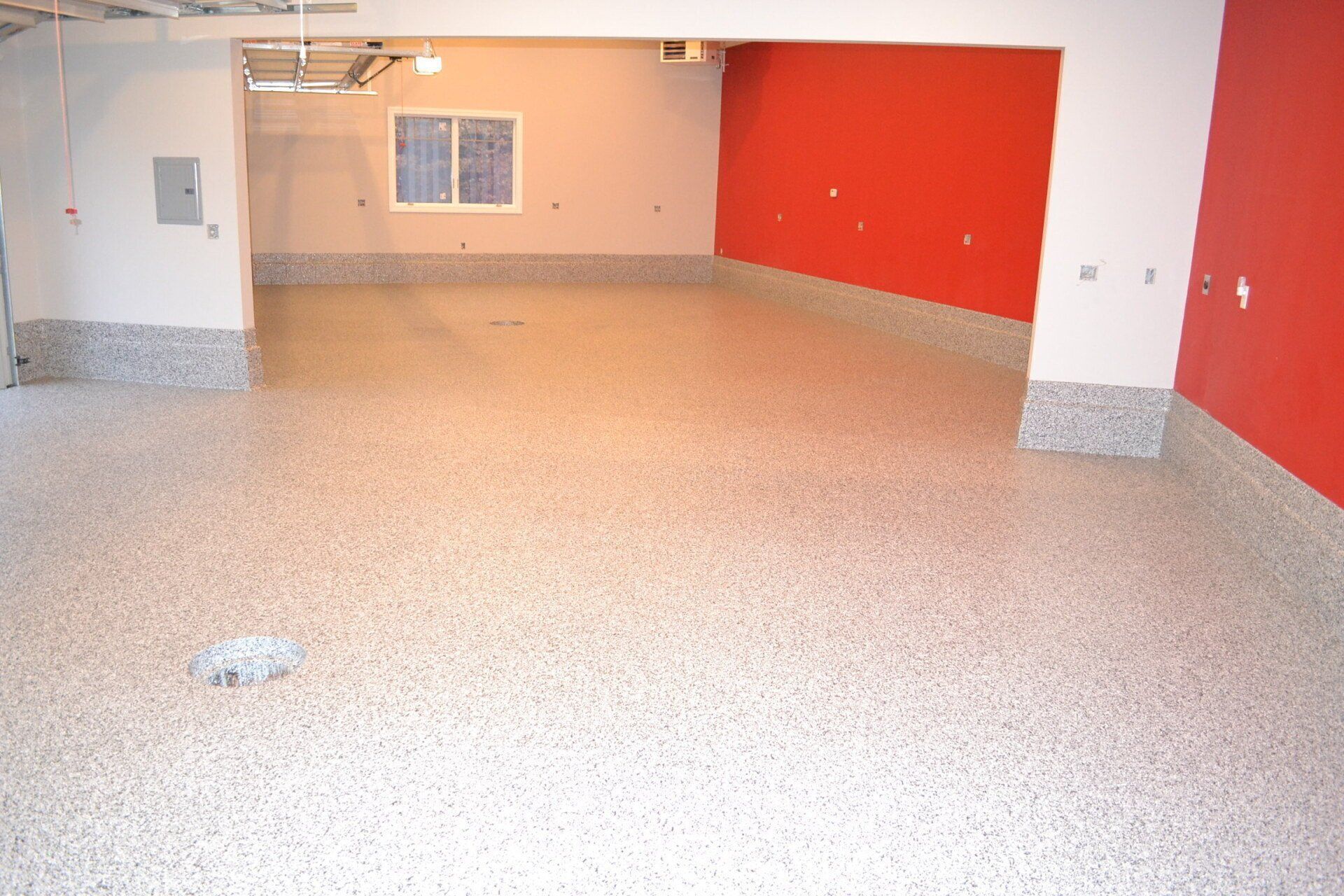
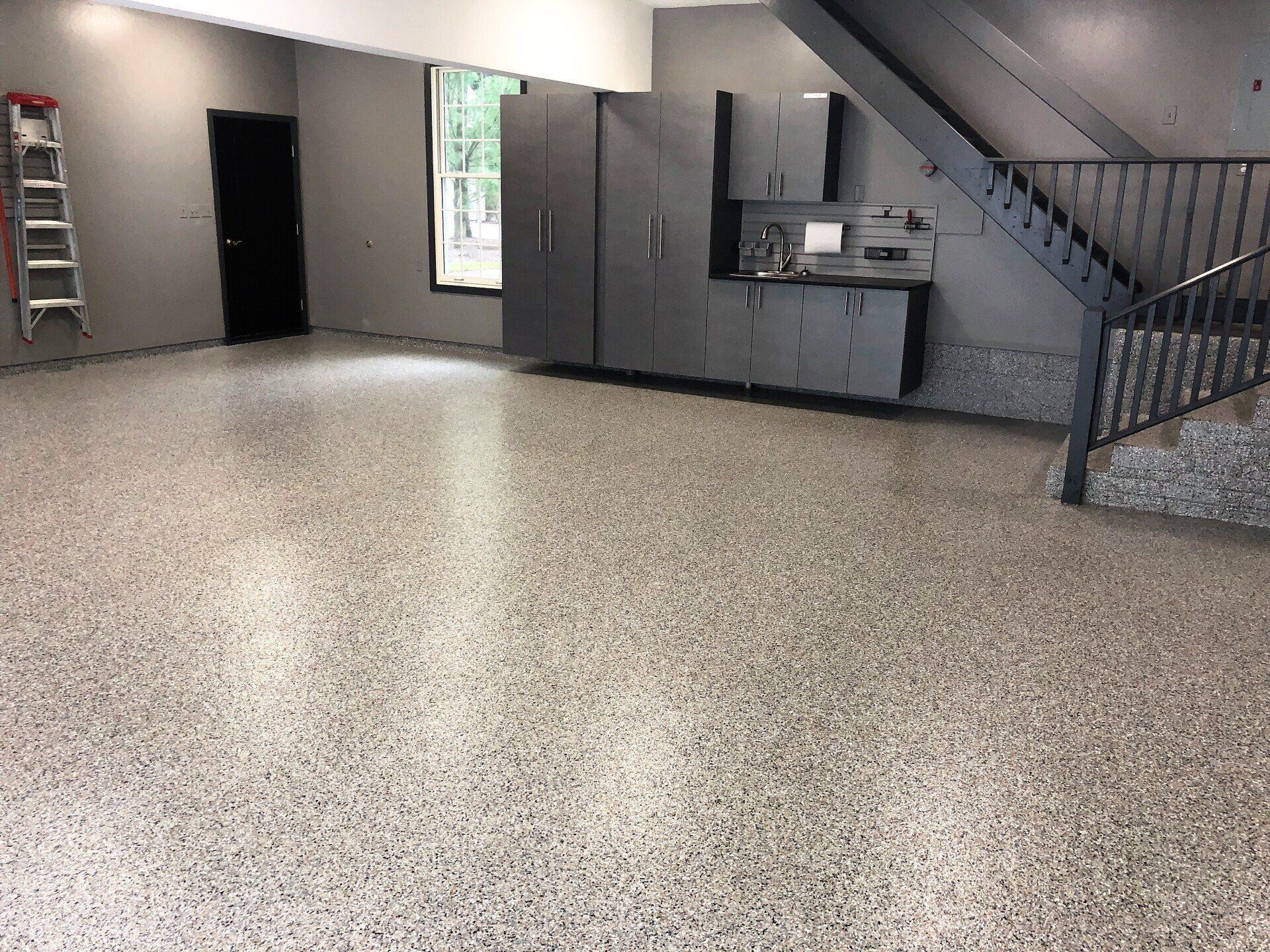
The base: a bonded polyaspartic coating. Bare concrete is porous. Sweat, chalk, cleaning chemicals, and road salt from the car all soak in, and the surface sheds dust every time you drag a bench across it. Our Forever Floor system starts with industrial diamond grinding. Then we apply a proprietary polyaspartic formulation we call Mick's Mixed, which penetrates into the concrete instead of sitting on top of it. You end up with a sealed, chemical-resistant floor that wipes clean and stops dusting.
The lifting zone: rubber where the weight lands. No coating is designed to be the landing pad for a deadlift dropped from the hips, and that includes ours. Rubber mats and lifting platforms exist for that. Put a platform or heavy rubber tiles where barbells hit the ground, and let the coating handle the cardio equipment, dumbbell racks, benches, and the walkway between them.
Why not mats wall to wall? Full rubber coverage traps moisture against the slab. It also hides salt and spills until they've already done damage, and it turns the garage into something you can't park in. In a two-car garage most people want the gym on one side and a car on the other, and a coated floor lets you have both.
Slip resistance. Sweat on a smooth floor will put you on your back. We can adjust the texture of the clear topcoat so it grips under shoes and still mops clean.
The Lifestyle Benefit: A Gym You Actually Use
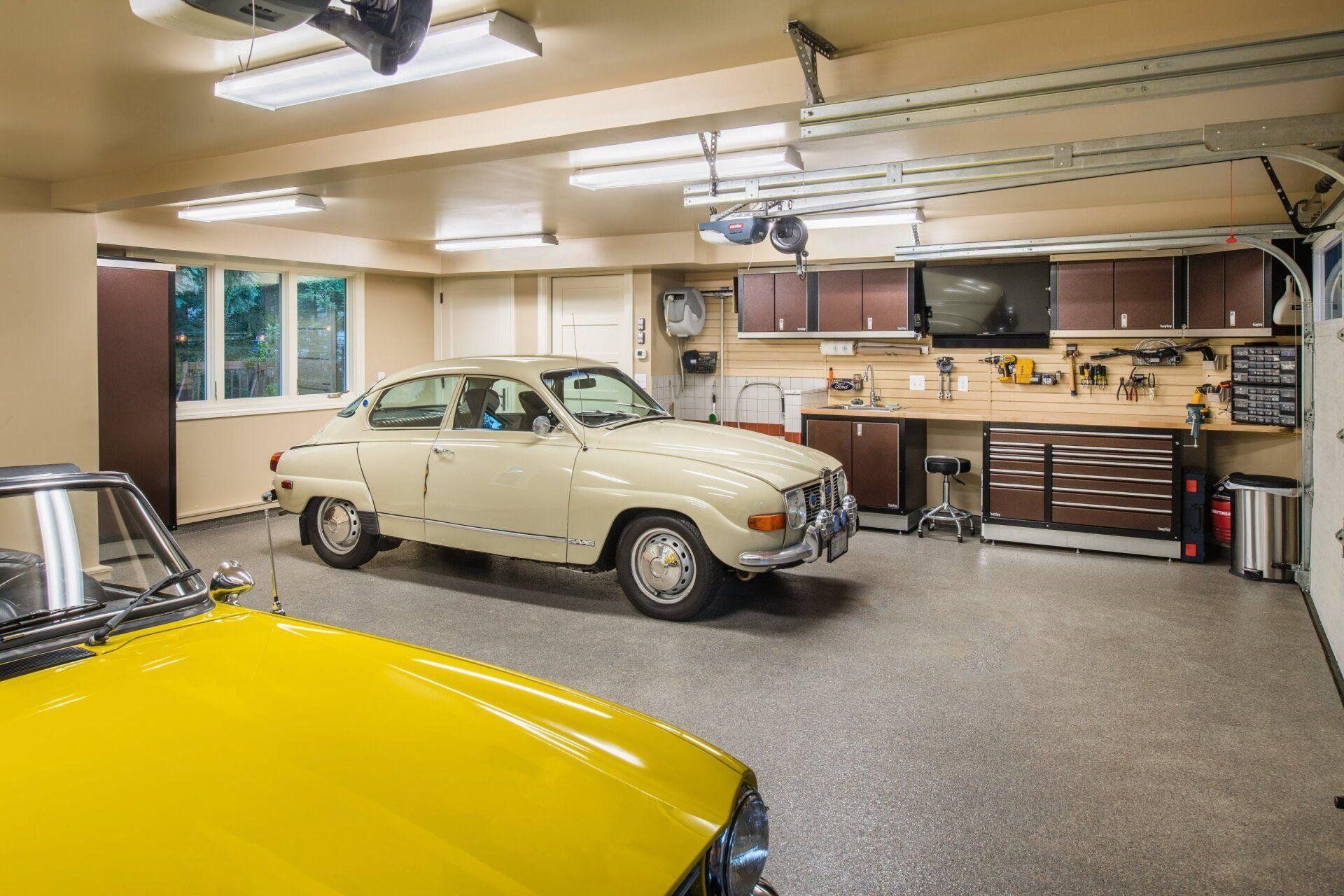
People keep using a garage gym when it feels good to walk into. A bright, sealed floor reflects light and keeps dust off the equipment, so the space reads like a room and not a storage area that happens to have a treadmill in it. If the floor mops clean in five minutes, you're a lot more likely to keep it that way.
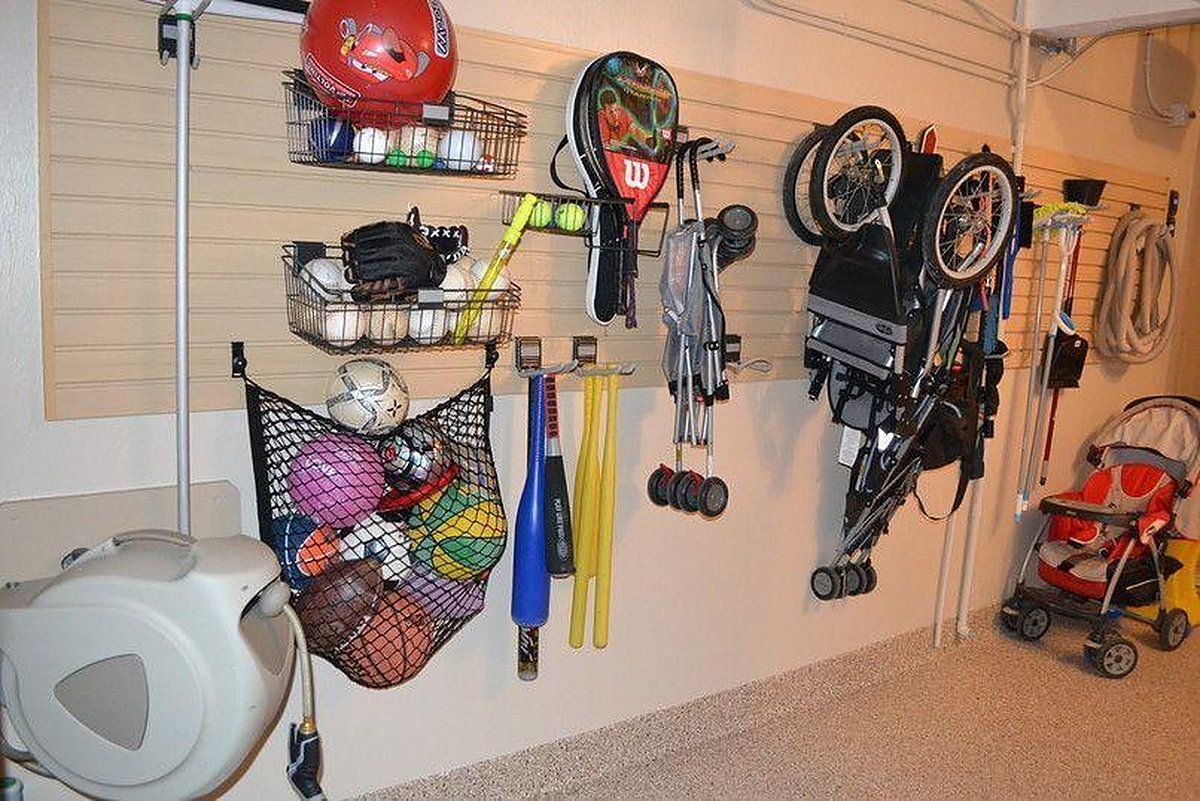
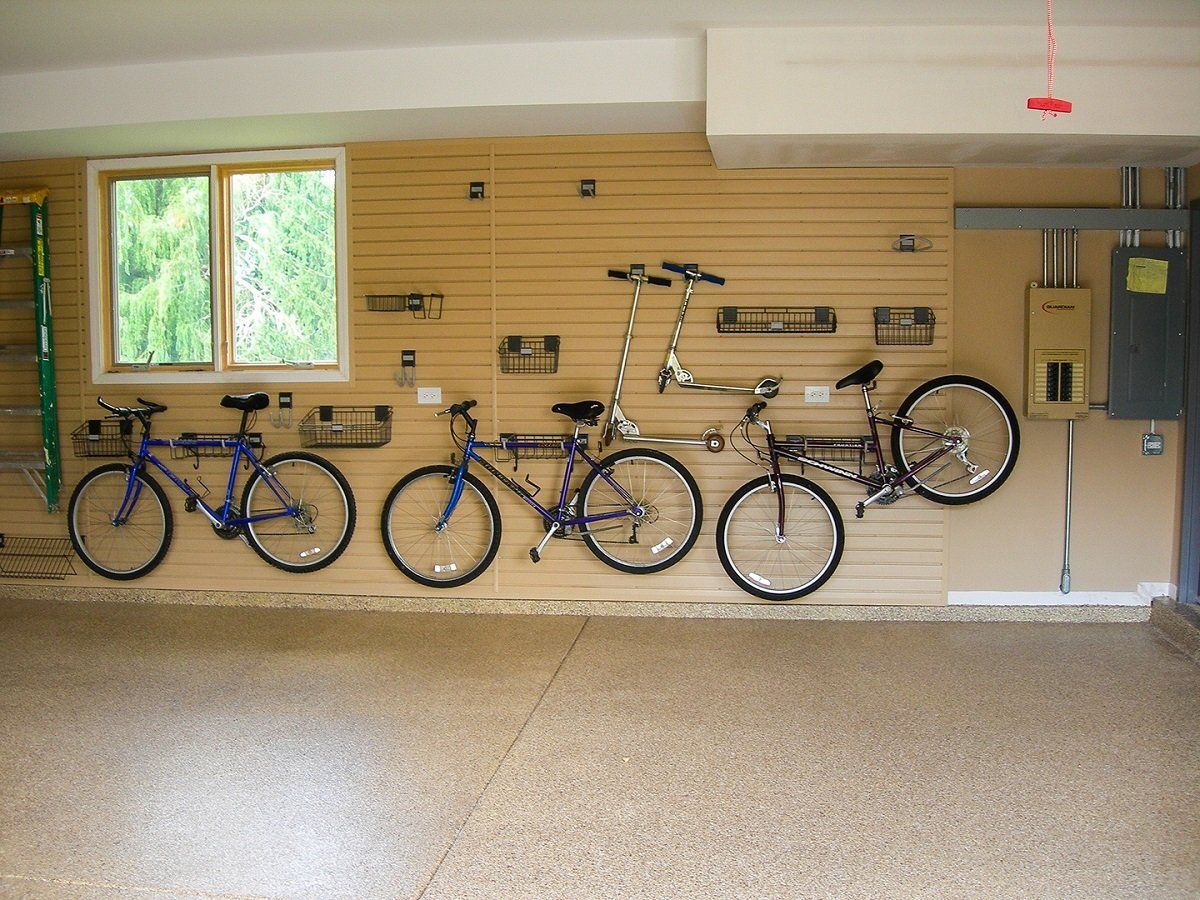
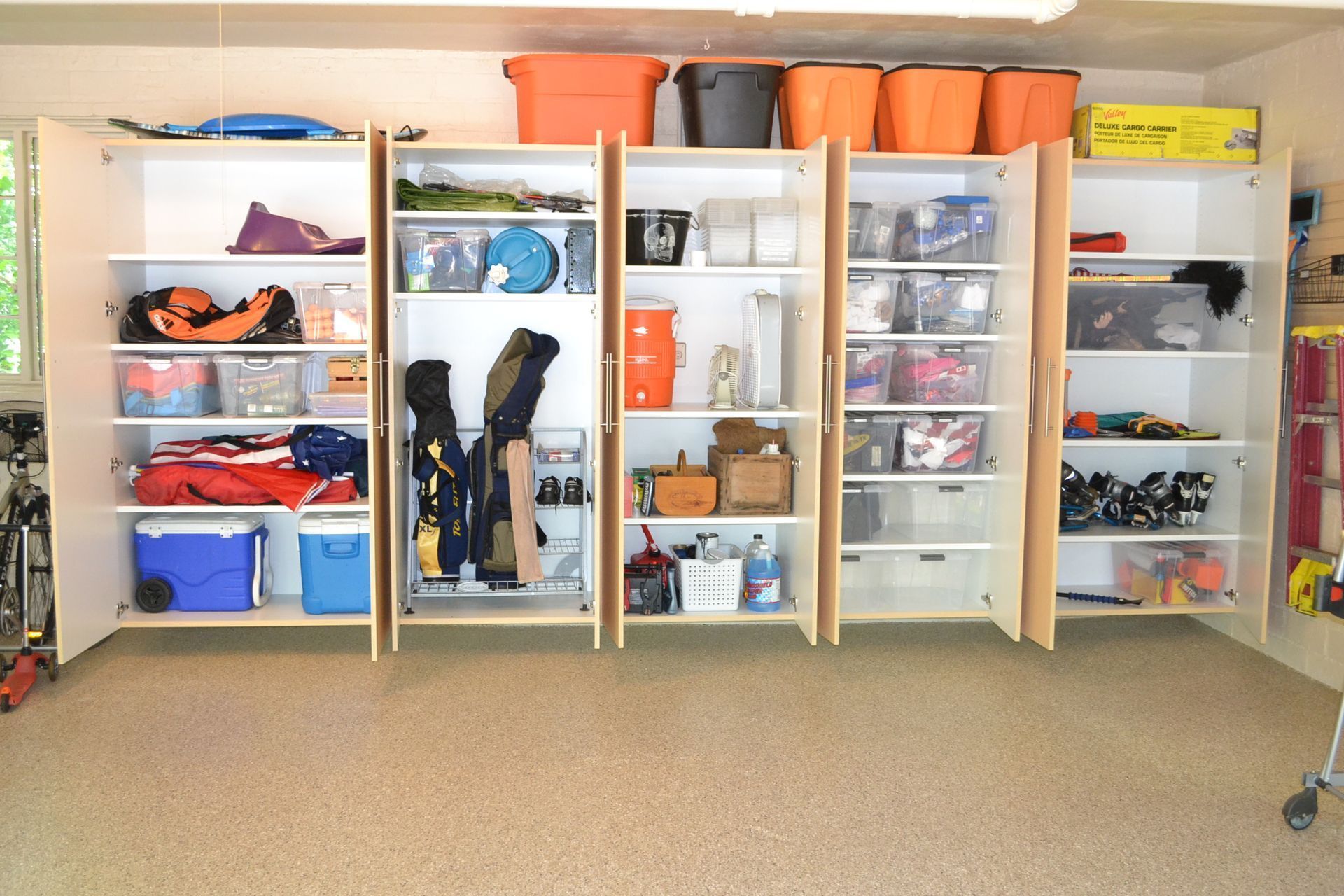
Organization matters as much as the floor. Plates, bands, kettlebells, and foam rollers left on the ground are tripping hazards. A slatwall system gets bands, jump ropes, and smaller gear up on the wall, and closed cabinets keep towels, supplements, and cleaning supplies out of sight. That leaves the floor open for training.
It helps at resale, too. Buyers in Westlake, Strongsville, and Hudson notice a finished garage gym, and it looks great in listing photos. A cracked slab under a pile of loose mats doesn't.
Ohio-Specific Considerations
A garage gym in Cleveland has to make it through a real winter, and so does the floor.
Freeze-thaw cycling. Unheated slabs freeze and thaw dozens of times a season. Mats laid on bare concrete hold water underneath them, and that water does damage every time the temperature drops. On a bonded, sealed floor, the water has nowhere to sit.
Salt brine from the parking side. If a car shares the garage, it'll track brine and slush in all winter. On bare concrete, that salt pits the surface right next to your equipment. A polyaspartic floor keeps it on top, where a squeegee can push it out the door.
Moisture vapor and humidity. Ohio summers are humid, and concrete wicks moisture up from the ground. That's where the musty smell under rubber mats comes from, and the rust on unprotected plates. A sealed floor, closed storage, and a dehumidifier all help keep steel equipment in good shape.
Cold-weather installs. Epoxy needs warmth to cure and polyaspartic doesn't, so we install year-round. Forever Floor goes in in one day. Late fall is a good time to get it done, before the New Year's resolution crowd starts training.
Frequently Asked Questions
What is the best garage gym flooring?
For most home gyms, we recommend a bonded polyaspartic coating across the whole garage, with rubber mats or a lifting platform in the drop zone. The coating seals and protects the concrete, and the rubber absorbs impact where weights land. One product rarely does both jobs well.
Can I drop weights on a polyaspartic floor?
Polyaspartic is highly impact-resistant and holds up to dropped dumbbells and everyday gym use far better than epoxy. For barbell drops from height, always lift on a platform or heavy rubber mats. That protects the floor, the slab, and your equipment.
How long until I can use my garage gym after the floor is installed?
Forever Floor is a one-day install, and we put your garage contents back the next day. Give the coating the full cure time we recommend before you roll heavy racks into place, and then you can train.
The Showroom Finish: Train on a Floor Built for Ohio
Bare concrete and loose mats won't survive many Cleveland winters under a home gym. The garage gym flooring that does is a bonded polyaspartic floor with rubber on top where the weights land. It protects the concrete, it cleans up in minutes, and the room is a place you'll want to train in.
Contact Garage Finisher to schedule a free on-site floor evaluation if you're setting up a home gym. We'll look at your slab, your layout, and your equipment, and design a floor that works for the gym and still works as a garage.