By Mario Salwan
•
March 13, 2026
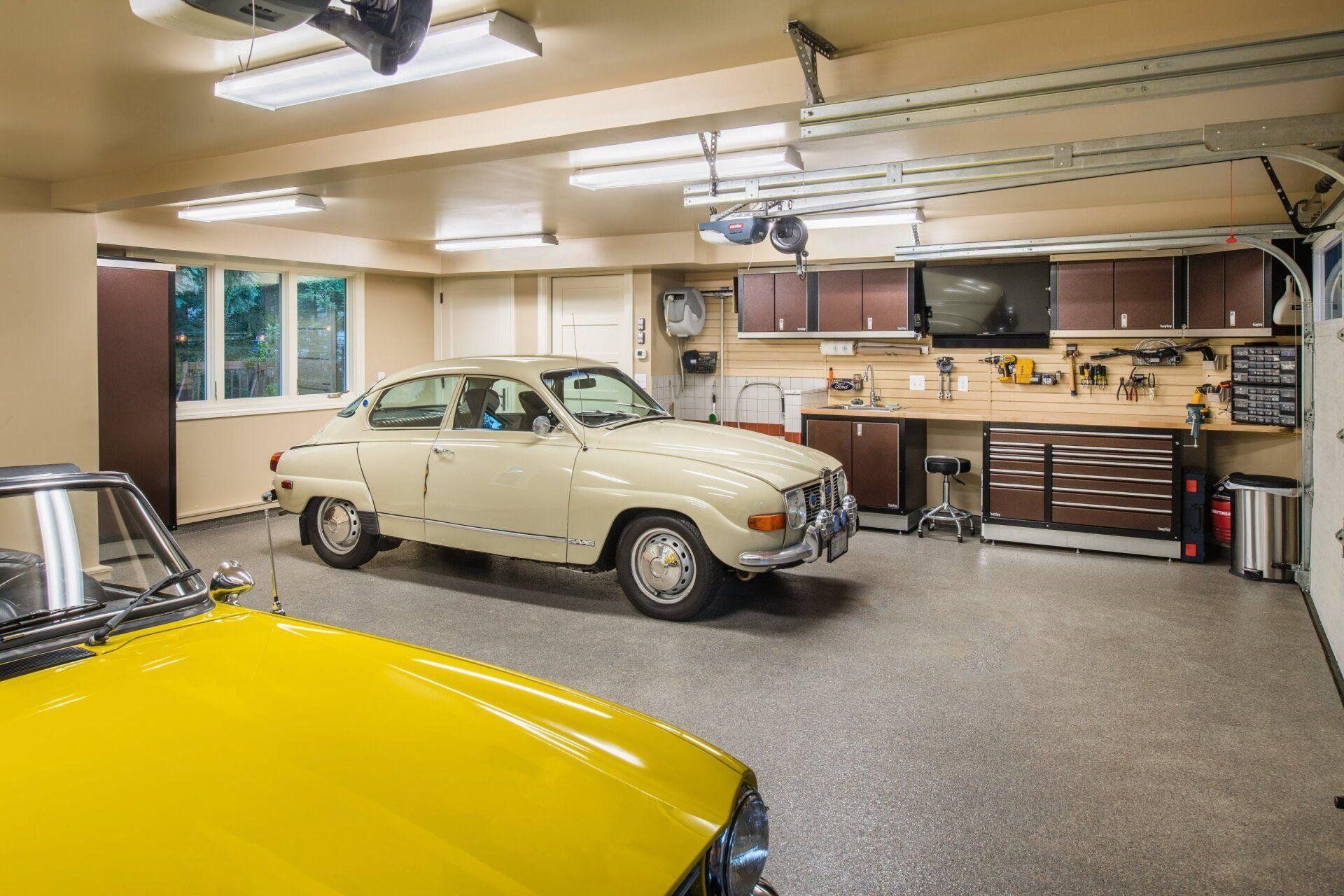
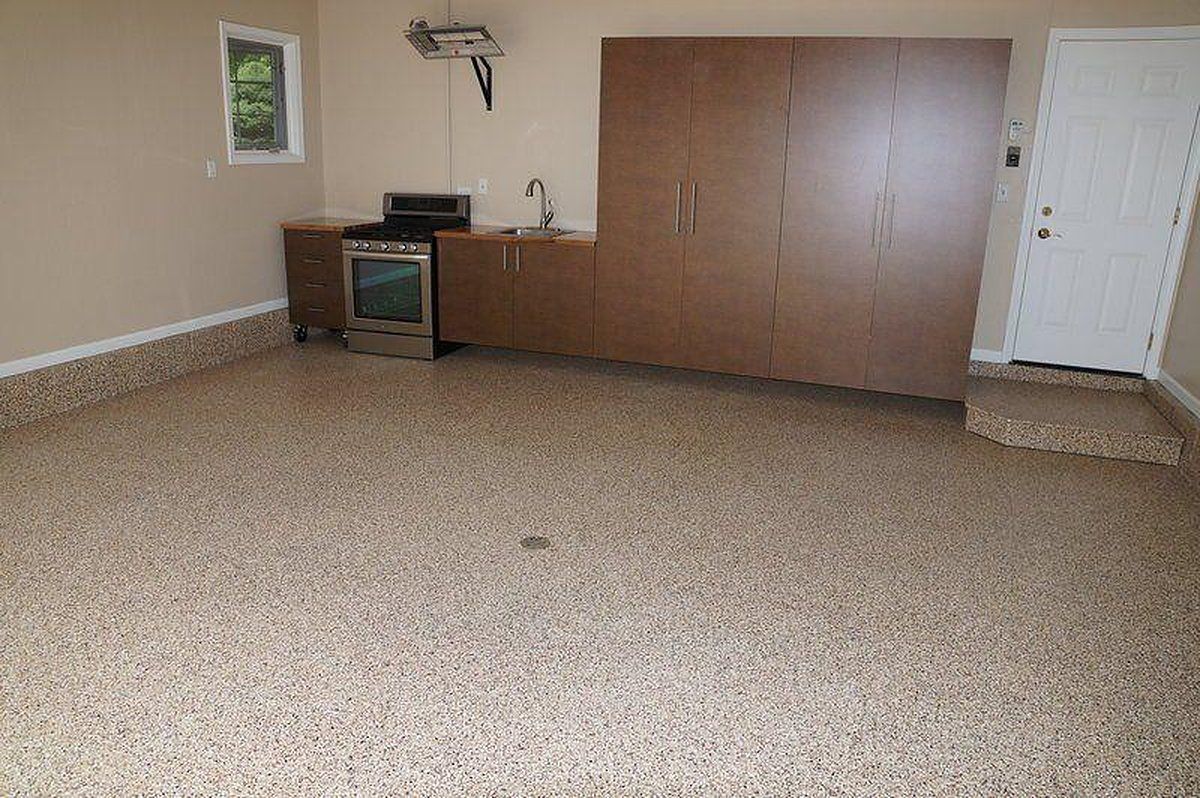
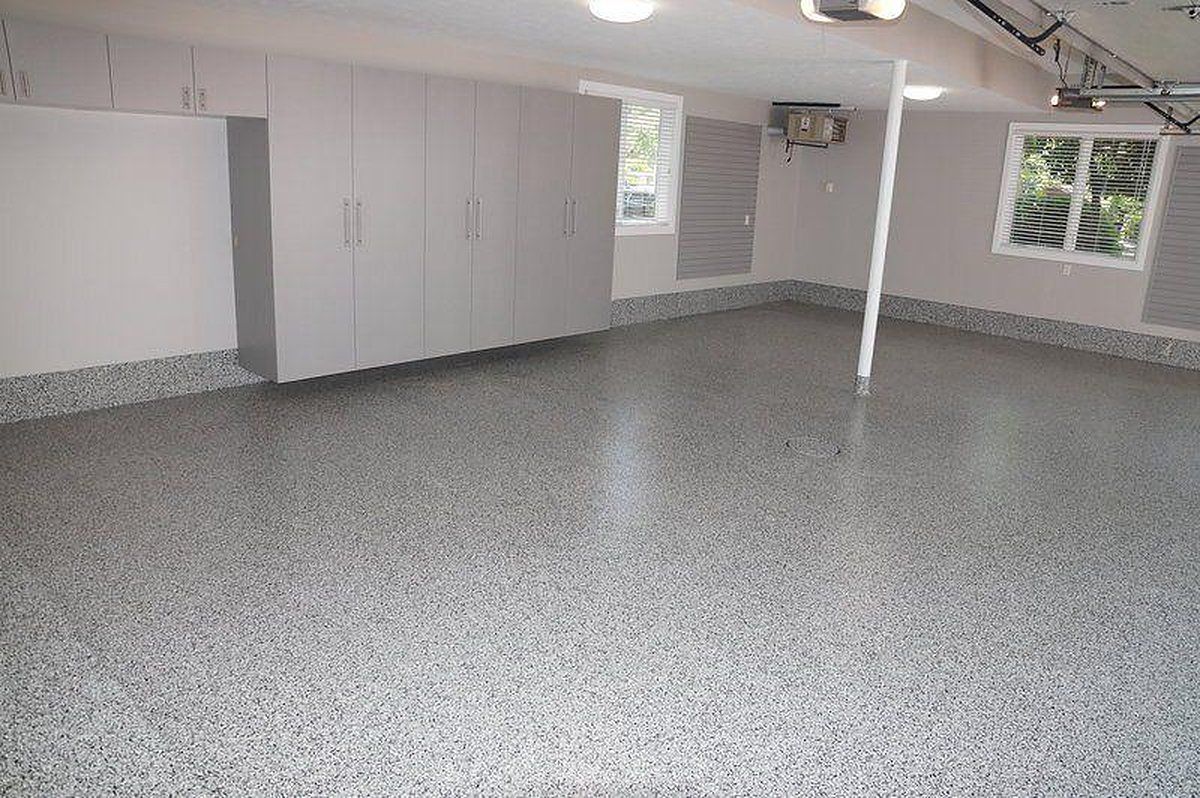
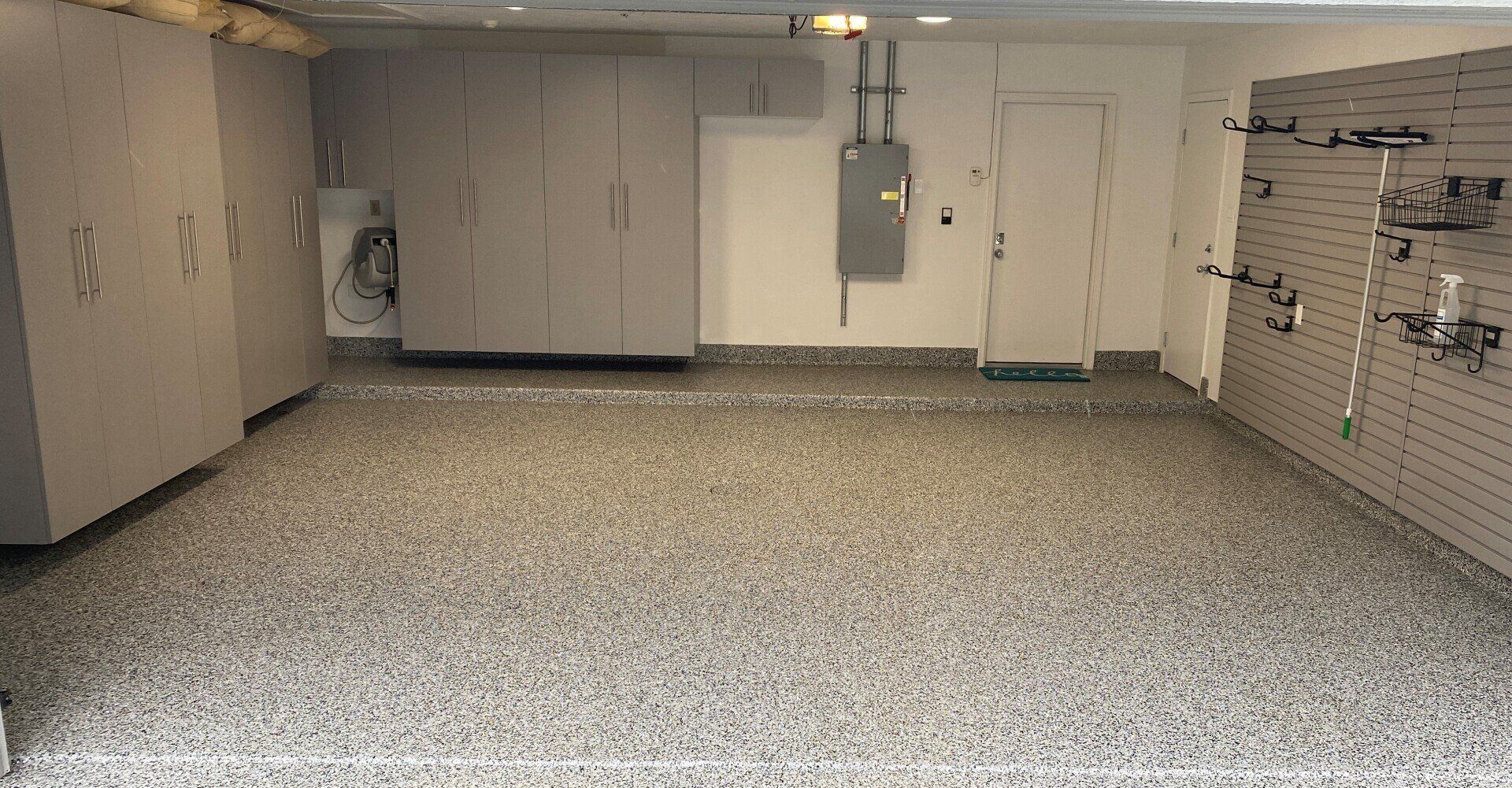
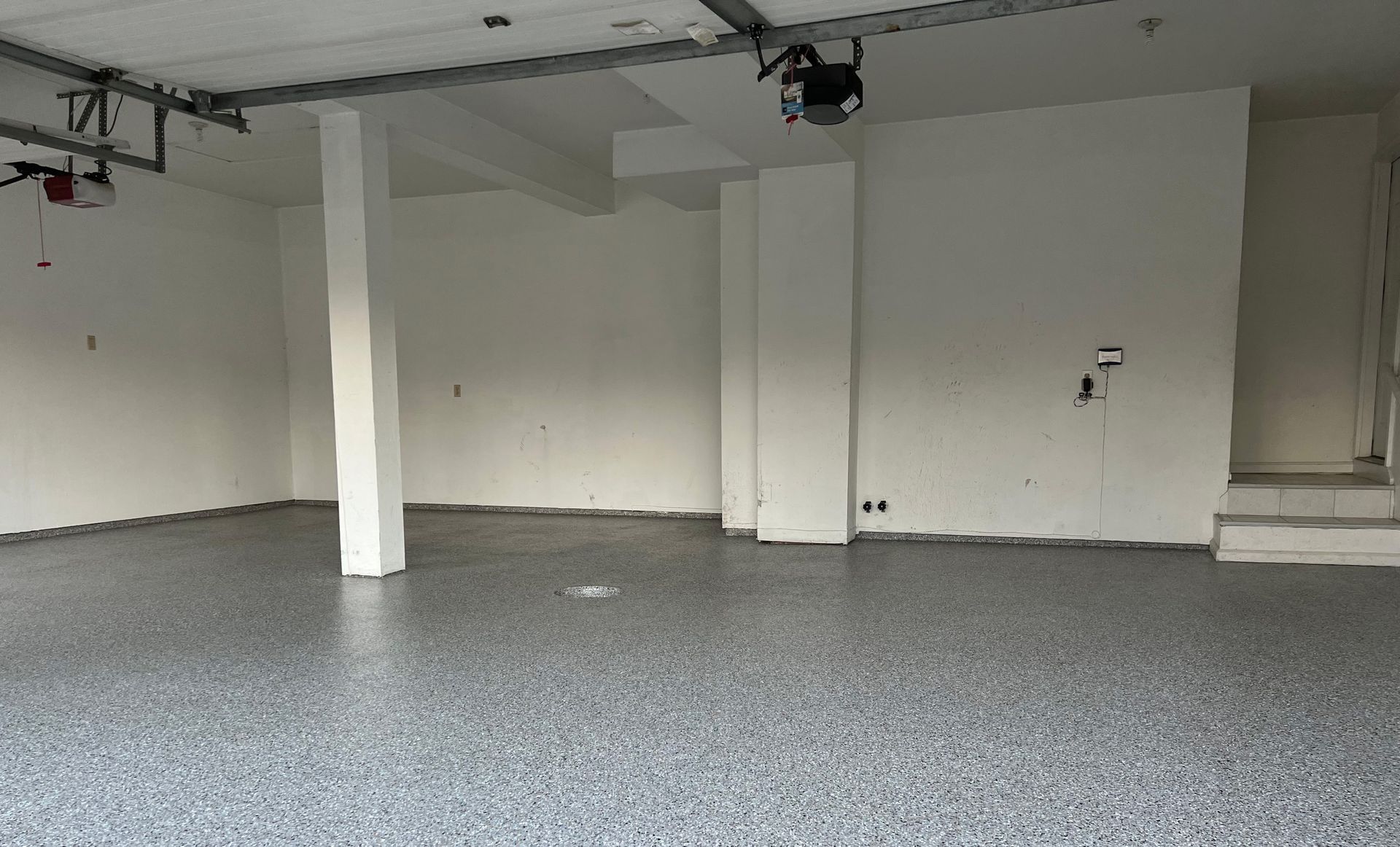
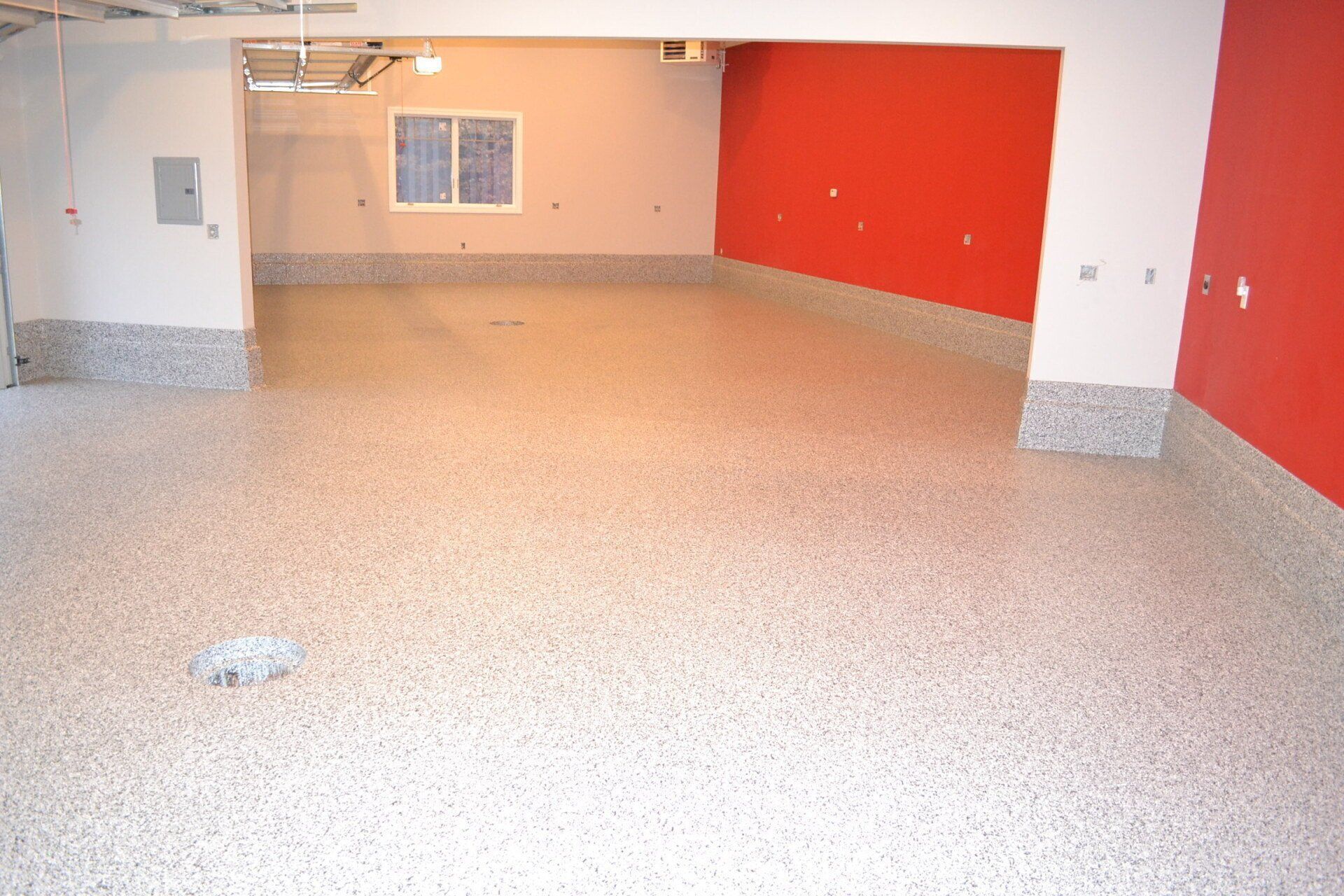
The often-overlooked garage floor can significantly impact your home's value, usability, and aesthetics. Understanding the true importance of garage flooring can enhance your daily living environment and overall satisfaction with your home. This article delves into the surprising ways garage floors matter more than you might think. With the right flooring choice, you can transform your garage from a mere storage space to an integral part of your home. Explore how this often underutilized space can contribute to enhancing home value, usability, health, and style. Concrete Floors: Pros and Cons Concrete floors are the most traditional type of garage flooring and offer a variety of benefits. They are known for their durability and can withstand heavy loads, which makes them suitable for vehicles and storage. However, they can be prone to cracking over time if not properly maintained. Additionally, concrete floors can be cold and uninviting, which might not suit every homeowner's aesthetic preference. Despite these drawbacks, they remain a popular choice due to their affordability and resilience. One major advantage of concrete flooring is its low maintenance requirements. A simple cleaning routine can keep the floor looking good and prevent major issues. However, to improve their lifespan, applying sealants can help protect concrete floors from moisture infiltration, oil spills, and stains. Many homeowners also choose to paint or apply epoxy coatings to their concrete floors to enhance durability and improve the floor's appearance. These enhancements make concrete an even more attractive option for homeowners looking to upgrade their garage floors. According to Cognitive Market Research, out of the $39.9 billion global market revenue in 2025, North America market held 34.84% of the market share. This statistic underscores the region's investment in home improvements, including enhancements such as garage flooring. The Evolution of Garage Flooring Materials Garage flooring materials have evolved significantly over the years. Besides traditional concrete, homeowners now have the option to choose from a variety of materials, including interlocking tiles, epoxy coatings, and rubber flooring. These alternatives not only offer improved functionality and performance but also provide diverse aesthetic options to suit personal tastes. Modern materials can better resist stains, impact, and moisture, making them a practical choice for today's homeowners. The evolution of these materials marks the growing importance of garage spaces in residential living. Interlocking tiles offer a simple and customizable installation process. They come in various colors and patterns, allowing homeowners to create unique designs. Moreover, they provide a softer and more comfortable surface compared to traditional concrete, reducing strain on feet and making garage spaces more user-friendly. Epoxy coatings have also gained popularity due to their glossy finish and durable surface, which resists many common garage hazards. Rubber flooring, known for its resilience and shock absorption, is another versatile choice, especially appealing for its eco-friendly options. Common Garage Floor Types The options for garage flooring have expanded over the years, providing homeowners with a range of choices to meet different needs and preferences. Concrete floors remain a staple due to their durability and low cost. However, epoxy-coated garage floors have gained popularity due to their clean, polished appearance and the ability to resist stains and damage. Interlocking tiles also offer another appealing option, known for ease of installation and design versatility, allowing homeowners to add a personal touch to their garage spaces. Additionally, rubber flooring presents an eco-friendly, noise-reducing alternative, perfect for garages that double as workout spaces or workshops. Each type of garage flooring has its own set of advantages. Epoxy coatings are favored for their durability and effortless cleaning. Meanwhile, concrete garage floors provide easy installation and can be repaired if damaged, eliminating the need for entire floor replacements. With this range of options, homeowners can select a flooring type perfectly suited to their functional needs and aesthetic desires. Initial Installation Considerations When deciding on garage flooring, initial installation considerations can make a significant difference in long-term performance and satisfaction. The choice of material impacts not only the ease of installation but also the durability and cost-effectiveness over time. For instance, while concrete is straightforward to install, it may require repair and maintenance to prevent cracking. Epoxy flooring, although more demanding in the preparation stage, provides a seamless and durable finish. The initial investment in the right installation process and materials can save homeowners considerable time and expense down the road. Professional installation offers benefits that DIY approaches may not, such as ensuring a smoother application and adhering to the manufacturer's specifications. Engaging professionals might involve higher upfront costs, but it frequently results in a long-lasting, high-quality finish. Conversely, DIY installations can be budget-friendly but may compromise the flooring's resilience and aesthetic appeal if not executed correctly. Additionally, professional installers often offer warranties, providing peace of mind against potential issues. Thus, weighing the pros and cons of professional versus DIY installations is crucial in the planning process. Long-term Durability and Maintenance Durability and maintenance are key factors to consider when selecting a garage floor. High-performance materials like epoxy and rubber offer superior durability compared to traditional concrete, reducing the need for frequent repairs. Regular cleaning and inspections can help preserve the look and extend the lifespan of any type of garage flooring. Coatings like sealants or epoxies can enhance resistance to chemicals, moisture, and wear, further reducing maintenance needs. Maintenance requirements vary by material, and choosing a low-maintenance floor can significantly improve the garage experience. For example, epoxy floors are easy to clean and maintain their glossy appearance with minimal effort. Interlocking tiles can be individually replaced if damaged, saving on replacement costs. Rubber flooring often requires only basic cleaning to keep it looking new. Understanding these requirements is crucial to making informed decisions about garage floor management that align with the homeowner's lifestyle and expectations. Ultimately, the right choice for garage floors can elevate both the function and appeal of your home. By weighing materials, installation methods, and maintenance needs, homeowners can create a space that is durable, attractive, and practical. Investing in quality garage flooring today can deliver long-term value, comfort, and everyday satisfaction. Discover the Forever Floor difference. Get started today with Garage Finisher!