Garage Floor Sealer vs. a Real Coating: What Cleveland Floors Need
Every fall, the same supplies show up in Cleveland garages: a gallon of garage floor sealer, a roller, and a plan to protect the concrete before winter hits. By March, the wheel paths are bare again, salt stains have bloomed across the slab, and the job is back on the to-do list. That is not a failure of effort. It is a mismatch between what a sealer is built to do and what a Northeast Ohio garage demands, which is exactly the gap a polyaspartic floor coating was engineered to close.
A sealer protects concrete for a season. A coating system becomes the floor.
The Technical Edge: What a Garage Floor Sealer Can and Can't Do
Most products sold as garage floor sealer fall into two camps. Penetrating sealers soak into the pores and help the concrete shed water, but they add no wear surface and leave the floor looking like bare concrete. Topical sealers, usually acrylic, leave a thin glossy film on top. That film looks good for a while, then scuffs in the traffic lanes, clouds when moisture pushes up from below, and can soften and lift under hot tires, the problem the industry calls hot tire pickup.
Neither type changes how the floor performs. There is no added thickness, no impact layer, and no real bond. The concrete is still doing all of the work.
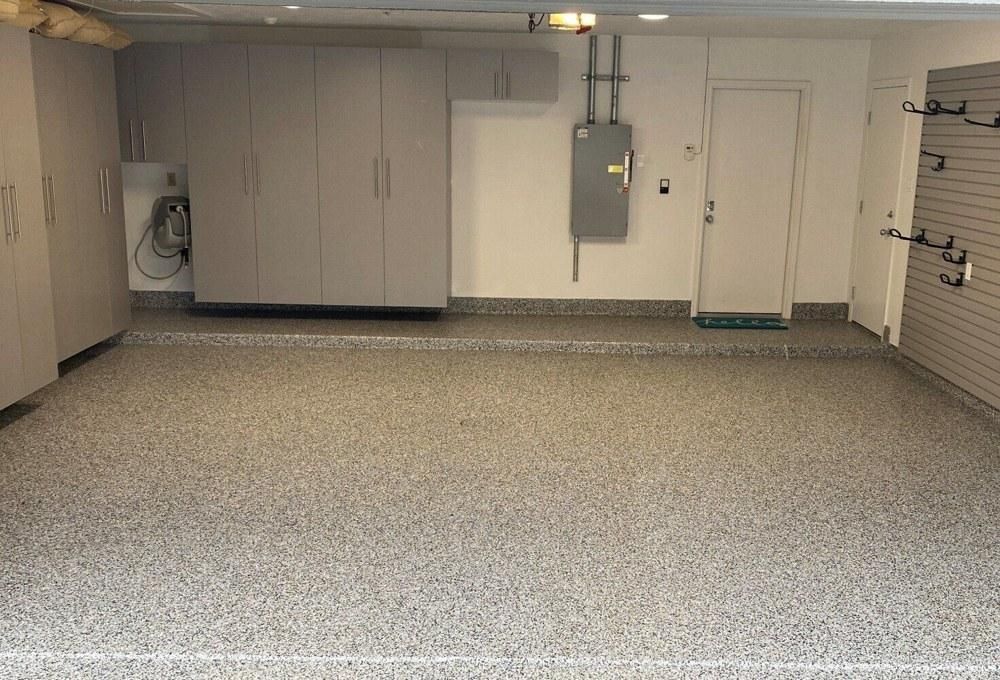
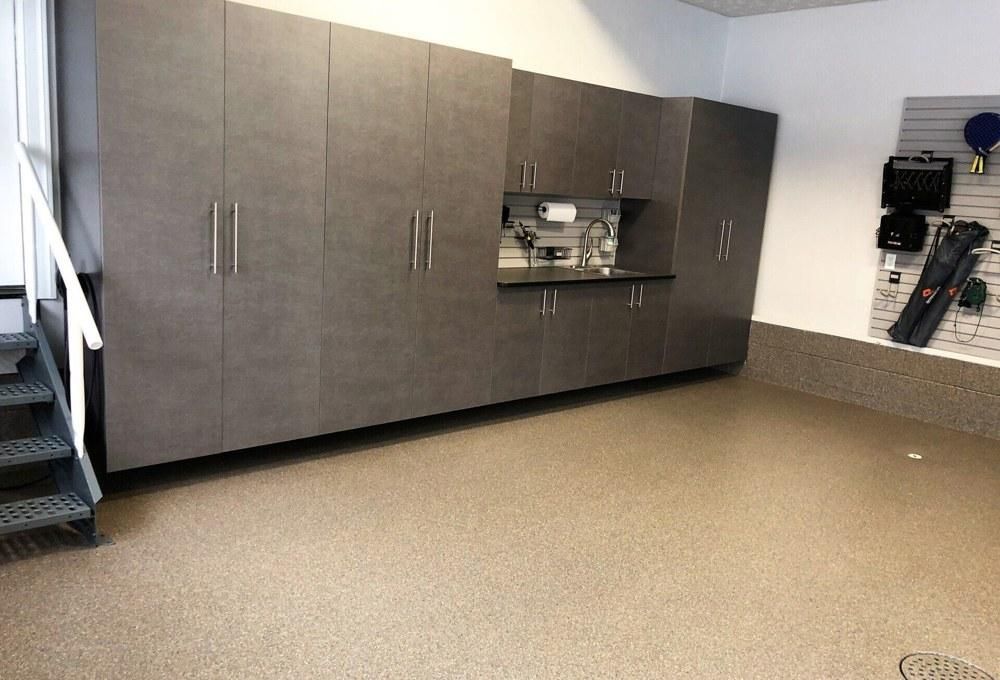
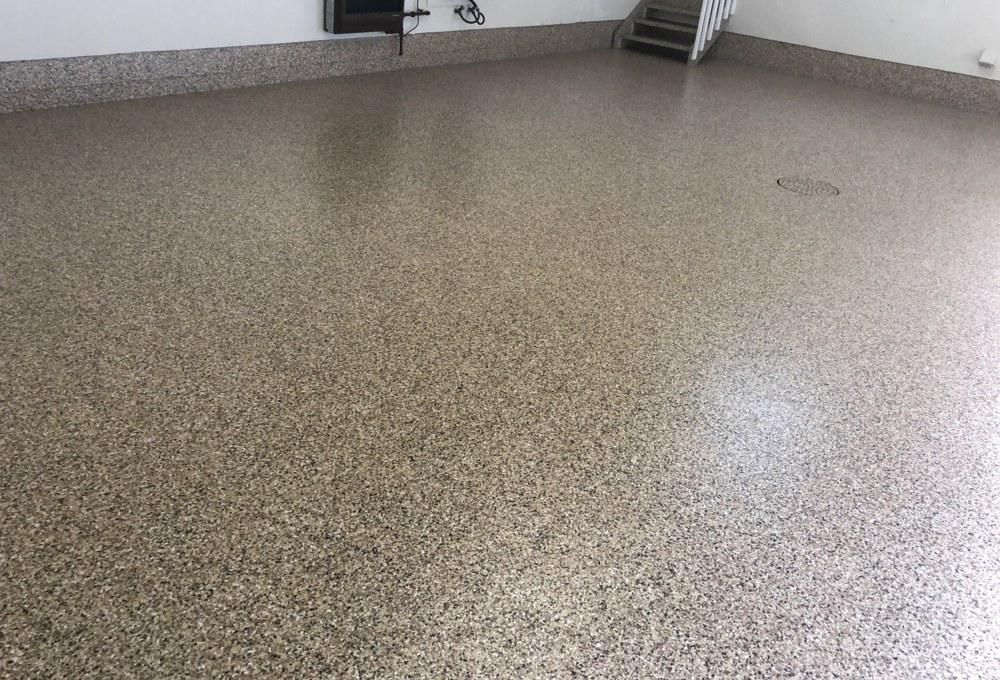
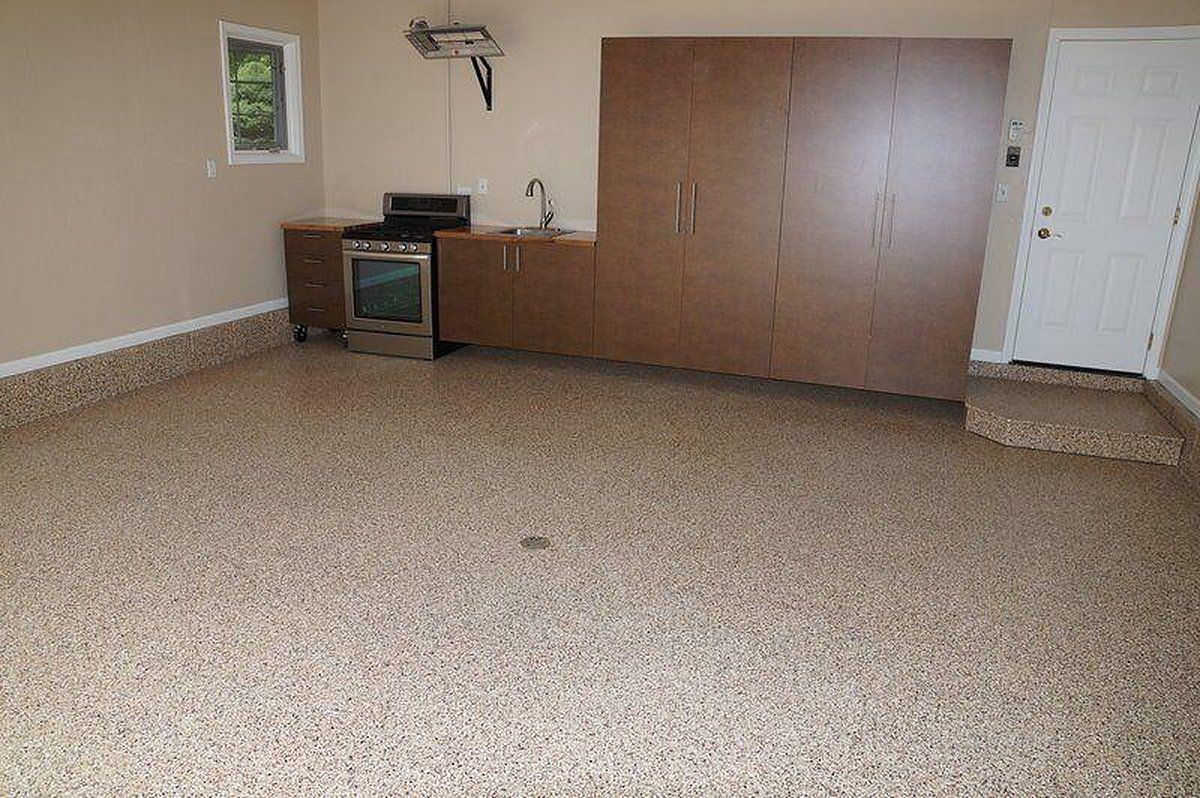
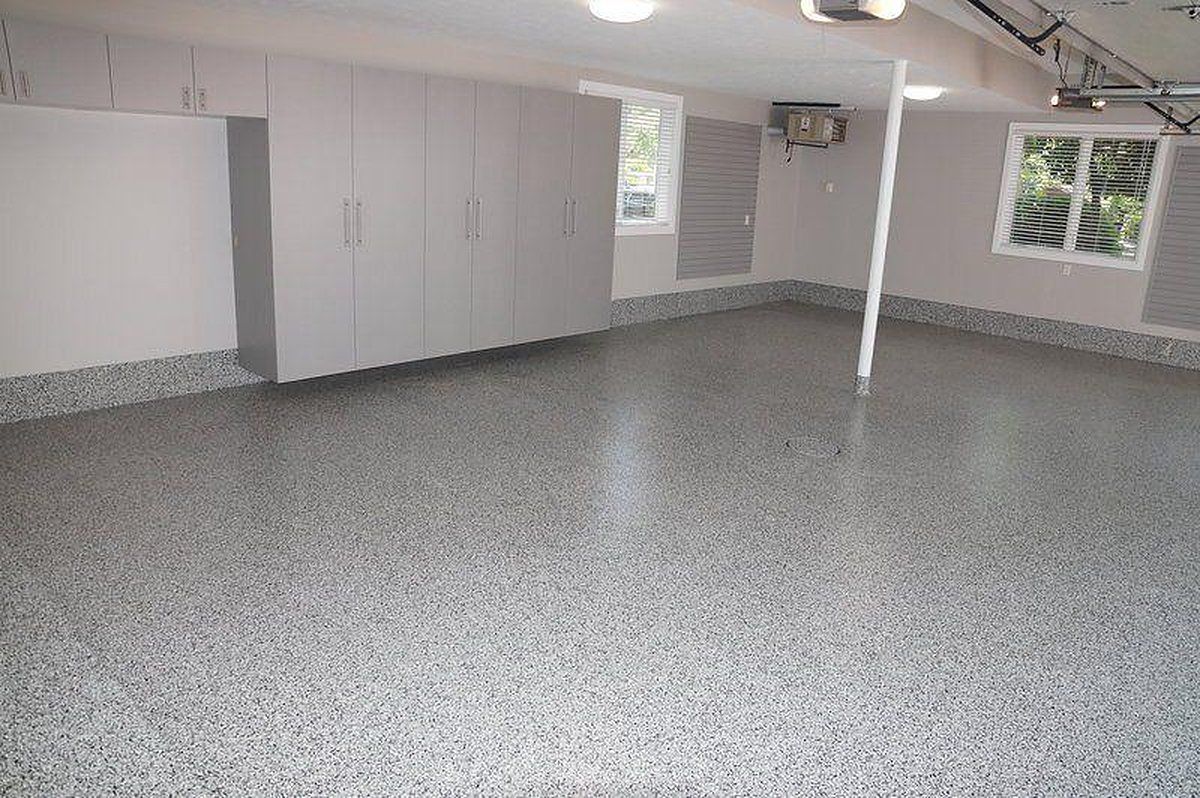
Our Forever Floor takes the opposite approach. The slab is diamond ground, every flaw is filled with fast-curing polyurea, and it is ground again. A proprietary polyaspartic primer then penetrates the concrete instead of resting on it. Over that go a clear coat, decorative chips for impact resistance, slip-resistant beads, and a clear topcoat. Five layers, one permanent bond. If you want the full picture of why prep decides everything, read why garage floor prep decides whether your coating lasts.
The prep gap matters just as much as the product. Sealer is usually applied after a quick acid wash, or no surface prep at all. Acid etching barely scratches the surface and leaves residue behind. Industrial diamond grinding removes the weak top layer, old sealers, and contamination, and leaves a profile the primer can physically lock into. No sealer is designed to use that profile. Our coating is.
Speed is part of the chemistry too. Polyaspartic cures fast enough that our full system installs in a single day. Competitor systems built on an epoxy base often take about five.
The Lifestyle Benefit: One Project Instead of a Yearly Chore
Think about what resealing actually costs you. Every cycle means emptying the garage, cleaning and drying the slab, applying the product, waiting for it to cure, and moving everything back. Do that every year or two and the cheap option stops being cheap.
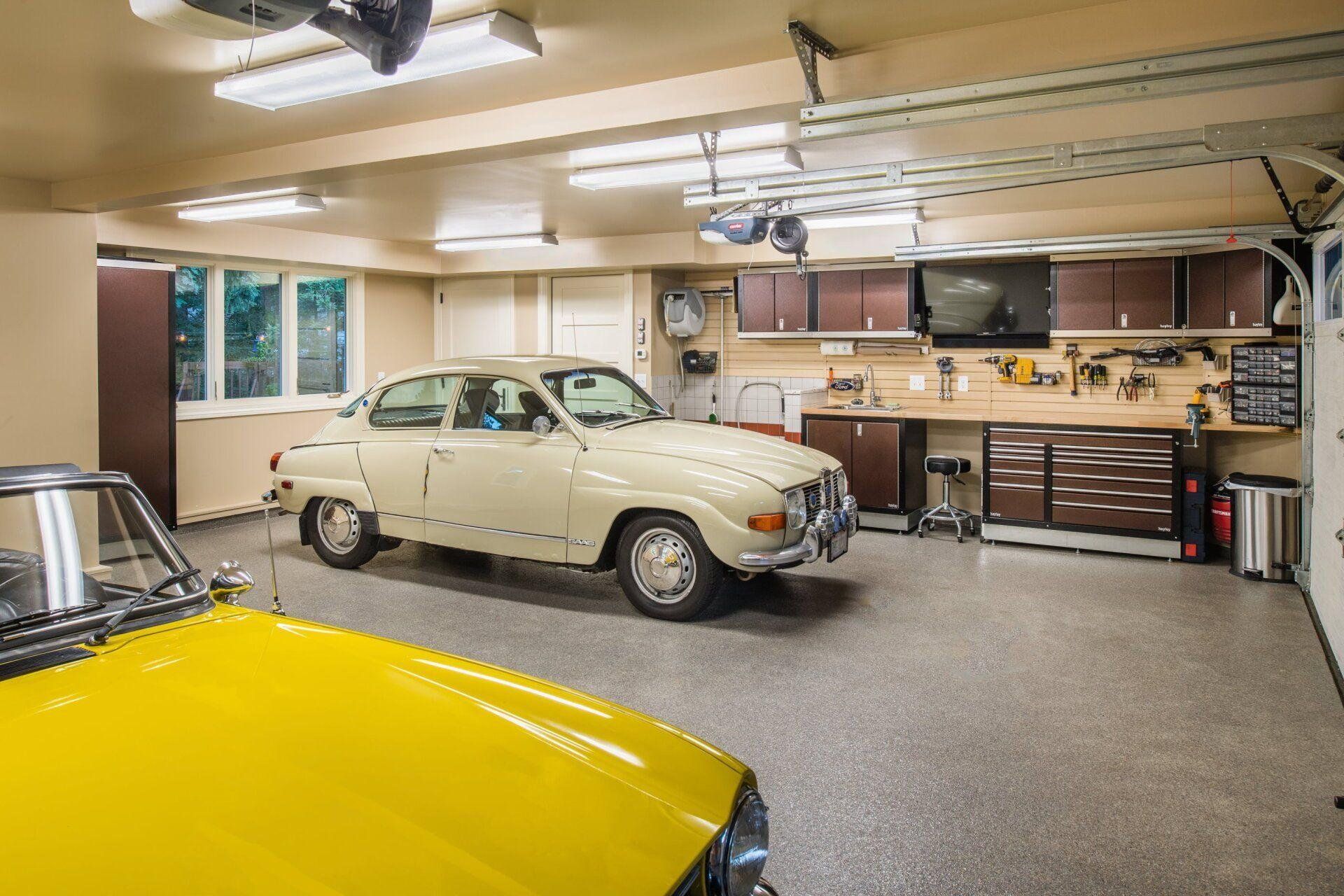
A coated floor changes the daily experience. Oil drips and tire marks wipe up instead of soaking in. Salt rinses off. The surface stays bright instead of dulling a little more each season. And because the Forever Floor carries a transferable lifetime warranty, the next owner inherits that protection, which makes your garage a selling point instead of a punch-list item.
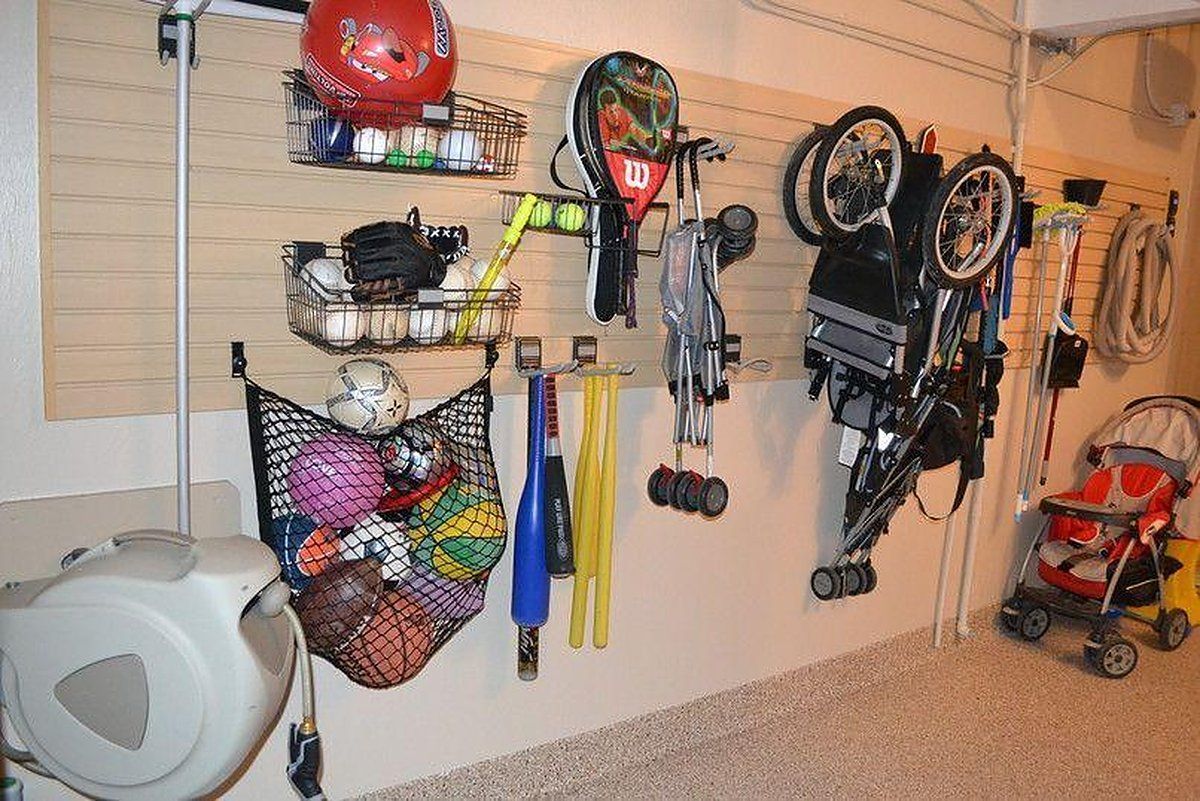
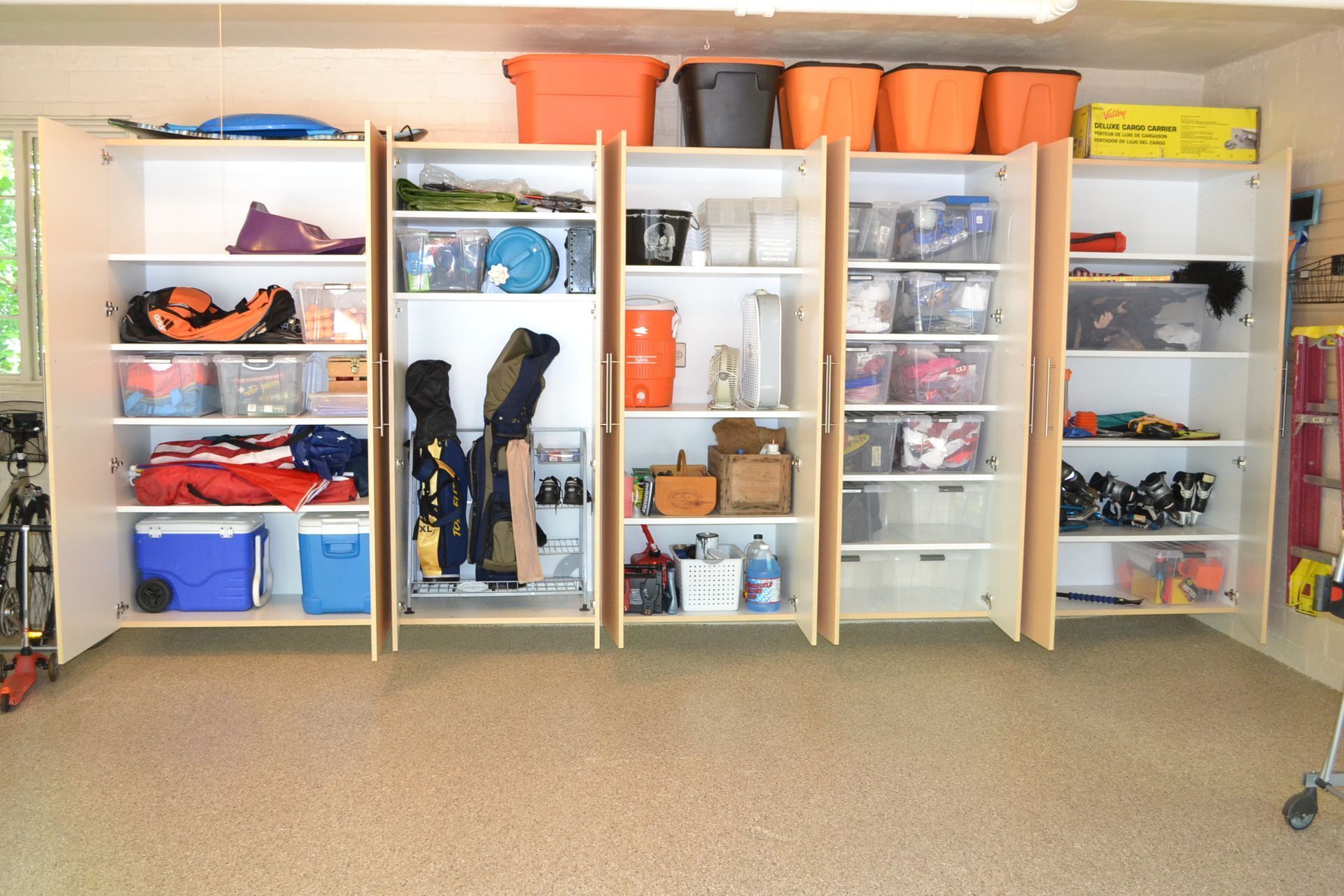
It also changes what the garage can become. Custom cabinets and slatwall look out of place on raw or sealed concrete. On a finished floor, they look like they belong in the house.
To be fair to sealer, it has a place. A bare, sound slab in a shed or a utility area, where looks do not matter and nobody is parking a car, is a reasonable candidate. The garage you walk through every single day is not.
Ohio-Specific Considerations
Salt brine and chlorides. Ohio road crews rely heavily on salt brine, and every car carries it home. On a sealed slab, the film wears first in the tire lanes, exactly where the brine lands. Once it is through, chlorides move into the concrete and start doing damage you cannot see until the surface flakes.
Freeze-thaw spalling. Water that works into the top of the slab freezes, expands, and pops off the surface layer. A thin sealer slows that down for a while. A bonded coating keeps the water out.
Moisture vapor. Garage slabs across Northeast Ohio carry moisture, and humid summers push it upward. That vapor is what turns many topical sealers cloudy or blistered. We evaluate your slab before we promise anything.
Year-round installation. Our polyaspartic cures in almost any temperature, so a failing floor does not have to wait for spring.
Frequently Asked Questions
Can you coat over the sealer I already applied?
Not directly, and nobody should. Any existing sealer has to come off during diamond grinding so the primer can bond to clean concrete. That step is already part of our prep.
Is a coated floor slippery when it is wet?
Our system includes clear slip-resistant beads broadcast into the floor, so it keeps its grip with snowmelt on it. It is designed to be safe to walk on when wet.
Will a coating handle hot tires better than sealer?
Yes. Thin topical films are the classic victims of hot tire pickup. A fully bonded, multi-layer polyaspartic system is built for the heat and weight of daily parking.
The Showroom Finish: Stop Resealing Your Garage Floor Every Fall
If your garage floor sealer keeps letting you down, the problem is not the brand or how carefully you rolled it. It is the product category. Cleveland garages deal with salt, slush, freeze-thaw, and humidity, and they deserve a system built for all four.
Request your free on-site evaluation and quote. We will walk your slab, test it, and tell you honestly what it needs, so you can finish the floor once and be done with the roller for good.